How Much Is Your Home Worth?

Top Realtor in Tucson, AZ – Buy or Sell Your Dream Home Today
Helping You Buy, Sell & Maximize Your Home’s Value in Tucson, AZ
Exclusive Properties
Featured Listings
Historic El Presidio Inn Lists for $1.3M in Tucson with Ryan Comstock.
A Rare Look Inside One of The Most Historic Homes with Ryan Comstock.
Tucson Real Estate News
Insights
As seen on







Meet Your Realtor®
Ryan Comstock

Ryan Comstock is a Top 1% Realtor in Tucson, AZ, with 20+ years of experience and 900+ homes sold across Southern Arizona. Serving the Tucson area since 2006, Ryan is consistently recognized as one of the best Realtors in Tucson, known for award-winning customer service across residential, luxury, and estate sales. He serves Tucson, Oro Valley, Marana, Sahuarita, Vail, and surrounding communities.
Homes Sold
Years of Experience
5 Star Reviews
Top 1% of Realtors in America
Certified Probate Real Estate Specialist (CPRES)
Why Work With Ryan
Accolades
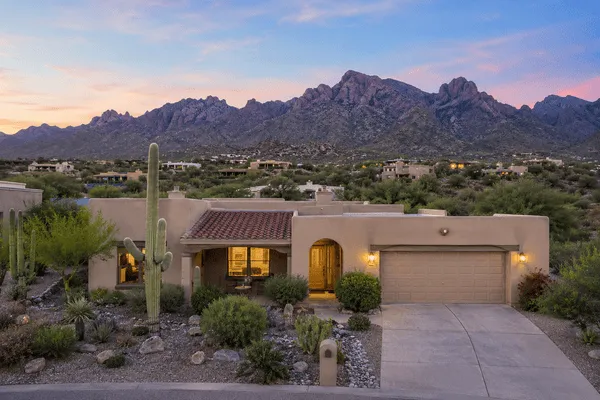
Selling Your Home
Sell your home fast with Ryan Comstock. Benefit from his market expertise, dedicated approach, and strategic marketing.
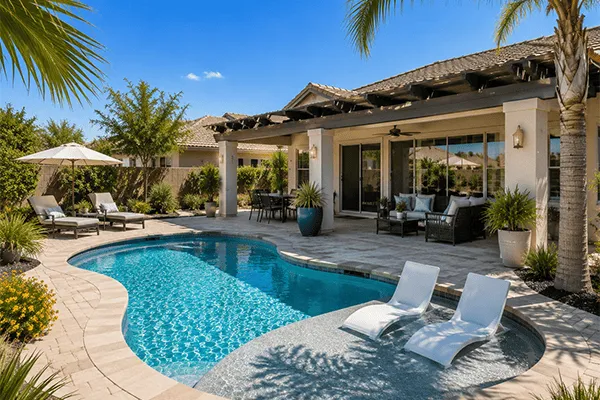
Buying A Home
Find your dream home with Ryan Comstock. Expert guidance, local insights, and personalized service.
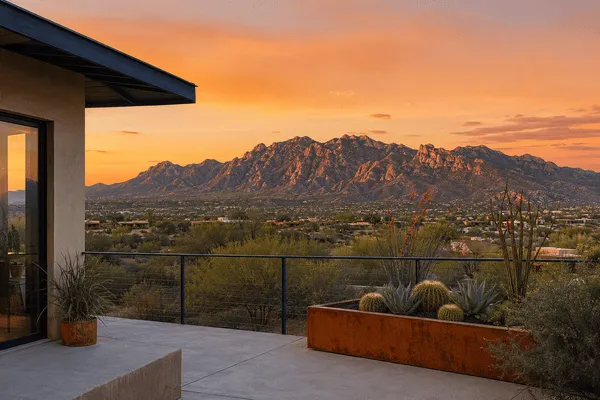
Probate
Sell probate property with Ryan Comstock. Expert probate real estate guidance and local market knowledge you can trust.
Homes with Mountain view
Senior community
Golf Course Homes
Just Listed
Newest Listings
Tucson
Oro Valley
Marana
Sahuarita
Vail
Saddlebrooke
Green Valley
Tanque Verde
Featured Areas
Communities
Market Reports
Stay Ahead with Local Market Insights
Keep up with local real estate through new listings, open houses, recent sales, and market trends — all in one place.
Testimonials
Client Reviews

Let's Talk
Get In Touch
Let's Connect
Blog
Recent Posts

Cost of Living in Tucson, AZ Compared to Other Arizona Cities
The Cost of Living in Tucson Compared to Other Arizona Cities: Where Does Your Money Go Further?
Thinking about moving to Arizona? One of the biggest questions to consider is how much it actually costs to live in different parts of the state.
Arizona offers a variety of lifestyles, from the busy metropolitan atmosphere of Phoenix and Scottsdale to the cooler mountain surroundings of Flagstaff and the relaxed desert lifestyle of Tucson.
However, the cost of living can vary significantly depending on where you decide to settle.
For many people relocating to Southern Arizona, Tucson stands out as an attractive option because of its comparatively affordable housing, diverse neighborhoods, outdoor recreation, and access to everyday conveniences.
But how does Tucson compare to other Arizona cities such as Phoenix, Mesa, Scottsdale, and Prescott?
In this guide, we will compare housing prices, rental costs, everyday expenses, transportation, and lifestyle considerations to help you understand what your money can buy in different Arizona communities.
Whether you are relocating from California, moving from another state, retiring in Arizona, or simply considering a change of scenery, understanding these differences can help you make a more informed decision.
1. Is Tucson More Affordable Than Other Arizona Cities?
In many cases, yes. Tucson is generally more affordable than several of Arizona's larger and more expensive communities, particularly when it comes to housing.
According to 2024 Regional Price Parities from the U.S. Bureau of Economic Analysis, the Tucson metropolitan area's overall price level was 96.9, compared with:
Phoenix metropolitan area: 103.3
Flagstaff: 100.3
Prescott Valley–Prescott: 98.3
Tucson: 96.9
The national average is 100.
This means Tucson's overall price level was approximately 3.1% below the national average, while the Phoenix metropolitan area was approximately 3.3% above it.
Housing plays an important role in this difference.
For people comparing Arizona cities, Tucson may offer an opportunity to purchase a home or rent a property at a lower price than they might find in some other popular destinations.
Source: BEA Regional Price Parities – Arizona Cost of Living Data.
2. Tucson vs. Phoenix: Which City Is More Affordable?
Tucson and Phoenix are two of the most popular places to live in Arizona, but they offer different lifestyles and housing markets.
Phoenix is a larger metropolitan area with extensive employment opportunities, major entertainment venues, professional sports, and a wider range of suburban communities.
Tucson offers a different pace, with a strong connection to the outdoors, a distinct Southwestern atmosphere, and generally lower housing costs.
Housing comparison:
Based on Realtor.com's August 2026 market data:
Housing measure | Tucson | Phoenix |
|---|---|---|
Median listing price | $355,000 | $449,900 |
Median monthly rent | $1,368 | $1,619 |
Listing price per sq. ft. | $224 | $285 |
These figures suggest that Tucson has a meaningful housing-cost advantage over Phoenix.
For someone purchasing a home, the difference in median listing prices is approximately $94,900.
For renters, the reported median monthly rent difference is approximately $251.
Which city should you choose?
Tucson may be a better fit if you prioritize housing affordability, desert scenery, and a more relaxed pace of life.
Phoenix may be worth considering if you want access to a larger metropolitan job market, more major-city amenities, or specific employment opportunities.
Source: Realtor.com Arizona Housing and Rental Market Trends.
3. Tucson vs. Scottsdale: Is Scottsdale Worth the Higher Cost?
Scottsdale is known for upscale communities, luxury homes, golf courses, shopping, restaurants, and resort-style living.
It is also one of the more expensive places to live in Arizona.
Tucson offers a different type of lifestyle. Residents can enjoy mountain views, hiking trails, local restaurants, golf communities, and a variety of residential neighborhoods without necessarily paying Scottsdale-level housing prices.
Housing comparison:
Housing measure | Tucson | Scottsdale |
|---|---|---|
Median listing price | $355,000 | $899,000 |
Median monthly rent | $1,368 | $2,409 |
Listing price per sq. ft. | $224 | $444 |
Based on these figures, Scottsdale's median listing price is more than twice Tucson's.
That difference can have a substantial impact on monthly mortgage payments, down payment requirements, and the amount of home a buyer can afford.
Who might prefer Tucson?
Buyers who want more housing options within a moderate budget may find Tucson appealing.
Who might prefer Scottsdale?
Buyers looking for luxury properties, resort amenities, upscale shopping, and specific Scottsdale neighborhoods may find the additional expense worthwhile.
Neither city is automatically better. The right choice depends on your priorities and budget.
Source: Realtor.com Arizona Housing and Rental Market Trends.
4. Tucson vs. Mesa: Comparing Two Popular Arizona Communities
Mesa is part of the greater Phoenix metropolitan area and offers a mix of established neighborhoods, newer developments, shopping centers, recreational facilities, and retirement communities.
It is popular among families, professionals, and retirees who want suburban living with access to the Phoenix metropolitan area.
Tucson, on the other hand, offers a different combination of affordability, local culture, mountain scenery, and outdoor activities.
Housing comparison:
Housing measure | Tucson | Mesa |
|---|---|---|
Median listing price | $355,000 | $460,000 |
Median monthly rent | $1,368 | $1,515 |
Listing price per sq. ft. | $224 | $267 |
Tucson has a lower median listing price and median rent in this comparison.
The difference in median listing prices is approximately $105,000.
For buyers who want to maximize their purchasing power, Tucson may provide more opportunities to find a home within a lower budget.
Mesa may be a better fit for someone who wants to remain closer to Phoenix-area employment centers and amenities.
Source: Realtor.com Arizona Housing and Rental Market Trends.
5. Tucson vs. Flagstaff: Is Mountain Living More Expensive?
Flagstaff offers a completely different environment from Tucson.
Located in Northern Arizona, Flagstaff is known for its cooler climate, pine forests, mountain scenery, outdoor recreation, and proximity to attractions such as the Grand Canyon.
However, the cost of living is generally higher than in Tucson, particularly when it comes to housing.
The 2026 first-quarter cost-of-living comparison published by the Greater Flagstaff Chamber of Commerce reported:
Cost category | Tucson | Flagstaff |
|---|---|---|
Overall cost index | 100 | 118 |
Housing index | 91.8* | 150 |
Grocery index | 96.2* | 100 |
Utility index | 89.5* | 90 |
The Tucson category figures are from the BEA-based metro comparison reported by USA Cost of Living, while Flagstaff's figures are from its local 2026 first-quarter C2ER comparison. These are different datasets and should not be treated as a direct like-for-like index.
Flagstaff's local cost-of-living report places its overall index at 118, meaning its measured costs were approximately 18% above the national benchmark.
Tucson's BEA-based overall index was 96.9.
What does this mean for someone relocating?
If you prefer warm desert weather, lower housing costs, and access to outdoor activities throughout much of the year, Tucson may be the more practical choice.
If you prefer four distinct seasons, cooler summers, snow, and forest surroundings, Flagstaff may be worth the higher housing expense.
Sources: Greater Flagstaff Chamber of Commerce – Cost of Living Report and Arizona Regional Price Parities.
6. Tucson vs. Prescott: Which Offers Better Value?
Prescott is another popular Arizona destination, especially among retirees and people who enjoy a smaller-city atmosphere.
It offers historic neighborhoods, outdoor recreation, mountain scenery, and a cooler climate than Tucson.
However, Prescott's housing market can be considerably more expensive.
Housing comparison:
Housing measure | Tucson | Prescott |
|---|---|---|
Median listing price | $355,000 | $798,000 |
Median monthly rent | $1,368 | $1,947 |
Listing price per sq. ft. | $224 | $344 |
The difference in median listing prices is approximately $443,000.
For retirees or buyers living on a fixed income, this difference may influence how much home they can comfortably afford.
Tucson may offer a wider range of options for people prioritizing affordability, while Prescott may appeal to those who prefer a cooler climate and mountain-town atmosphere.
Source: Realtor.com Arizona Housing and Rental Market Trends.
7. Comparing the Cost of Living Across Arizona Cities
Here is a quick comparison of the communities discussed in this article.
Arizona city | Median listing price | Median monthly rent |
|---|---|---|
Tucson | $355,000 | $1,368 |
Phoenix | $449,900 | $1,619 |
Mesa | $460,000 | $1,515 |
Scottsdale | $899,000 | $2,409 |
Prescott | $798,000 | $1,947 |
Source: Realtor.com market data through August 2026. Figures represent listing prices and advertised rental prices, not final sale prices or the rent paid by every household.
The numbers illustrate why Tucson continues to attract people who want to relocate to Arizona while keeping housing expenses in mind.
However, housing is only one part of the cost-of-living equation.
Your actual expenses will depend on your household size, income, neighborhood, transportation needs, lifestyle, and whether you rent or own.
8. What About Groceries, Utilities, Transportation, and Other Expenses?
Housing is often the biggest expense when relocating, but everyday costs also deserve attention.
Here are some of the expenses to consider when comparing Tucson with other Arizona cities.
Groceries and Dining
Tucson offers a mix of grocery stores, local markets, restaurants, and affordable dining options.
You will find everything from neighborhood Mexican restaurants and casual dining to upscale restaurants and specialty markets.
While grocery prices can vary between stores and neighborhoods, Tucson's overall price levels are relatively moderate compared with some larger Arizona metropolitan areas.
Utilities and Electricity
Arizona's hot summers make electricity an important part of household budgeting.
Air conditioning can significantly affect monthly utility bills, especially during the hottest months.
When comparing homes, consider:
Age and efficiency of the HVAC system.
Insulation and window quality.
Roof condition and sun exposure.
Ceiling fans and energy-efficient appliances.
Solar panels and their ownership or lease arrangements.
A home with better energy efficiency may offer meaningful long-term savings.
Transportation
Most Tucson residents rely on personal vehicles for everyday transportation.
Your transportation budget should account for:
Gasoline.
Vehicle insurance.
Maintenance.
Registration.
Daily commuting distances.
Phoenix also has a large metropolitan footprint, and commuting between suburban communities and employment centers can add considerable travel time.
Consider your workplace, shopping needs, and preferred activities before choosing a neighborhood.
Property Taxes and Homeownership
Property taxes are another expense worth considering when purchasing a home in Arizona.
Your actual tax bill depends on the property's assessed value, applicable tax rates, and local taxing districts.
Before purchasing, review the property's tax history and estimate your total monthly ownership expenses rather than focusing only on the mortgage payment.
9. Why Are More People Considering Tucson, Arizona?
Tucson offers more than comparatively affordable housing. It also provides a lifestyle that attracts people from across the country.
Here are several reasons people consider making Tucson their home.
1. Beautiful desert scenery
Tucson is surrounded by mountain ranges, desert landscapes, and scenic outdoor spaces. The Catalina Mountains provide a beautiful backdrop to many neighborhoods.
2. Outdoor recreation
Residents have access to hiking, cycling, golf, camping, and other outdoor activities. Saguaro National Park and Mount Lemmon are popular destinations.
3. A variety of neighborhoods
From downtown Tucson to the Catalina Foothills, Oro Valley, Marana, and Vail, buyers can explore different housing styles, price ranges, and community environments.
4. Retirement opportunities
Tucson offers established retirement communities, golf neighborhoods, active adult lifestyles, and access to healthcare facilities.
5. A distinctive Southwestern atmosphere
Tucson has its own character, influenced by its history, architecture, food, arts, and connection to the Sonoran Desert.
For many newcomers, the combination of lifestyle, housing choices, and outdoor recreation makes Tucson worth exploring.
10. What Should You Consider Before Moving to Tucson?
Although Tucson can be more affordable than several other Arizona cities, it is important to evaluate your personal needs before relocating.
Consider these questions:
What is your monthly housing budget?
Are you planning to rent or purchase?
Do you need to be close to an employer?
Would you prefer a suburban neighborhood or a more urban environment?
Do you want mountain views, a larger property, or a low-maintenance home?
Are you comfortable with extremely hot summer temperatures?
Will you need access to retirement communities or specific healthcare services?
It is also helpful to visit Tucson before making a final decision.
Explore different neighborhoods, drive the commute during typical traffic hours, and compare available homes.
A little research before relocating can make a significant difference in finding a community that fits your lifestyle and budget.
Frequently Asked Questions About the Cost of Living in Tucson
1. Is Tucson cheaper than Phoenix?
Generally, yes. Tucson has lower overall regional price levels and lower housing listing prices than Phoenix in the comparisons discussed above. However, individual expenses depend on your lifestyle and location.
2. What is the most affordable major city in Arizona?
Tucson is often among the more affordable larger cities in Arizona, particularly compared with Scottsdale, Phoenix, Mesa, and some other popular metropolitan communities.
Smaller communities such as Sierra Vista may also offer lower living costs.
3. Is $70,000 a good salary to live in Tucson?
A $70,000 annual salary may provide a reasonable starting point for an individual or smaller household in Tucson, depending on housing costs, debt, transportation, family size, and spending habits.
Your budget will look different if you are supporting a family or purchasing a home.
4. Is Tucson a good place to retire?
Tucson can be an attractive retirement destination because of its desert scenery, golf communities, outdoor recreation, retirement neighborhoods, and comparatively moderate housing costs.
However, retirees should also consider healthcare access, insurance, transportation, and summer utility expenses.
5. Is it cheaper to buy a home in Tucson or Scottsdale?
Based on the August 2026 median listing prices used in this comparison, Tucson is considerably less expensive.
Tucson's median listing price was $355,000 compared with $899,000 in Scottsdale.
Actual prices vary by neighborhood, property condition, size, and amenities.
6. Which Tucson neighborhoods are popular with people relocating to Arizona?
Some communities worth exploring include:
Oro Valley: Known for mountain views, planned communities, recreation, and golf.
Catalina Foothills: Popular for scenic properties, established neighborhoods, and mountain views.
Marana: Offers newer developments, suburban communities, and access to shopping and recreation.
Vail: Attractive to buyers looking for suburban living and newer residential communities.
Central Tucson: Offers access to downtown, restaurants, historic neighborhoods, and local amenities.
The best neighborhood depends on your budget, commute, and preferred lifestyle.
7. Are housing prices in Tucson expected to remain affordable?
Housing affordability can change with mortgage rates, inventory, employment conditions, and buyer demand.
Rather than assuming prices will remain the same, buyers should review current market conditions and compare properties based on their individual needs.
Final Thoughts: Is Tucson a More Affordable Place to Live in Arizona?
When comparing Tucson with Phoenix, Mesa, Scottsdale, Flagstaff, and Prescott, one thing becomes clear: where you choose to live can make a substantial difference in your overall expenses.
Tucson offers a compelling combination of comparatively affordable housing, beautiful desert scenery, outdoor recreation, and a variety of neighborhoods.
For people moving from California, the Midwest, or other higher-cost areas, Tucson may provide an opportunity to enjoy Arizona living while keeping housing expenses more manageable.
Of course, the right city is not determined by price alone. Your lifestyle, employment opportunities, retirement plans, and long-term financial goals should all play a role in your decision.
If Tucson is on your relocation list, taking time to explore the local housing market and surrounding communities can help you make a confident decision.
Thinking About Moving to Tucson, Arizona?
Finding the right home is about more than choosing a price range. It is about finding a neighborhood, community, and lifestyle that fit your goals.
Ryan Comstock | Owner / Broker
Comstock Real Estate
With more than 20 years of real estate experience and 900+ homes sold, Ryan Comstock helps buyers and sellers navigate the Tucson real estate market with local knowledge, professional guidance, and a personalized approach.
Whether you are relocating to Tucson, searching for a home in Oro Valley, exploring Marana, or considering a move to Vail, Ryan can help you understand your options.
Contact Ryan Comstock
Phone: 520-261-4669
Website: www.ryancomstock.com
Email: [email protected]
Office: 177 N Church Ave #703, Tucson, AZ 85701
Comstock Real Estate
Experience. Integrity. Results.

Need More Info?
Read Faq's
What should I look for in a Realtor in Tucson, AZ?
When seeking a Realtor in Tucson, AZ, it's essential to consider their local market knowledge, experience in the Tucson area, and client testimonials. A knowledgeable Realtor like Ryan Comstock can guide you through neighborhoods like Oro Valley or the revitalized downtown area while providing insights into local amenities and schools.
How do I find the Best Realtor in Tucson, AZ?
To find the Best Realtor in Tucson, AZ, start by researching online reviews and asking for recommendations from friends or family. Look for real estate agents who specialize in Tucson properties and have a proven track record, such as Ryan Comstock, who understands the unique aspects of the Tucson market, including its diverse home styles and community events.
What is the average home price in Tucson, AZ?
The average home price in Tucson, AZ, can vary based on location and property type. As of now, homes typically range from $250,000 to $450,000. Working with a knowledgeable Real Estate Agent, like Ryan Comstock, can help you identify options that fit your budget while navigating Tucson's vibrant neighborhoods.
Is Tucson a good place to invest in real estate?
Yes, Tucson is a great place to invest in real estate due to its affordable housing market, strong rental demand, and steady job growth. With the influence of the University of Arizona and its cultural attractions, working with an experienced Realtor in Tucson, AZ can help investors capitalize on the city’s growth potential.
What neighborhoods in Tucson should I consider?
Tucson is home to a variety of neighborhoods suitable for different lifestyles. Consider areas like Catalina Foothills for luxury homes, Midtown for convenience, and Downtown Tucson for a vibrant arts scene. A top Real Estate Agent like Ryan Comstock can provide tailored recommendations based on your preferences.
How long does it typically take to sell a home in Tucson, AZ?
The time it takes to sell a home in Tucson varies but generally ranges from 30 to 90 days, depending on market conditions and the property's price. Partnering with a proactive Realtor in Tucson, AZ can significantly streamline the selling process by employing effective marketing strategies.


Disclaimer: All information contained on this website is deemed reliable but not guaranteed. All properties are subject to prior sale, change or withdrawal notice ryancomstock.com believes all information to be correct but assumes no legal responsibility for accuracy.