How Much Is Your Home Worth?

Top Realtor in Tucson, AZ – Buy or Sell Your Dream Home Today
Helping You Buy, Sell & Maximize Your Home’s Value in Tucson, AZ
Exclusive Properties
Featured Listings
Historic El Presidio Inn Lists for $1.3M in Tucson with Ryan Comstock.
A Rare Look Inside One of The Most Historic Homes with Ryan Comstock.
Tucson Real Estate News
Insights
As seen on







Meet Your Realtor®
Ryan Comstock

Ryan Comstock is a Top 1% Realtor in Tucson, AZ, with 20+ years of experience and 900+ homes sold across Southern Arizona. Serving the Tucson area since 2006, Ryan is consistently recognized as one of the best Realtors in Tucson, known for award-winning customer service across residential, luxury, and estate sales. He serves Tucson, Oro Valley, Marana, Sahuarita, Vail, and surrounding communities.
Homes Sold
Years of Experience
5 Star Reviews
Top 1% of Realtors in America
Certified Probate Real Estate Specialist (CPRES)
Why Work With Ryan
Accolades
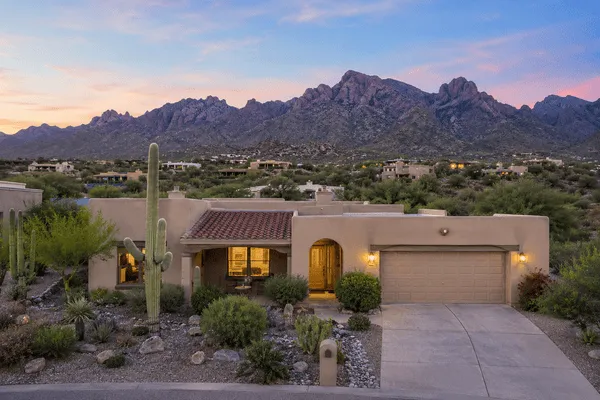
Selling Your Home
Sell your home fast with Ryan Comstock. Benefit from his market expertise, dedicated approach, and strategic marketing.
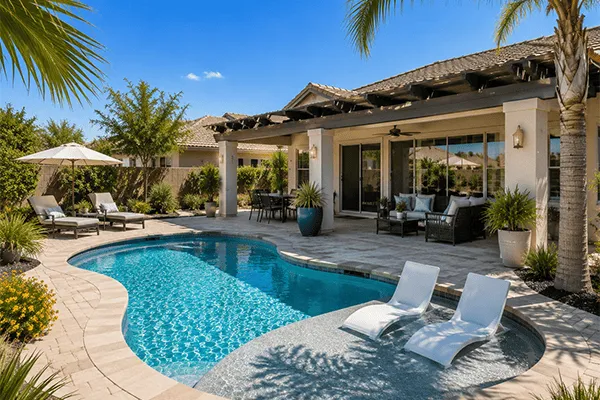
Buying A Home
Find your dream home with Ryan Comstock. Expert guidance, local insights, and personalized service.
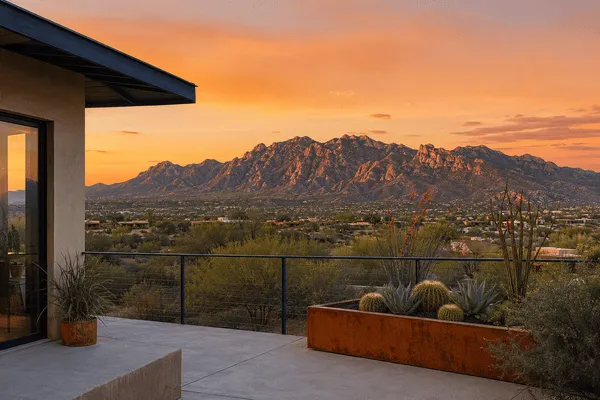
Probate
Sell probate property with Ryan Comstock. Expert probate real estate guidance and local market knowledge you can trust.
Homes with Mountain view
Senior community
Golf Course Homes
Just Listed
Newest Listings
Tucson
Oro Valley
Marana
Sahuarita
Vail
Saddlebrooke
Green Valley
Tanque Verde
Featured Areas
Communities
Market Reports
Stay Ahead with Local Market Insights
Keep up with local real estate through new listings, open houses, recent sales, and market trends — all in one place.
Testimonials
Client Reviews

Let's Talk
Get In Touch
Let's Connect
Blog
Recent Posts

Downsizing in Tucson: Finding the Right Retirement Home
Downsizing can be an important step toward a simpler, more manageable retirement. After years of living in a family home, you may find that you no longer need as much space—or that maintaining a large property takes more time, money, and energy than you would like.
For retirees considering downsizing in Tucson, the goal is not simply to move into a smaller house. It is to find a home that better fits your lifestyle, financial priorities, and plans for the future.
Tucson and the surrounding Southern Arizona communities offer a variety of options, from single-story homes and low-maintenance townhomes to condominiums and active adult communities. Each option comes with different costs, responsibilities, and lifestyle considerations.
Before selling your current home and purchasing another, it helps to understand what you need, what you can comfortably afford, and which type of property will support the retirement you want.
In this guide, Ryan Comstock of Comstock Real Estate explains how to approach downsizing, compare retirement home options, and make a more confident move.
1. Understand Why You Want to Downsize
Before searching for a smaller home, take time to identify what you want to improve about your current living situation.
Your reasons for downsizing can help determine which properties and neighborhoods are worth considering.
Reduce Home Maintenance
A larger home may require regular cleaning, landscaping, repairs, and upkeep. Moving to a smaller property or a community that handles certain exterior maintenance tasks could reduce some of those responsibilities.
However, maintenance arrangements vary. A condominium or HOA-managed property may still require you to handle interior repairs, appliances, insurance, and other expenses.
Lower Your Housing Expenses
Selling a larger home and moving into a less expensive property may free up money for travel, hobbies, healthcare, or other retirement priorities.
But a smaller home is not automatically cheaper. Purchase costs, HOA fees, property taxes, insurance, moving expenses, and repairs can affect the financial outcome.
Find a More Practical Layout
Your current home may have stairs, unused bedrooms, a large yard, or spaces that no longer fit your needs.
A smaller home with a convenient layout, fewer maintenance demands, and easy access to everyday services may be a better fit for your next chapter.
Move Closer to Family and Amenities
Downsizing can also be an opportunity to move closer to family, healthcare providers, shopping, restaurants, or recreational activities.
Think about how you spend a typical week and which locations would make your daily routine easier.
Tip: Write down your three biggest reasons for downsizing. Use them as a guide when comparing homes so you do not get distracted by features that look appealing but do not support your priorities.
2. Decide What You Need in a Retirement Home
The right retirement home should fit your life today while allowing some flexibility as your needs change.
Before touring properties, separate your essential requirements from features that would simply be nice to have.
Features Worth Prioritizing
Single-story living: A layout without interior stairs may be more convenient for everyday use.
Manageable square footage: Choose enough space for comfortable living without paying to maintain rooms you rarely use.
Practical bathrooms: Consider shower access, lighting, and the possibility of future modifications.
Comfortable entryways: Check for steps, narrow passages, or other features that may affect accessibility.
Useful storage: Make sure the home can accommodate the belongings you plan to keep.
Convenient parking: Consider garage space, covered parking, and the distance from your vehicle to the entrance.
Outdoor space: Decide whether you want a patio, small yard, garden, or no private landscaping to maintain.
Location: Consider access to healthcare, grocery stores, pharmacies, family, and activities you enjoy.
You do not need to find a home with every possible feature. Focus on the features that matter most to your comfort, budget, and lifestyle.
3. Compare Retirement Home Options in Tucson
Tucson offers several housing types that may work for retirees who want to downsize. Understanding the differences can help you narrow your search.
Single-Story Homes
A smaller single-story home can provide privacy, a private entrance, and more control over your living space.
This option may suit retirees who want to own a detached property without maintaining a large family home.
Potential advantages:
No interior staircase between floors
Private outdoor space
More control over the property
Flexibility to personalize the home
What to consider: You may still be responsible for the roof, HVAC system, landscaping, exterior maintenance, and other major repairs.
Condominiums
A condominium may offer a smaller living space and shared building or community amenities.
Depending on the association, some exterior maintenance may be covered by HOA fees. However, coverage differs, and owners should understand exactly what the association maintains.
Potential advantages:
Less private outdoor space to manage
Shared amenities in some communities
Potentially convenient locations
A smaller interior to clean and maintain
What to consider: Review HOA fees, reserves, insurance responsibilities, rental rules, special assessments, and any restrictions that could affect your plans.
Townhomes
Townhomes can offer a middle ground between a detached home and a condominium.
Some provide private entrances, garages, patios, and multiple levels. If avoiding stairs is a priority, verify the actual floor plan rather than assuming every townhome is suitable.
Potential advantages:
A balance of private and shared spaces
Smaller outdoor areas in some developments
Garages or dedicated parking
Access to community amenities in certain neighborhoods
What to consider: Confirm maintenance responsibilities, shared-wall arrangements, HOA rules, and the number of stairs inside the property.
Active Adult Communities
Active adult communities may appeal to retirees who want recreational facilities, organized activities, or a neighborhood designed for residents in a similar stage of life.
Examples in the greater Tucson area include SaddleBrooke, SaddleBrooke Ranch, Sun City Oro Valley, and Quail Creek in the Green Valley area.
Potential advantages:
Opportunities for social activities
Recreational facilities in some communities
A variety of home styles
Potential exterior maintenance services, depending on the property and association
What to consider: Verify age and occupancy requirements, association fees, community rules, amenities, and the distance to healthcare and everyday services.
Compare Your Options
Home type | May suit retirees who want | Important consideration |
|---|---|---|
Smaller single-story home | Privacy and control over the property | Ongoing maintenance responsibilities |
Condominium | A smaller home with shared amenities | HOA fees and association rules |
Townhome | A balance of private and shared spaces | Floor plan, stairs, and maintenance obligations |
Active adult community home | Recreation and community activities | Eligibility rules, fees, and location |
The best option depends on your preferences, finances, and willingness to handle maintenance.
4. Explore Tucson-Area Neighborhoods Before Choosing a Home
The location of your retirement home can have as much impact on your lifestyle as the property itself.
When downsizing in Tucson, consider where you want to spend your time, how often you expect to drive, and how close you want to be to family, services, and recreation.
Tucson
Tucson offers a broad selection of established neighborhoods, condominiums, smaller houses, and homes near shopping, restaurants, and cultural attractions.
It may be worth exploring if you want access to city amenities and a range of housing styles.
Oro Valley
Oro Valley offers suburban neighborhoods, parks, recreational opportunities, and mountain scenery.
Retirees comparing homes here should evaluate the specific location, HOA requirements, property costs, and access to their preferred healthcare providers and services.
Marana
Marana has established neighborhoods and newer developments with different home styles and community amenities.
It may appeal to buyers who want to compare suburban properties and low-maintenance options outside central Tucson.
Green Valley
South of Tucson, Green Valley is known for retirement-oriented and active adult living options, including Quail Creek.
If you are considering Green Valley, compare community fees, available amenities, healthcare access, transportation, and travel times to family and frequently visited destinations.
Catalina Foothills
The Catalina Foothills offers scenic surroundings, established residential areas, and a variety of properties.
Buyers should consider the actual home layout, driveway and entry access, yard maintenance, and distance to services rather than choosing based on views alone.
Neighborhood tip: Visit your preferred areas at different times of day. Drive to the places you expect to visit regularly, and consider how the location would work if you eventually wanted to reduce your driving.
5. Calculate the True Cost of Downsizing
One of the biggest mistakes people make when downsizing is focusing only on the difference between the price of their current home and the price of the next one.
The financial result depends on several factors, including the amount you owe on your current property, selling expenses, purchase costs, and the ongoing costs of the new home.
Expenses to Include in Your Plan
Selling your current home
Mortgage payoff, if applicable
Real estate commissions and other transaction expenses
Repairs or preparation costs
Moving and storage expenses
Purchasing your retirement home
Purchase price and financing costs, if applicable
Closing costs and prepaid expenses
Home inspection and any additional evaluations
Immediate repairs or modifications
Furniture or storage solutions for a smaller space
Ongoing ownership
Property taxes
Homeowners insurance
HOA fees
Utilities
Routine maintenance and repairs
Landscaping or other services
A smaller property may reduce certain expenses while increasing others. For example, a condominium could have a smaller utility footprint but higher association fees.
Estimate Your Potential Proceeds
A simple starting point is:
Estimated proceeds from selling = Expected sale price − Mortgage payoff − Selling expenses
Then estimate:
Estimated funds remaining after moving = Estimated sale proceeds − New-home purchase costs − Moving expenses − Planned repairs
These calculations are only estimates. Your actual result will depend on your transaction, financing, and personal circumstances.
Before making a decision, consider speaking with a qualified financial or tax professional about how selling your current home and purchasing another could affect your broader retirement plan.
6. Prepare Your Current Home for Sale
If you need to sell your existing home before purchasing a retirement property, preparation can help make the transition more manageable.
You do not necessarily need to renovate every room. Focus on improvements that address visible issues and help buyers understand the home's condition and features.
Start With Decluttering
Removing excess belongings can make rooms feel more open and help buyers see the property's usable space.
Start with storage areas, spare bedrooms, closets, garages, and rooms that have become catch-all spaces.
Address Necessary Repairs
Consider visible maintenance issues such as dripping faucets, damaged trim, broken fixtures, or doors that do not work properly.
For larger repairs, weigh the likely benefit against the cost. Not every improvement will deliver enough value to justify the expense.
Clean and Simplify
Clean windows, floors, counters, bathrooms, and other frequently noticed areas. Remove unnecessary items from countertops and keep furniture arrangements simple.
Highlight Practical Features
Buyers may appreciate useful features such as a single-story layout, storage, a covered patio, updated HVAC equipment, or a manageable yard.
Make sure any property descriptions accurately reflect the home's features and condition.
Plan Your Selling and Buying Timeline
If you are purchasing another home, coordinate your plans carefully. You may need to decide whether to sell first, buy first, negotiate a suitable closing timeline, or arrange temporary housing.
The right approach depends on your finances, the local market, available properties, and your tolerance for uncertainty.
7. Make Downsizing Easier by Sorting Your Belongings Early
Moving from a larger home to a smaller one often requires deciding which belongings will move with you.
Starting early gives you more time to make thoughtful decisions and reduces the pressure of sorting everything just before moving day.
Use a Simple Sorting System
Divide belongings into four categories:
Keep: Items you use regularly or genuinely want in your next home.
Give to family or friends: Belongings someone else has agreed to receive.
Donate or sell: Items in usable condition that you no longer need.
Discard or recycle: Items that are damaged, unusable, or unsuitable for donation.
Start with areas you rarely use, such as guest rooms, storage closets, and garages. Work gradually through the rest of the home.
Measure Before Moving Furniture
A smaller home may not accommodate all your current furniture.
Measure rooms, doorways, and major pieces before deciding what to move. A simple floor plan can help you determine whether your favorite furniture will fit comfortably.
Keep Important Documents Accessible
Set aside financial records, identification, property documents, insurance information, medical records, and other important paperwork.
Keep essential documents secure and easy to access throughout the move.
If sorting possessions feels overwhelming, ask trusted family members for help or consider a professional organizer who has experience assisting people with downsizing.
8. Look for a Home That Supports Your Future Needs
A retirement home should be practical not only today but also if your needs or preferences change.
You may be active now and comfortable with stairs, a large patio, or a long driveway. Still, considering future convenience can help you avoid another move sooner than expected.
Questions to Ask During a Home Tour
Can I enter the home comfortably?
Are the bedroom and bathroom arrangements practical?
Is there a convenient shower or could one be installed?
Are there stairs that could become inconvenient?
Can I manage the yard and outdoor areas?
Is there enough space for visitors?
Are healthcare and everyday services reasonably accessible?
Would the home be manageable if I wanted to drive less?
Can I afford the property and its upkeep on my retirement budget?
You do not need to predict every future possibility. The goal is to understand the property's strengths and limitations before committing.
If accessibility modifications may be important, consider having a qualified professional assess the property and the feasibility of those changes.
9. Avoid Common Downsizing Mistakes
Downsizing can be a positive transition, but rushing into a purchase may lead to avoidable costs or frustration.
Watch out for these common mistakes.
Choosing a Home That Is Too Small
A smaller home can reduce maintenance, but it still needs to accommodate your everyday activities, hobbies, visitors, and belongings.
Think about how you actually use your space before deciding how much square footage you need.
Ignoring HOA Fees
A property with a lower purchase price may have substantial monthly or annual association fees.
Review the governing documents, current fees, reserve information, maintenance responsibilities, and possible special assessments before buying.
Underestimating Moving Costs
Moving, storage, cleaning, repairs, and replacement furniture can add up.
Build these expenses into your budget rather than assuming the proceeds from selling your current home will cover everything.
Buying Based on Appearance Alone
A beautifully updated home may still have an impractical layout, costly maintenance needs, or an inconvenient location.
Look beyond finishes and décor. Evaluate the property's condition, function, ownership costs, and surroundings.
Overlooking Summer Heat
Tucson summers can be extremely hot. Check the HVAC system, shade, windows, insulation, and likely utility expenses.
If possible, visit the area during warmer months to determine whether the climate and neighborhood fit your lifestyle.
Making Decisions Too Quickly
You do not have to select a retirement home simply because it is smaller than your current property.
Compare several options, ask questions, review the relevant documents, and make sure the move supports the life you want.
10. Work With a Local Realtor Who Understands Your Goals
Downsizing often involves two major decisions: selling a home filled with years of memories and purchasing a property that will support your next stage of life.
A local real estate professional can help you evaluate comparable properties, understand current market conditions, prepare your home for sale, and compare potential retirement homes.
It is also helpful to have a clear plan for coordinating the sale and purchase, especially if you need the proceeds from your existing home to fund the next one.
Ryan Comstock, Owner / Broker of Comstock Real Estate, works with buyers and sellers throughout Tucson and surrounding Southern Arizona communities, including Oro Valley, Marana, Vail, and Sahuarita.
With more than 20 years of experience and over 900 homes sold, Ryan brings local real estate experience to people making important housing decisions.
Whether you are looking for a smaller single-story home, comparing active adult communities, or preparing to sell a longtime family property, start by identifying your priorities and understanding your options.
Frequently Asked Questions About Downsizing in Tucson
Is Tucson a good place to downsize for retirement?
Tucson may suit retirees who want a range of housing options, desert scenery, outdoor recreation, and relatively mild winters. However, summer heat, maintenance needs, healthcare access, transportation, and total housing costs should all factor into your decision.
What type of retirement home is best for downsizing?
The best choice depends on your priorities. A smaller single-story home may offer privacy, a condominium may reduce some exterior maintenance, and an active adult community may provide recreational and social opportunities. Compare costs, rules, layouts, and location before deciding.
Should I sell my current home before buying a retirement home?
Selling first may make your budget clearer and provide funds for your next purchase. Buying first may provide more control over your moving timeline but could require additional financing or the ability to carry two properties. Your best option depends on your finances, timing, and market conditions.
How do I know how much smaller my next home should be?
Consider which rooms you use regularly, how often guests visit, your hobbies, storage needs, and your maintenance preferences. Choose a home that supports your routine rather than focusing only on reducing square footage.
Are active adult communities available near Tucson?
Yes. Options to research include SaddleBrooke, SaddleBrooke Ranch, Sun City Oro Valley, and Quail Creek in the Green Valley area. Check each community's current eligibility requirements, fees, amenities, and rules.
What should I look for in a retirement home?
Consider the floor plan, accessibility, maintenance responsibilities, storage, parking, healthcare access, transportation, and total ownership costs. Features that may make life easier in the future can be worth prioritizing even if you do not need them immediately.
How can I make downsizing less stressful?
Start early, sort belongings gradually, measure furniture before moving, and make a realistic moving budget. Ask trusted people for help when needed, and avoid making major decisions under unnecessary time pressure.
Final Thoughts: Find a Retirement Home That Fits Your Next Chapter
Downsizing in Tucson is an opportunity to choose a home that better matches your retirement lifestyle, financial priorities, and future needs.
The right move is not necessarily the smallest or least expensive property. It is the home that offers the right balance of comfort, convenience, maintenance, location, and long-term affordability.
Take time to compare Tucson-area communities, understand your selling and purchasing costs, and decide which features matter most to you. With a clear plan, downsizing can be a practical step toward a more manageable and rewarding retirement.
Ready to explore retirement homes in Tucson or Southern Arizona?
Contact Ryan Comstock at Comstock Real Estate to discuss your goals, compare local housing options, and plan your next move.
Contact Ryan Comstock | Comstock Real Estate
Ryan Comstock
OWNER / BROKER
COMSTOCK REAL ESTATE
Phone: 520-261-4669
Email:[email protected]
Website:www.ryancomstock.com
Office: 177 N Church Ave #703, Tucson, AZ 85701
Experience. Integrity. Results.

Need More Info?
Read Faq's
What should I look for in a Realtor in Tucson, AZ?
When seeking a Realtor in Tucson, AZ, it's essential to consider their local market knowledge, experience in the Tucson area, and client testimonials. A knowledgeable Realtor like Ryan Comstock can guide you through neighborhoods like Oro Valley or the revitalized downtown area while providing insights into local amenities and schools.
How do I find the Best Realtor in Tucson, AZ?
To find the Best Realtor in Tucson, AZ, start by researching online reviews and asking for recommendations from friends or family. Look for real estate agents who specialize in Tucson properties and have a proven track record, such as Ryan Comstock, who understands the unique aspects of the Tucson market, including its diverse home styles and community events.
What is the average home price in Tucson, AZ?
The average home price in Tucson, AZ, can vary based on location and property type. As of now, homes typically range from $250,000 to $450,000. Working with a knowledgeable Real Estate Agent, like Ryan Comstock, can help you identify options that fit your budget while navigating Tucson's vibrant neighborhoods.
Is Tucson a good place to invest in real estate?
Yes, Tucson is a great place to invest in real estate due to its affordable housing market, strong rental demand, and steady job growth. With the influence of the University of Arizona and its cultural attractions, working with an experienced Realtor in Tucson, AZ can help investors capitalize on the city’s growth potential.
What neighborhoods in Tucson should I consider?
Tucson is home to a variety of neighborhoods suitable for different lifestyles. Consider areas like Catalina Foothills for luxury homes, Midtown for convenience, and Downtown Tucson for a vibrant arts scene. A top Real Estate Agent like Ryan Comstock can provide tailored recommendations based on your preferences.
How long does it typically take to sell a home in Tucson, AZ?
The time it takes to sell a home in Tucson varies but generally ranges from 30 to 90 days, depending on market conditions and the property's price. Partnering with a proactive Realtor in Tucson, AZ can significantly streamline the selling process by employing effective marketing strategies.


Disclaimer: All information contained on this website is deemed reliable but not guaranteed. All properties are subject to prior sale, change or withdrawal notice ryancomstock.com believes all information to be correct but assumes no legal responsibility for accuracy.