How Much Is Your Home Worth?

Top Realtor in Tucson, AZ – Buy or Sell Your Dream Home Today
Helping You Buy, Sell & Maximize Your Home’s Value in Tucson, AZ
Exclusive Properties
Featured Listings
Historic El Presidio Inn Lists for $1.3M in Tucson with Ryan Comstock.
A Rare Look Inside One of The Most Historic Homes with Ryan Comstock.
Tucson Real Estate News
Insights
As seen on







Meet Your Realtor®
Ryan Comstock

Ryan Comstock is a Top 1% Realtor in Tucson, AZ, with 20+ years of experience and 900+ homes sold across Southern Arizona. Serving the Tucson area since 2006, Ryan is consistently recognized as one of the best Realtors in Tucson, known for award-winning customer service across residential, luxury, and estate sales. He serves Tucson, Oro Valley, Marana, Sahuarita, Vail, and surrounding communities.
Homes Sold
Years of Experience
5 Star Reviews
Top 1% of Realtors in America
Certified Probate Real Estate Specialist (CPRES)
Why Work With Ryan
Accolades
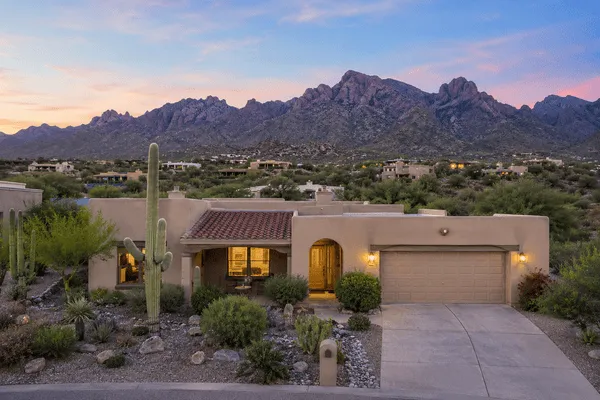
Selling Your Home
Sell your home fast with Ryan Comstock. Benefit from his market expertise, dedicated approach, and strategic marketing.
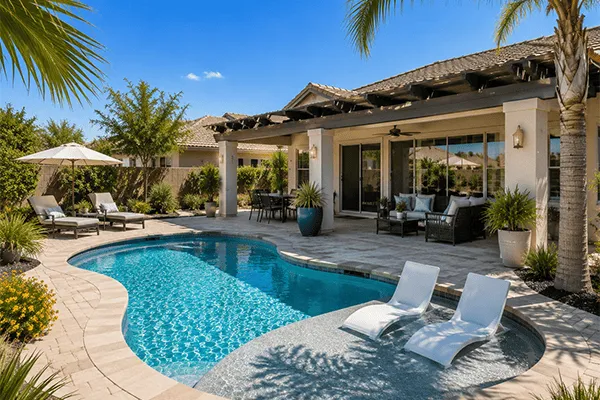
Buying A Home
Find your dream home with Ryan Comstock. Expert guidance, local insights, and personalized service.
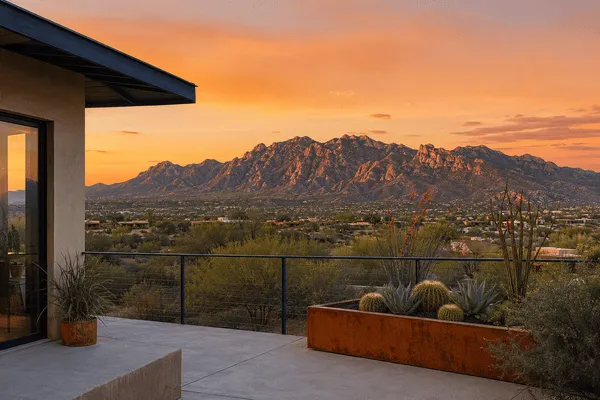
Probate
Sell probate property with Ryan Comstock. Expert probate real estate guidance and local market knowledge you can trust.
Homes with Mountain view
Senior community
Golf Course Homes
Just Listed
Newest Listings
Tucson
Oro Valley
Marana
Sahuarita
Vail
Saddlebrooke
Green Valley
Tanque Verde
Featured Areas
Communities
Market Reports
Stay Ahead with Local Market Insights
Keep up with local real estate through new listings, open houses, recent sales, and market trends — all in one place.
Testimonials
Client Reviews

Let's Talk
Get In Touch
Let's Connect
Blog
Recent Posts

Healthcare Options for Retirees in Southern Arizona | Tucson Guide
Healthcare Options and Services for Retirees in Southern Arizona
Choosing where to retire involves more than finding a comfortable home and enjoying a desirable climate. Access to quality healthcare is another important consideration, especially for people planning to make Southern Arizona their long-term home.
Tucson and the surrounding communities offer a range of healthcare resources, including hospitals, medical specialists, primary care providers, rehabilitation services, and senior-focused care options.
For retirees relocating from another state, understanding the local healthcare landscape can help make the transition easier.
Whether you are planning to retire in Tucson, Oro Valley, Marana, Sahuarita, Vail, or Green Valley, knowing where to find medical services and how close they are to your future home can help you make a more informed decision.
1. Hospitals and Major Medical Centers in Southern Arizona
Tucson is the primary healthcare hub for much of Southern Arizona. The city has several hospitals and medical centers offering emergency care, inpatient services, surgical procedures, and specialized treatment.
Here are some facilities retirees may want to become familiar with.
Banner – University Medical Center Tucson
Banner – University Medical Center Tucson is a major academic medical center associated with the University of Arizona. It offers a wide range of medical services, specialty care, and advanced treatment options.
It may be an important resource for retirees who need access to specialized medical services.
Banner – University Medical Center South
Located in southern Tucson, this facility provides hospital services and medical care for residents in the surrounding communities.
Its location may be convenient for people living in parts of south Tucson and nearby areas.
Tucson Medical Center (TMC)
Tucson Medical Center is a well-known hospital serving Tucson and surrounding communities.
It offers a range of services, including emergency care, surgical services, and specialty medical programs.
Northwest Medical Center
Located in northwest Tucson, Northwest Medical Center provides hospital and emergency services for residents in the surrounding area.
Its location may be convenient for retirees living in northwest Tucson, Marana, and nearby communities.
Carondelet St. Joseph's Hospital
St. Joseph's Hospital is located in Tucson and provides hospital services, emergency care, and specialty medical services.
When evaluating a retirement location, consider which hospitals are most convenient for your healthcare needs.
Hospital locations and services can change, so check directly with each facility for current departments, accepted insurance plans, and available services.
2. Primary Care Physicians and Preventive Healthcare
Having a reliable primary care provider is an important part of maintaining your health during retirement.
Primary care physicians help coordinate everyday medical needs, monitor ongoing health concerns, and provide preventive services.
These may include:
Annual wellness visits
Routine physical examinations
Blood pressure monitoring
Cholesterol and diabetes screening
Vaccinations
Medication reviews
Referrals to specialists
Retirees moving to Southern Arizona should begin researching primary care providers before their relocation whenever possible.
Ask whether the practice is accepting new patients, which insurance plans it accepts, and how appointments are scheduled.
If you are moving from another state, request copies of your medical records and prescription information before leaving your current provider.
3. Access to Specialists and Advanced Medical Care
As people get older, they may need access to more specialized medical services.
Southern Arizona has healthcare providers offering different types of specialty care.
Depending on your needs, you may want to research access to:
Cardiology: Medical care related to heart health and cardiovascular conditions.
Orthopedics: Treatment for joint problems, injuries, arthritis, and mobility concerns.
Ophthalmology: Eye examinations, cataract care, and other medical eye services.
Dermatology: Skin examinations and treatment of skin conditions.
Neurology: Evaluation and treatment of conditions involving the brain, nerves, and nervous system.
Urology: Care related to the urinary system and certain reproductive health concerns.
Oncology: Cancer diagnosis and treatment services.
Not every specialist is available in every community. Some retirees may need to travel into Tucson for certain appointments or treatments.
Before choosing a home, consider how often you expect to need specialty care and how far you are comfortable traveling.
4. Medicare and Insurance Options for Retirees in Arizona
Healthcare insurance is another important part of retirement planning.
Many retirees qualify for Medicare when they reach age 65, although eligibility can vary.
Understanding your available coverage options before relocating can help prevent interruptions in care.
Common Medicare coverage options include:
Original Medicare
Original Medicare includes Part A, which generally covers hospital insurance, and Part B, which generally covers medical insurance.
Some people choose additional coverage to help with expenses that Original Medicare does not cover.
Medicare Advantage
Medicare Advantage plans are offered by private insurance companies approved by Medicare.
These plans provide Medicare-covered benefits and may include additional benefits, depending on the plan.
Provider networks and service areas are important considerations.
Medicare Supplement Insurance
Also called Medigap, these policies can help cover certain out-of-pocket costs associated with Original Medicare.
Prescription Drug Coverage
Medicare Part D helps cover prescription medications through approved plans.
Before moving to Southern Arizona, check whether your current insurance plan covers providers in your new area. You may need to compare available plans and enrollment options after establishing residency.
For personalized coverage questions, consult Medicare.gov, a licensed insurance professional, or your current plan provider.
5. Senior Healthcare and In-Home Care Services
Not every retiree needs the same level of medical support.
Some people remain independent and only need routine appointments. Others may eventually benefit from additional assistance at home.
Southern Arizona has providers offering different types of senior care and support services.
These may include:
Home health services
Physical and occupational therapy
Rehabilitation services
Skilled nursing care
Personal care assistance
Medication management
Hospice and palliative care
It is important to understand the difference between medical home health services and nonmedical in-home assistance.
Home health services generally involve medical care provided by qualified healthcare professionals. Personal care services may help with everyday activities such as bathing, dressing, meal preparation, and mobility.
Availability, eligibility, and insurance coverage vary by provider and service.
If you expect to need ongoing assistance, research providers and costs before choosing your retirement community.
6. Assisted Living and Senior Living Options in Southern Arizona
Some retirees eventually decide that a traditional single-family home is no longer the most practical housing option.
Southern Arizona offers several types of senior living arrangements.
Independent Living
Independent living communities are designed for older adults who can manage their daily activities but want a more convenient lifestyle with social opportunities and fewer home maintenance responsibilities.
Assisted Living
Assisted living communities provide support with everyday activities, which may include bathing, dressing, meals, and medication assistance.
Memory Care
Memory care communities provide specialized support for individuals living with Alzheimer's disease or other forms of dementia.
Skilled Nursing Facilities
Skilled nursing facilities provide a higher level of medical and rehabilitative care for people who need ongoing professional assistance.
These options have different costs, services, licensing requirements, and admission criteria.
Families should visit facilities, review services, ask about staffing, and understand the financial arrangements before making a decision.
7. Healthcare Access in Tucson-Area Retirement Communities
Where you live can influence how convenient it is to access medical services.
Tucson is the region's primary healthcare center, but nearby communities offer different advantages depending on your location.
Tucson
Tucson provides access to major hospitals, medical offices, specialists, pharmacies, and healthcare networks. Buyers who want to remain close to a wide range of medical services may prefer neighborhoods within convenient driving distance of major medical centers.
Oro Valley
Oro Valley offers local medical offices and healthcare services, with access to major Tucson hospitals and specialists when needed.
Marana
Marana has medical providers and healthcare services in the community, while residents can also travel into Tucson for additional specialty care.
Sahuarita
Sahuarita offers local medical services and access to additional healthcare providers in nearby Green Valley and Tucson.
Vail
Vail has local healthcare options, but some specialty services may require travel into Tucson. Buyers should consider driving distances and transportation needs.
Green Valley
Green Valley is a popular retirement destination south of Tucson. It offers local medical services, clinics, and access to additional hospital and specialty care in the greater Tucson area.
When comparing these communities, remember that the closest hospital is not necessarily the provider you will use for every medical need.
Consider the location of your preferred doctors, specialists, pharmacies, and emergency services.
8. Transportation and Getting to Medical Appointments
Healthcare access involves more than the number of hospitals nearby. Transportation is also important.
Some retirees continue driving independently, while others may eventually need help getting to appointments.
Before purchasing a home, consider:
Driving distance to your primary care provider
Access to nearby pharmacies
Availability of public transportation
Local senior transportation programs
Rideshare availability
Family members who can assist with appointments
Distance to emergency medical services
A home that is convenient today should also be practical as your transportation needs change.
If you are considering a community outside central Tucson, test the drive to important medical facilities during normal traffic conditions.
9. Questions to Ask Before Choosing a Retirement Home
Healthcare should be part of your home-buying checklist.
Before making a purchase, ask yourself:
Is my preferred hospital within a reasonable driving distance?
Are there primary care physicians accepting new patients nearby?
Can I easily access the specialists I currently use?
Does my health insurance cover local providers?
Are pharmacies and medical services convenient?
What transportation options are available if I stop driving?
Are there rehabilitation or in-home care providers nearby?
Would the home still work if my mobility or healthcare needs change?
These questions can help you compare neighborhoods based on everyday convenience rather than appearance alone.
10. Planning Ahead for Healthcare Needs During Retirement
Retirement planning is easier when you consider both your current needs and possible future changes.
You may be completely independent today, but choosing a home with practical features can provide greater flexibility over time.
Consider properties with:
Single-level floor plans
Minimal steps at entrances
Accessible bathrooms
Wider hallways and doorways
Low-maintenance landscaping
Convenient parking
Nearby shopping and medical services
You may also want to explore communities with recreational amenities, social activities, and convenient access to everyday services.
The goal is to choose a location that supports your independence while keeping important resources within reach.
Frequently Asked Questions About Healthcare for Retirees in Southern Arizona
1. Does Tucson have good healthcare options for retirees?
Tucson has several major hospitals, medical centers, primary care providers, and specialty practices. The city serves as an important healthcare hub for Southern Arizona.
2. What are the major hospitals in Tucson, Arizona?
Major facilities include Banner – University Medical Center Tucson, Banner – University Medical Center South, Tucson Medical Center, Northwest Medical Center, and Carondelet St. Joseph's Hospital.
3. Is healthcare available in Oro Valley and Marana?
Yes. Both communities have local medical providers and healthcare services. Residents can also travel into Tucson for additional specialty care and hospital services.
4. Can retirees use Medicare after moving to Arizona?
Generally, people who qualify for Medicare can continue receiving Medicare coverage after relocating. However, Medicare Advantage and prescription drug plan availability may depend on the new residential location. Review your coverage and enrollment options before moving.
5. Are there assisted living communities in Southern Arizona?
Yes. Tucson, Oro Valley, Green Valley, and other surrounding communities have senior living options, including independent living, assisted living, memory care, and skilled nursing facilities.
6. Should I choose a home close to a hospital when retiring?
Living within a reasonable distance of healthcare services can be convenient, especially if you have regular appointments or ongoing medical needs. You should also consider access to your preferred doctors, specialists, pharmacies, and transportation.
7. Is Green Valley a good option for retirees who need healthcare services?
Green Valley offers local medical services and access to additional healthcare resources in Southern Arizona. Retirees should confirm that their preferred specialists and hospitals are accessible from the specific neighborhood they are considering.
Find a Retirement Home Near the Services That Matter Most
Southern Arizona offers retirees a combination of healthcare resources, residential communities, outdoor recreation, and different lifestyle options.
Tucson provides access to major medical centers and specialty services, while communities such as Oro Valley, Marana, Sahuarita, Vail, and Green Valley offer additional choices for retirement living.
When searching for a retirement home, consider more than the floor plan, price, or mountain views. Think about how convenient it will be to access healthcare, shopping, transportation, and everyday services.
With more than 20 years of real estate experience and over 900 homes sold, Ryan Comstock helps buyers explore Tucson-area neighborhoods and find properties that align with their lifestyle and long-term plans.
Whether you are relocating to Southern Arizona, downsizing, or searching for a retirement-friendly home, having knowledgeable local guidance can help you make a confident decision.
Ready to explore retirement living in Southern Arizona?
Contact Ryan Comstock to discuss your home search.
Ryan Comstock | Owner / Broker
Comstock Real Estate
Phone: 520-261-4669
Website: www.ryancomstock.com
Email: [email protected]
Office: 177 N Church Ave #703, Tucson, AZ 85701
Comstock Real Estate
Experience. Integrity. Results.

Need More Info?
Read Faq's
What should I look for in a Realtor in Tucson, AZ?
When seeking a Realtor in Tucson, AZ, it's essential to consider their local market knowledge, experience in the Tucson area, and client testimonials. A knowledgeable Realtor like Ryan Comstock can guide you through neighborhoods like Oro Valley or the revitalized downtown area while providing insights into local amenities and schools.
How do I find the Best Realtor in Tucson, AZ?
To find the Best Realtor in Tucson, AZ, start by researching online reviews and asking for recommendations from friends or family. Look for real estate agents who specialize in Tucson properties and have a proven track record, such as Ryan Comstock, who understands the unique aspects of the Tucson market, including its diverse home styles and community events.
What is the average home price in Tucson, AZ?
The average home price in Tucson, AZ, can vary based on location and property type. As of now, homes typically range from $250,000 to $450,000. Working with a knowledgeable Real Estate Agent, like Ryan Comstock, can help you identify options that fit your budget while navigating Tucson's vibrant neighborhoods.
Is Tucson a good place to invest in real estate?
Yes, Tucson is a great place to invest in real estate due to its affordable housing market, strong rental demand, and steady job growth. With the influence of the University of Arizona and its cultural attractions, working with an experienced Realtor in Tucson, AZ can help investors capitalize on the city’s growth potential.
What neighborhoods in Tucson should I consider?
Tucson is home to a variety of neighborhoods suitable for different lifestyles. Consider areas like Catalina Foothills for luxury homes, Midtown for convenience, and Downtown Tucson for a vibrant arts scene. A top Real Estate Agent like Ryan Comstock can provide tailored recommendations based on your preferences.
How long does it typically take to sell a home in Tucson, AZ?
The time it takes to sell a home in Tucson varies but generally ranges from 30 to 90 days, depending on market conditions and the property's price. Partnering with a proactive Realtor in Tucson, AZ can significantly streamline the selling process by employing effective marketing strategies.


Disclaimer: All information contained on this website is deemed reliable but not guaranteed. All properties are subject to prior sale, change or withdrawal notice ryancomstock.com believes all information to be correct but assumes no legal responsibility for accuracy.