How Much Is Your Home Worth?

Top Realtor in Tucson, AZ – Buy or Sell Your Dream Home Today
Helping You Buy, Sell & Maximize Your Home’s Value in Tucson, AZ
Exclusive Properties
Featured Listings
Historic El Presidio Inn Lists for $1.3M in Tucson with Ryan Comstock at eXp Realty Tucson Arizona.
A Rare Look Inside One of The Most Historic Homes with Ryan Comstock at eXp Realty Tucson Arizona.
Tucson Real Estate News
Insights
As seen on







Meet Your Realtor®
Ryan Comstock

Ryan Comstock is a Top 1% Realtor in Tucson, AZ, with 20+ years of experience and 900+ homes sold across Southern Arizona. Serving the Tucson area since 2006, Ryan is consistently recognized as one of the best Realtors in Tucson, known for award-winning customer service across residential, luxury, and estate sales. He serves Tucson, Oro Valley, Marana, Sahuarita, Vail, and surrounding communities with eXp Realty.
Homes Sold
Years of Experience
5 Star Reviews
Top 1% of Realtors in America
Certified Probate Real Estate Specialist (CPRES)
2X eXp ICON Agent
Why Work With Ryan
Accolades
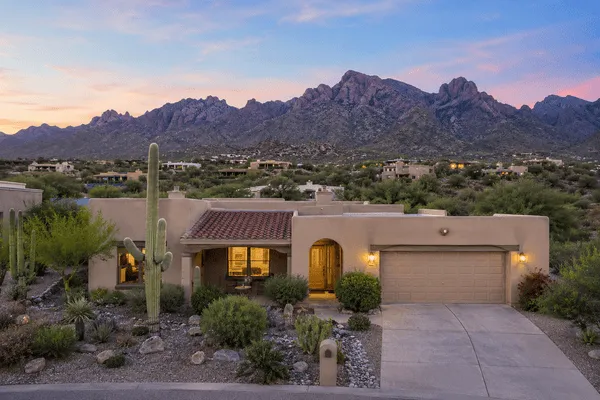
Selling Your Home
Sell your home fast with Ryan Comstock. Benefit from his market expertise, dedicated approach, and strategic marketing.
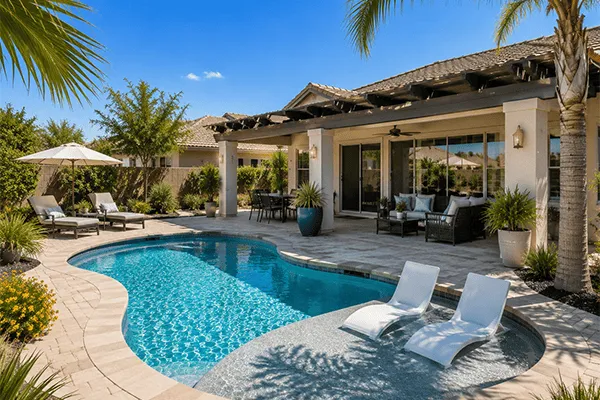
Buying A Home
Find your dream home with Ryan Comstock. Expert guidance, local insights, and personalized service.
Probate
Sell probate property with Ryan Comstock. Expert probate real estate guidance and local market knowledge you can trust.
Homes with Mountain view
Senior community
Golf Course Homes
Just Listed
Newest Listings
Tucson
Oro Valley
Marana
Sahuarita
Vail
Saddlebrooke
Green Valley
Tanque Verde
Featured Areas
Communities
Market Reports
Stay Ahead with Local Market Insights
Keep up with local real estate through new listings, open houses, recent sales, and market trends — all in one place.
Testimonials
Client Reviews
Let's Talk
Get In Touch
Let's Connect
Blog
Recent Posts

How Long Does It Take to Close on a Probate Home in Tucson?
How Long Does It Take to Close on a Probate Home?
How long does it take to close on a probate home in Tucson? It is one of the first questions many heirs, personal representatives, and buyers ask when an inherited property is being sold.
The short answer is: there is no single timeline for every probate home.
A straightforward probate property sale may move through the real estate closing process on a fairly normal schedule once the property is properly authorized for sale and a buyer is under contract. However, the overall timeline can become longer when the estate has unresolved legal issues, creditor claims, title problems, disagreements among heirs, court requirements, or property-related complications.
One important distinction is that closing the sale of the house and closing the probate estate are two different events. A home can sometimes be sold while the estate remains open.
For Tucson families, working with an experienced probate REALTOR® can help identify potential delays early, coordinate the real estate side of the transaction, and keep the sale moving while the personal representative and probate attorney handle the legal requirements.
How Long Does a Probate Home Sale Usually Take?
Once a probate home is properly authorized for sale and an accepted purchase contract is in place, the real estate closing itself may follow a timeline similar to other residential transactions.
However, probate adds another layer of complexity.
A practical way to think about the process is:
The personal representative is appointed and has authority to act.
The estate's attorney and personal representative determine whether the property can be sold and what requirements apply.
The property is evaluated and prepared for the market.
The home is listed for sale.
A buyer submits an offer.
The personal representative accepts the offer, subject to the applicable authority and estate requirements.
The buyer completes inspections, financing, appraisal, and other due diligence.
Title and escrow work through the estate-related documentation.
Any required court process or approval is completed.
Documents are signed and the transaction closes.
Sale proceeds are distributed according to the estate's instructions and applicable law.
The actual time can vary considerably depending on which of these steps are required.
Probate Does Not Always Mean the Home Must Wait Until the Estate Is Closed
This is an important point for families selling an inherited home.
In Arizona, a personal representative generally has significant authority over estate property. Arizona law provides that, unless restricted by the will or a formal court order, a personal representative may sell real property of the estate.
Arizona law also states that a personal representative generally has the same power over estate property that an absolute owner would have, held in trust for creditors and other interested parties.
That means the sale of the house does not necessarily have to wait until every other aspect of probate has been completed.
The exact situation matters, however.
For example, supervised administration can require court confirmation of real-property sales.
That's why the personal representative should work closely with the probate attorney before putting the property under contract.
The Difference Between the Real Estate Closing and Probate Closing
There are really two timelines to consider.
Timeline #1: Closing the Home Sale
This is the real estate transaction between the estate and the buyer.
It includes:
Listing the property
Marketing
Showings
Receiving offers
Negotiation
Inspection
Appraisal
Financing
Title work
Escrow
Final documents
Closing
Timeline #2: Closing the Probate Estate
This is the legal administration of the estate.
It can involve:
Identifying heirs and beneficiaries
Notifying interested parties
Identifying estate assets
Addressing creditor claims
Paying estate expenses
Resolving disputes
Selling property
Accounting
Distributing assets
Filing the appropriate closing documents
These processes can overlap.
In Arizona, an estate administered through ordinary informal procedures generally cannot be closed by a personal representative's closing statement until at least four months after the original appointment of the general personal representative, assuming the statutory requirements for closing have been satisfied.
So selling the house does not necessarily mean the probate case is finished.
What Can Make a Probate Home Take Longer to Close?
Several issues can add time to the transaction.
1. The Personal Representative Has Not Yet Been Appointed
Before the estate can properly be administered, someone generally needs the legal authority to act as personal representative.
If the family has not yet completed the appointment process, the real estate sale may need to wait for the appropriate authority.
This is one reason it can be helpful to involve a probate attorney early.
2. The Estate Is Under Supervised Administration
Supervised administration can create additional court requirements.
Arizona law specifically provides that sales of real property in supervised administration are subject to court confirmation.
That can make the transaction different from a typical residential sale.
3. The Will or Court Order Restricts the Sale
A personal representative's authority can be affected by the will or by court orders.
The real estate professional should not assume that every probate property can be sold under identical procedures.
The probate attorney should determine the applicable authority and requirements.
4. Family Members Disagree
Disagreements can create substantial delays.
Examples include:
One heir wants to sell while another wants to keep the home.
Family members disagree about the listing price.
Someone wants extensive repairs.
Someone objects to an offer.
Heirs disagree about personal belongings.
Beneficiaries question the actions of the personal representative.
Arizona law requires a personal representative to act as a fiduciary and to administer the estate in accordance with the law and the best interests of the estate and its successors.
A REALTOR® can help with the real estate decisions, but a probate attorney should handle legal disputes and questions about fiduciary duties.
5. Title Problems
Title issues can delay closing even when everyone agrees on the sale.
Potential problems can include:
Liens
Unresolved ownership issues
Incorrect names on documents
Missing probate documents
Previous deeds that create questions
Unreleased liens
Other claims against the property
The title and escrow professionals can identify issues that need to be resolved before the buyer can receive clear title.
6. The Home Needs Significant Repairs
A probate property may have been vacant for months or years.
Common issues can include:
Roof problems
HVAC problems
Plumbing leaks
Electrical concerns
Landscaping issues
Pool problems
Deferred maintenance
Excessive belongings
Water damage
The personal representative has to balance the cost of repairs against the potential benefit to the estate.
This is where an experienced probate REALTOR® can provide useful market-based guidance.
7. The Buyer Has Financing Problems
Even after the estate accepts an offer, the buyer's financing can affect the closing date.
Potential delays include:
Appraisal issues
Loan underwriting
Employment or income documentation
Additional lender requirements
Delayed loan approval
Buyer financing falling through
A cash buyer may have fewer financing-related steps, although title, inspection, estate, and other requirements still need to be completed.
What Happens During the Final Weeks Before Closing?
Once the property is under contract, several parties may be working simultaneously.
The Buyer
The buyer may complete:
Home inspection
Additional inspections
Appraisal
Loan approval
Insurance arrangements
Final walkthrough
The Personal Representative
The personal representative may need to:
Provide estate documents
Sign disclosures and transaction documents
Coordinate with the probate attorney
Address title or estate questions
Approve necessary property-related decisions
The Probate Attorney
The attorney advises the personal representative regarding the legal administration of the estate and whether additional probate action is required.
The REALTOR®
The REALTOR® manages the real estate side of the transaction, including:
Communication with the buyer's agent
Negotiations
Inspection negotiations
Repair discussions
Pricing strategy
Transaction coordination
Keeping the parties informed
Title and Escrow
The title and escrow professionals coordinate the closing process, documentation, funds, and recording requirements.
Because so many parties are involved, communication can make a significant difference.
How Can You Speed Up the Closing of a Probate Home?
There is no way to guarantee a specific closing date, but good preparation can reduce avoidable delays.
Get the Probate Documents Organized
Make sure the personal representative and attorney have the relevant documents available.
These may include:
Letters of appointment
Death certificate
Will
Estate documents
Existing deed information
Mortgage information
Property tax information
HOA information
Your attorney and title company can identify exactly what is needed for the transaction.
Get the Home Evaluated Early
Before listing, identify major property issues.
A pre-listing evaluation can help determine whether the estate should:
Make repairs
Clean and declutter
Sell as-is
Complete targeted improvements
Address safety concerns
Establish a Clear Pricing Strategy
Overpricing can create unnecessary delays.
If the property sits on the market for an extended period, the estate may continue paying expenses such as:
Property taxes
Insurance
Utilities
HOA dues
Landscaping
Pool maintenance
Repairs
A well-supported pricing strategy can help attract qualified buyers while protecting the estate's interests.
Choose a REALTOR® Who Understands Probate
Probate transactions have different considerations from ordinary home sales.
An experienced probate REALTOR® understands that the transaction may involve:
A personal representative rather than an individual homeowner
Multiple beneficiaries
An attorney
Title and escrow professionals
Estate-related documentation
Special communication requirements
Property condition issues
Emotional family dynamics
That experience can help prevent small issues from becoming larger delays.
What If the Probate Home Is in Tucson but the Executor Lives Somewhere Else?
This is common.
The personal representative may live in:
California
Texas
Colorado
Washington
Nevada
Another state
Another country
Being out of state doesn't necessarily prevent the home from being sold.
However, remote estate administration makes communication and local property management especially important.
A Tucson probate REALTOR® can help coordinate local needs such as:
Property access
Cleaning
Repairs
Landscaping
Inspections
Showings
Buyer visits
Contractor access
Property monitoring
Closing coordination
The personal representative and probate attorney can determine which documents must be signed and how they should be executed.
How Ryan Comstock Helps Tucson Families Sell Probate Homes
Selling an inherited home is different from selling a typical owner-occupied property.
Ryan Comstock is a Tucson REALTOR® and Certified Probate Real Estate Specialist with more than 20 years of real estate experience and over 900 homes sold.
His experience with probate real estate helps him understand the unique challenges that can arise when an estate needs to sell a Tucson-area property.
Ryan can assist with:
Evaluating the property's current condition
Determining a realistic market value
Identifying repairs that may be worthwhile
Coordinating preparation and cleaning
Developing a pricing strategy
Marketing the property
Managing showings
Communicating buyer feedback
Reviewing offers
Negotiating inspection issues
Coordinating with title and escrow
Keeping the personal representative informed throughout the transaction
Ryan serves Tucson, Oro Valley, Marana, Vail, Sahuarita, and surrounding Southern Arizona communities.
For families dealing with an inherited property, having a REALTOR® who understands both the local market and the practical realities of probate can make the process easier to manage.
A Simple Probate Home Closing Timeline
Here is a simplified example of how a Tucson probate property sale might progress:
Stage | What Happens |
|---|---|
Probate preparation | Personal representative and attorney establish authority and requirements |
Property evaluation | REALTOR® evaluates value, condition, repairs, and marketability |
Preparation | Cleaning, repairs, landscaping, staging, or as-is preparation |
Listing | Property goes on the market |
Offer | Buyer submits an offer |
Contract | Personal representative accepts under applicable authority |
Due diligence | Inspection, appraisal, financing, title work |
Probate requirements | Any required legal or court steps are completed |
Final closing | Documents are signed and funds are disbursed |
After closing | Estate continues as necessary until properly administered and closed |
The key takeaway is that the home-sale timeline and probate timeline can overlap but are not necessarily identical.
Questions to Ask Before Listing a Probate Home
Before putting an inherited home on the market, the personal representative should ask:
Has the personal representative been formally appointed?
Do the letters of appointment establish the authority needed for the sale?
Does the will contain any restrictions?
Is the estate supervised?
Is court confirmation required?
Are there known liens or title issues?
Are there unresolved creditor claims?
Does the property have a mortgage or HOA?
What repairs are actually worthwhile?
Should the home be sold as-is?
What is the property's realistic market value?
Who is responsible for communicating with the REALTOR®?
Who has authority to accept an offer?
Are all necessary beneficiaries or interested parties informed?
What documents will the title company need?
These questions can help identify potential obstacles before they affect the closing date.
Frequently Asked Questions
How long does it take to close on a probate home in Arizona?
There is no universal timeline. Once the personal representative has authority to sell and a buyer is under contract, the real estate transaction may proceed on a schedule similar to other residential transactions. Probate-specific legal, title, court, or estate issues can extend the process.
Can a probate home be sold before probate is finished?
In many Arizona estates, yes. Arizona law gives a personal representative broad authority to sell estate real property unless that authority is restricted by the will, a court order, or the type of administration involved. Supervised administration is different because real-property sales are subject to court confirmation.
Does selling the house close the probate case?
No. Selling the house and closing the probate estate are separate matters. Other estate assets, creditor claims, expenses, distributions, and required filings may still need to be completed.
Can an out-of-state executor sell a Tucson probate home?
An out-of-state personal representative may be able to oversee the sale, but the specific legal requirements depend on the estate and Arizona probate process. A local REALTOR® can assist with the property while the probate attorney advises the personal representative on legal responsibilities.
What is the biggest cause of delay when selling a probate home?
There isn't one universal cause. Common sources of delay include unresolved probate issues, court requirements, title problems, family disagreements, property repairs, difficult-to-coordinate beneficiaries, buyer financing, and incomplete documentation.
Do I need a probate attorney to sell an inherited home?
A REALTOR® can handle the real estate transaction, but a REALTOR® is not a substitute for a probate attorney. Legal questions about authority, heirs, creditor claims, court requirements, fiduciary duties, and estate distributions should be addressed with an attorney who handles Arizona probate matters.
The Bottom Line: Start Early
If you're wondering how long it takes to close on a probate home, the best answer is that the timeline depends on both the real estate transaction and the circumstances of the estate.
A straightforward property sale can move efficiently once the necessary authority and documentation are in place. But title problems, family disagreements, court requirements, property condition, financing, and other estate issues can add time.
The best way to avoid unnecessary delays is to start preparing early.
If you're the personal representative of an estate in Tucson, Oro Valley, Marana, Vail, or another Southern Arizona community, Ryan Comstock can help you understand the real estate side of the process and develop a practical plan for selling the property.
Contact Ryan Comstock
Ryan Comstock, REALTOR®
Certified Probate Real Estate Specialist
eXp Realty
Phone: (520) 261-4669
Office: 177 N. Church Ave. #805, Tucson, AZ 85701
Website: www.yancomstock.com
Need to sell a probate home in Tucson? Contact Ryan Comstock to discuss the property, the expected timeline, and the best strategy for moving the sale forward.

Need More Info?
Read Faq's
What should I look for in a Realtor in Tucson, AZ?
When seeking a Realtor in Tucson, AZ, it's essential to consider their local market knowledge, experience in the Tucson area, and client testimonials. A knowledgeable Realtor like Ryan Comstock can guide you through neighborhoods like Oro Valley or the revitalized downtown area while providing insights into local amenities and schools.
How do I find the Best Realtor in Tucson, AZ?
To find the Best Realtor in Tucson, AZ, start by researching online reviews and asking for recommendations from friends or family. Look for real estate agents who specialize in Tucson properties and have a proven track record, such as Ryan Comstock, who understands the unique aspects of the Tucson market, including its diverse home styles and community events.
What is the average home price in Tucson, AZ?
The average home price in Tucson, AZ, can vary based on location and property type. As of now, homes typically range from $250,000 to $450,000. Working with a knowledgeable Real Estate Agent, like Ryan Comstock, can help you identify options that fit your budget while navigating Tucson's vibrant neighborhoods.
Is Tucson a good place to invest in real estate?
Yes, Tucson is a great place to invest in real estate due to its affordable housing market, strong rental demand, and steady job growth. With the influence of the University of Arizona and its cultural attractions, working with an experienced Realtor in Tucson, AZ can help investors capitalize on the city’s growth potential.
What neighborhoods in Tucson should I consider?
Tucson is home to a variety of neighborhoods suitable for different lifestyles. Consider areas like Catalina Foothills for luxury homes, Midtown for convenience, and Downtown Tucson for a vibrant arts scene. A top Real Estate Agent like Ryan Comstock can provide tailored recommendations based on your preferences.
How long does it typically take to sell a home in Tucson, AZ?
The time it takes to sell a home in Tucson varies but generally ranges from 30 to 90 days, depending on market conditions and the property's price. Partnering with a proactive Realtor in Tucson, AZ can significantly streamline the selling process by employing effective marketing strategies.


Disclaimer: All information contained on this website is deemed reliable but not guaranteed. All properties are subject to prior sale, change or withdrawal notice ryancomstock.com believes all information to be correct but assumes no legal responsibility for accuracy.