How Much Is Your Home Worth?

Top Realtor in Tucson, AZ – Buy or Sell Your Dream Home Today
Helping You Buy, Sell & Maximize Your Home’s Value in Tucson, AZ
Exclusive Properties
Featured Listings
Historic El Presidio Inn Lists for $1.3M in Tucson with Ryan Comstock.
A Rare Look Inside One of The Most Historic Homes with Ryan Comstock.
Tucson Real Estate News
Insights
As seen on







Meet Your Realtor®
Ryan Comstock

Ryan Comstock is a Top 1% Realtor in Tucson, AZ, with 20+ years of experience and 900+ homes sold across Southern Arizona. Serving the Tucson area since 2006, Ryan is consistently recognized as one of the best Realtors in Tucson, known for award-winning customer service across residential, luxury, and estate sales. He serves Tucson, Oro Valley, Marana, Sahuarita, Vail, and surrounding communities.
Homes Sold
Years of Experience
5 Star Reviews
Top 1% of Realtors in America
Certified Probate Real Estate Specialist (CPRES)
Why Work With Ryan
Accolades
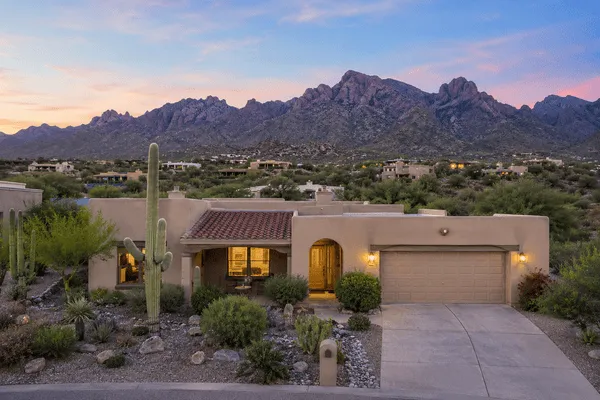
Selling Your Home
Sell your home fast with Ryan Comstock. Benefit from his market expertise, dedicated approach, and strategic marketing.
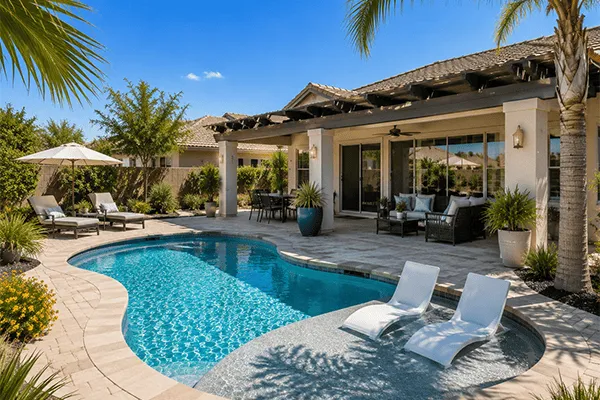
Buying A Home
Find your dream home with Ryan Comstock. Expert guidance, local insights, and personalized service.
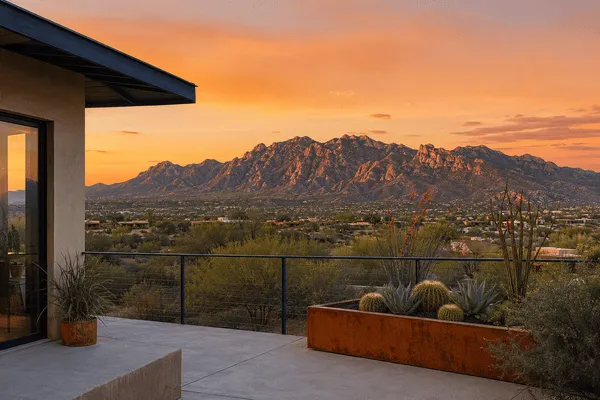
Probate
Sell probate property with Ryan Comstock. Expert probate real estate guidance and local market knowledge you can trust.
Homes with Mountain view
Senior community
Golf Course Homes
Just Listed
Newest Listings
Tucson
Oro Valley
Marana
Sahuarita
Vail
Saddlebrooke
Green Valley
Tanque Verde
Featured Areas
Communities
Market Reports
Stay Ahead with Local Market Insights
Keep up with local real estate through new listings, open houses, recent sales, and market trends — all in one place.
Testimonials
Client Reviews

Let's Talk
Get In Touch
Let's Connect
Blog
Recent Posts

How Luxury Home Pricing Works in Tucson, Arizona
What Determines the Price of a Luxury Home in Tucson?
Pricing a luxury home in Tucson, Arizona, requires more than looking at the price per square foot or comparing a property with nearby listings. High-end homes often have distinctive features, custom architecture, premium locations, and amenities that make direct comparisons difficult.
A home with panoramic Catalina Mountain views, a resort-style pool, and extensive outdoor living space may appeal to a different buyer than a contemporary property near downtown Tucson. Even homes of similar size can have significantly different market values depending on their condition, design, location, and buyer demand.
For luxury homeowners preparing to sell, understanding how pricing works is essential. An asking price that is too high can discourage qualified buyers, while a price that is too low may leave money on the table.
The goal is to establish a price that reflects the property's market position, attracts the right buyers, and supports a successful negotiation.
Ryan Comstock, Owner / Broker of Comstock Real Estate, helps Tucson-area homeowners evaluate their properties and develop pricing strategies based on local market conditions, comparable sales, and each home's unique characteristics.
1. Luxury Home Pricing Starts With Comparable Sales
One of the most important tools in determining a luxury home's value is a comparative market analysis, commonly called a CMA.
A CMA evaluates a property against similar homes that have recently sold, are currently listed, or failed to sell in the same general market.
For luxury properties, selecting the right comparisons requires additional care. Two homes may have the same square footage but differ substantially in quality, privacy, views, amenities, and overall appeal.
A useful luxury home comparison considers:
Location: Neighborhood, elevation, surrounding properties, and proximity to amenities.
Size and layout: Interior square footage, bedroom and bathroom count, and functional living space.
Lot characteristics: Lot size, privacy, topography, and usability.
Architectural design: Custom features, design quality, and construction materials.
Condition: Age, renovations, maintenance, and the condition of major systems.
Outdoor amenities: Pools, patios, landscaping, guesthouses, and outdoor kitchens.
Recent sales: Final sale prices of comparable properties and the circumstances surrounding those transactions.
Recent closed sales generally provide stronger evidence of market value than asking prices alone. Active listings show what competing sellers are asking, but they do not prove what buyers are willing to pay.
Because luxury homes are often unique, a real estate professional may need to look beyond the immediate neighborhood or examine a longer period of sales activity to identify meaningful comparisons.
2. Location Can Significantly Influence Luxury Home Value
In Tucson, location plays a major role in luxury home pricing.
Buyers may prioritize mountain views, desert surroundings, gated access, privacy, proximity to golf courses, or convenient access to shopping and dining.
However, location premiums are not identical across properties. A desirable neighborhood does not automatically guarantee that every home will command a premium price.
Catalina Foothills
The Catalina Foothills is known for scenic desert surroundings, mountain views, and a variety of upscale residential properties. Homes may command different prices depending on their elevation, views, privacy, condition, and proximity to amenities.
Oro Valley
Oro Valley offers residential communities with mountain scenery, outdoor recreation, and access to shopping and services. Luxury home values vary by neighborhood, lot characteristics, architectural style, and property features.
North Tucson and Surrounding Foothills Areas
Some properties in northern Tucson and surrounding foothills areas offer larger lots, custom construction, and distinctive desert settings. Buyers may place a premium on privacy and views, but they also evaluate access, maintenance requirements, and the overall condition of the home.
Central Tucson and Established Neighborhoods
Certain central Tucson neighborhoods attract buyers interested in architectural character, established landscaping, convenient locations, or distinctive custom homes. Historic significance and design can influence value, although preservation requirements and renovation costs may also affect buyer decisions.
What sellers should know: A property's location creates the foundation for its market position, but the specific lot, views, home condition, and nearby competing properties determine how much buyers may be willing to pay.
3. Mountain Views, Privacy, and Outdoor Living Can Affect Pricing
Luxury homes often offer features that are difficult to measure using square footage alone.
In Tucson, these may include panoramic desert views, sunset-facing patios, mountain backdrops, secluded lots, and outdoor spaces designed for year-round enjoyment.
A property with unobstructed mountain views may appeal more strongly to certain buyers than a similar home without those views. Likewise, a private backyard with mature desert landscaping may be more attractive than a larger yard requiring extensive upkeep.
Other features that can influence a home's market position include:
Resort-style swimming pools and spas.
Covered patios and outdoor entertainment areas.
Guesthouses or detached casitas.
Professionally designed landscaping.
Gated entrances and privacy features.
Expansive windows that showcase desert scenery.
Outdoor kitchens and upgraded lighting.
The key is determining which features buyers in the relevant price range actually value.
An expensive improvement does not necessarily increase a home's value by the same amount it cost to install. A custom pool, for example, may enhance buyer appeal, but its contribution to the final sale price depends on the property's overall positioning and the preferences of competing buyers.
Sellers should evaluate amenities in the context of comparable sales rather than assuming that every upgrade deserves a dollar-for-dollar adjustment.
4. Why Price Per Square Foot Is Not Enough
Price per square foot can be a helpful reference point, but it is not a complete valuation method for luxury homes.
Consider two hypothetical Tucson properties:
Property feature | Home A | Home B |
|---|---|---|
Interior size | 3,000 sq. ft. | 3,000 sq. ft. |
Lot | Standard lot | Larger, more private lot |
Views | Limited | Panoramic mountain views |
Condition | Dated interiors | Updated finishes |
Outdoor space | Basic patio | Pool and covered entertainment area |
Although both homes have the same interior size, buyers may view them very differently.
Home B might justify a higher asking price if the market supports premiums for its lot, views, condition, and outdoor amenities. However, the actual difference must be supported by relevant market evidence.
Price per square foot also becomes less reliable when comparing homes with guesthouses, extensive outdoor features, unusual floor plans, or significant differences in construction quality.
For a more accurate pricing strategy, sellers should evaluate the complete property rather than relying on a single metric.
5. How Luxury Market Conditions Affect Asking Prices
Even an exceptional property must be priced within the context of current market conditions.
Luxury buyers may have more flexibility in their purchase timing, and high-end properties can attract a narrower pool of potential buyers than homes in more affordable price ranges. As a result, market shifts can affect luxury listings differently from the broader housing market.
Several indicators can help determine how aggressively a property should be priced.
Inventory
The number of competing luxury listings gives sellers an idea of how much choice buyers have.
When many similar homes are available, buyers may have greater negotiating power. A seller may need a sharper asking price or a stronger presentation to stand out.
Days on Market
The time comparable properties spend on the market can offer clues about demand and pricing expectations.
However, days on market should be interpreted carefully. A unique property may take longer to sell because it serves a smaller audience, even when its asking price is reasonable.
Sale-to-List Price Ratio
Comparing final sale prices with original or final asking prices can help reveal negotiation patterns. The comparison should use consistent definitions and similar properties to avoid misleading conclusions.
Pending Sales
Pending listings may offer insight into current buyer activity, but their final sale prices are generally not public until the transactions close and the relevant data becomes available.
Interest Rates and Buyer Confidence
Mortgage rates can influence purchasing power, even among affluent buyers who plan to finance part of a purchase. Economic uncertainty and confidence in the housing market can also affect buyer urgency.
The most useful analysis focuses on the luxury segment that competes directly with the subject property, rather than assuming that overall Tucson housing statistics tell the entire story.
6. The Risks of Overpricing a Luxury Home
Luxury sellers sometimes set an asking price based on what they invested in the property, what they hope to receive, or what a neighbor's home sold for several years ago.
Those considerations may be emotionally important, but they do not necessarily reflect current market value.
Overpricing can create several challenges.
Fewer qualified showings: Buyers comparing several luxury properties may eliminate a home that appears overpriced before scheduling a visit.
Longer time on the market: If the initial price does not match buyer expectations, the property may remain listed while competing homes attract attention.
Repeated price reductions: Multiple reductions can make buyers wonder whether the seller is becoming increasingly motivated or whether the home has other issues.
Reduced negotiating leverage: Buyers may feel more comfortable making lower offers when a property has been available for an extended period.
Missed launch momentum: The initial marketing period is an opportunity to introduce the home to interested buyers. An unrealistic asking price can weaken that opportunity.
A higher asking price is not automatically a better strategy. The objective is to position the property so that qualified buyers see its value and have a reason to act.
7. How to Price a Luxury Home Strategically
An effective pricing strategy combines market evidence, property-specific analysis, and a clear understanding of the likely buyer.
Step 1: Identify the Right Buyer
Consider who is most likely to purchase the property.
Potential buyers might prioritize mountain views, entertaining space, architectural design, privacy, a guesthouse, or convenient access to particular amenities.
Understanding the likely buyer helps determine which features deserve the most attention in the listing presentation.
Step 2: Review Relevant Comparable Properties
Analyze recent closed sales, active listings, pending properties where reliable information is available, and relevant expired or withdrawn listings.
Look for similarities in location, size, quality, lot characteristics, views, and amenities.
Step 3: Evaluate the Property's Condition
Review the condition of the roof, HVAC system, windows, plumbing, pool equipment, and other major components. Consider whether deferred maintenance or dated finishes may influence buyer perception.
Not every home needs a major renovation before listing. Sometimes, targeted repairs and thoughtful preparation offer a better return than extensive remodeling.
Step 4: Determine the Competitive Position
Assess whether the home offers advantages over similar listings or whether buyers will see comparable alternatives at a lower price.
This step helps establish a realistic range for the asking price.
Step 5: Select a Pricing Approach
A seller may choose to price near the supported market value, position the property competitively to encourage early interest, or test a higher price when evidence supports a premium.
The right strategy depends on current demand, competition, seller priorities, and the property's distinctive features.
Step 6: Monitor Buyer Response
After the home launches, evaluate showing activity, inquiries, agent feedback, and competing listings.
If the property receives limited interest, investigate the cause rather than automatically assuming the price is the only problem. Marketing, presentation, accessibility for showings, and property condition can also affect results.
Step 7: Reassess When Market Conditions Change
If new comparable sales emerge or competing homes adjust their prices, review the property's position.
A pricing strategy should be informed by current evidence, not treated as a number that can never change.
8. Do Luxury Home Improvements Increase Market Value?
Preparing a luxury property for sale can improve buyer perception, but the best improvements depend on the home and its likely audience.
High-end buyers often expect a property to be well maintained. Visible neglect can distract from otherwise attractive features and lead buyers to question the condition of less obvious components.
Before spending money on renovations, consider:
Repairing visible maintenance issues.
Cleaning windows to showcase mountain and desert views.
Improving landscaping and outdoor presentation.
Refreshing paint where necessary.
Decluttering and staging rooms to emphasize space and function.
Ensuring lighting and photography showcase the property effectively.
Organizing records for major improvements and system replacements.
Large-scale renovations should be evaluated carefully. A seller may not recover the full cost of a highly personalized kitchen, elaborate pool renovation, or specialized entertainment room.
A comparative market analysis can help identify whether competing properties offer similar features and whether a particular improvement is likely to strengthen the home's market position.
9. Luxury Marketing and Pricing Work Together
Pricing is only one part of selling a high-end property. The listing must also communicate why the home deserves consideration at its asking price.
Luxury buyers often want to understand the property's design, setting, lifestyle benefits, and distinctive features before arranging a private showing.
An effective marketing plan may include:
Professional photography.
Video tours and carefully planned property footage.
Floor plans and detailed property descriptions.
High-quality online listing presentation.
Targeted digital marketing.
Promotion to relevant buyer audiences and real estate networks.
Private showings or open-house arrangements appropriate for the property.
Marketing should highlight the features that support the home's position in the market. A property with impressive mountain views should showcase those views, while a home designed for entertaining should emphasize its indoor-outdoor flow and gathering spaces.
However, excellent marketing cannot consistently overcome a price that is unsupported by the market. The strongest results come from aligning the asking price, property presentation, and target audience.
10. When Should You Adjust a Luxury Home's Asking Price?
A price adjustment may be worth considering when buyer response suggests that the property is not positioned competitively.
Warning signs may include:
Few qualified showings despite strong exposure.
Consistent feedback that the home is priced above comparable options.
Similar properties selling at lower prices.
New competing listings offering stronger features or value.
A meaningful change in inventory or buyer demand.
Before making a change, review the evidence with your real estate professional. Compare the home's activity with that of similar listings and identify whether the issue is price, presentation, marketing, or a combination of factors.
When a price adjustment is necessary, a meaningful change supported by current market data may be more effective than a series of small reductions that do not change the property's competitive position.
The purpose is not simply to lower the price. It is to reconnect the property with the right pool of qualified buyers.
Frequently Asked Questions About Luxury Home Pricing in Tucson
How is a luxury home valued in Tucson, Arizona?
Luxury homes are generally evaluated using comparable sales, location, property condition, architectural quality, lot characteristics, views, amenities, and current market conditions. Because high-end homes can be highly customized, selecting appropriate comparable properties is especially important.
Do mountain views increase luxury home value in Tucson?
Mountain views can increase buyer appeal and may support a higher price when comparable sales demonstrate that buyers pay a premium for similar views. The effect depends on the quality of the view, the property's location, privacy, and the preferences of the target market.
Should I price my luxury home higher to leave room for negotiation?
Not necessarily. An asking price should reflect a defensible market position. Pricing too high may discourage qualified buyers and reduce early interest. A local market analysis can help determine an appropriate strategy based on the seller's goals and current competition.
Is price per square foot a reliable way to price a luxury home?
Price per square foot is useful as a reference, but it does not fully account for views, construction quality, privacy, lot size, guesthouses, outdoor amenities, or architectural features. It should be considered alongside comparable sales and property-specific factors.
How long does it take to sell a luxury home in Tucson?
The timeline varies by price range, neighborhood, condition, marketing, and buyer demand. Luxury properties may take longer to sell because their buyer pool can be more limited. Recent days-on-market data for comparable luxury homes offers a more useful benchmark than a citywide average.
Should I renovate before selling my luxury home?
Not always. Repairs, decluttering, landscaping, staging, and professional photography may improve presentation without requiring a major renovation. Evaluate larger improvements based on cost, buyer expectations, and comparable properties before committing to the expense.
How often should I review my luxury home's asking price?
Review buyer activity and competing listings regularly after launch, and reassess whenever new sales or meaningful market changes affect the home's position. A pricing review should be based on evidence rather than an arbitrary schedule.
Price Your Tucson Luxury Home With a Strategic Plan
Selling a luxury home requires a clear understanding of what makes the property valuable and how buyers compare it with other available options.
In Tucson's luxury real estate market, mountain views, privacy, architectural design, outdoor living spaces, neighborhood characteristics, and current competition can all influence pricing. A successful strategy brings these factors together to establish an asking price that reflects the home's strengths while remaining grounded in market evidence.
Ryan Comstock, Owner / Broker of Comstock Real Estate, brings more than 20 years of real estate experience and has helped clients navigate more than 900 home sales. For homeowners preparing to sell in Tucson, Oro Valley, Marana, Vail, or the surrounding Southern Arizona area, a property-specific pricing analysis can provide a clearer starting point.
If you are considering selling a luxury property, contact Ryan Comstock to discuss your home's features, comparable sales, and the best approach for bringing it to market.
Ryan Comstock | Owner / Broker
Comstock Real Estate
Phone: 520-261-4669
Email: [email protected]
Website: https://www.ryancomstock.com
Office: 177 N Church Ave #703, Tucson, AZ 85701
Experience. Integrity. Results.

Need More Info?
Read Faq's
What should I look for in a Realtor in Tucson, AZ?
When seeking a Realtor in Tucson, AZ, it's essential to consider their local market knowledge, experience in the Tucson area, and client testimonials. A knowledgeable Realtor like Ryan Comstock can guide you through neighborhoods like Oro Valley or the revitalized downtown area while providing insights into local amenities and schools.
How do I find the Best Realtor in Tucson, AZ?
To find the Best Realtor in Tucson, AZ, start by researching online reviews and asking for recommendations from friends or family. Look for real estate agents who specialize in Tucson properties and have a proven track record, such as Ryan Comstock, who understands the unique aspects of the Tucson market, including its diverse home styles and community events.
What is the average home price in Tucson, AZ?
The average home price in Tucson, AZ, can vary based on location and property type. As of now, homes typically range from $250,000 to $450,000. Working with a knowledgeable Real Estate Agent, like Ryan Comstock, can help you identify options that fit your budget while navigating Tucson's vibrant neighborhoods.
Is Tucson a good place to invest in real estate?
Yes, Tucson is a great place to invest in real estate due to its affordable housing market, strong rental demand, and steady job growth. With the influence of the University of Arizona and its cultural attractions, working with an experienced Realtor in Tucson, AZ can help investors capitalize on the city’s growth potential.
What neighborhoods in Tucson should I consider?
Tucson is home to a variety of neighborhoods suitable for different lifestyles. Consider areas like Catalina Foothills for luxury homes, Midtown for convenience, and Downtown Tucson for a vibrant arts scene. A top Real Estate Agent like Ryan Comstock can provide tailored recommendations based on your preferences.
How long does it typically take to sell a home in Tucson, AZ?
The time it takes to sell a home in Tucson varies but generally ranges from 30 to 90 days, depending on market conditions and the property's price. Partnering with a proactive Realtor in Tucson, AZ can significantly streamline the selling process by employing effective marketing strategies.


Disclaimer: All information contained on this website is deemed reliable but not guaranteed. All properties are subject to prior sale, change or withdrawal notice ryancomstock.com believes all information to be correct but assumes no legal responsibility for accuracy.