How Much Is Your Home Worth?

Top Realtor in Tucson, AZ – Buy or Sell Your Dream Home Today
Helping You Buy, Sell & Maximize Your Home’s Value in Tucson, AZ
Exclusive Properties
Featured Listings
Historic El Presidio Inn Lists for $1.3M in Tucson with Ryan Comstock at eXp Realty Tucson Arizona.
A Rare Look Inside One of The Most Historic Homes with Ryan Comstock at eXp Realty Tucson Arizona.
Tucson Real Estate News
Insights
As seen on







Meet Your Realtor®
Ryan Comstock

Ryan Comstock is a Top 1% Realtor in Tucson, AZ, with 20+ years of experience and 900+ homes sold across Southern Arizona. Serving the Tucson area since 2006, Ryan is consistently recognized as one of the best Realtors in Tucson, known for award-winning customer service across residential, luxury, and estate sales. He serves Tucson, Oro Valley, Marana, Sahuarita, Vail, and surrounding communities with eXp Realty.
Homes Sold
Years of Experience
5 Star Reviews
Top 1% of Realtors in America
Certified Probate Real Estate Specialist (CPRES)
2X eXp ICON Agent
Why Work With Ryan
Accolades
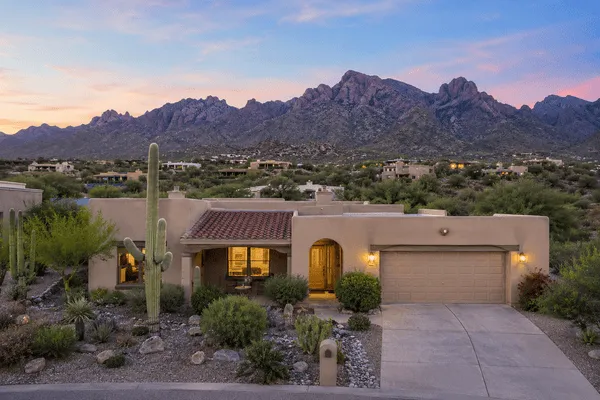
Selling Your Home
Sell your home fast with Ryan Comstock. Benefit from his market expertise, dedicated approach, and strategic marketing.
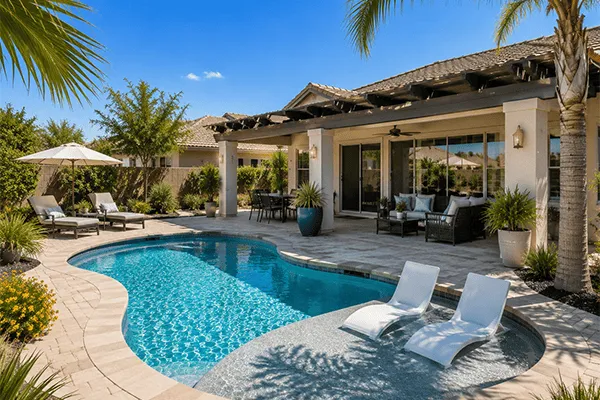
Buying A Home
Find your dream home with Ryan Comstock. Expert guidance, local insights, and personalized service.
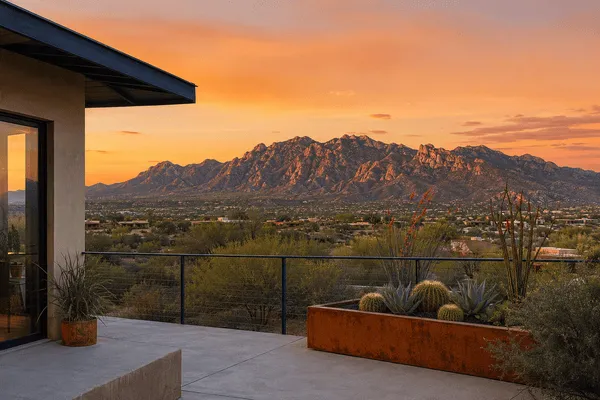
Probate
Sell probate property with Ryan Comstock. Expert probate real estate guidance and local market knowledge you can trust.
Homes with Mountain view
Senior community
Golf Course Homes
Just Listed
Newest Listings
Tucson
Oro Valley
Marana
Sahuarita
Vail
Saddlebrooke
Green Valley
Tanque Verde
Featured Areas
Communities
Market Reports
Stay Ahead with Local Market Insights
Keep up with local real estate through new listings, open houses, recent sales, and market trends — all in one place.
Testimonials
Client Reviews
Let's Talk
Get In Touch
Let's Connect
Blog
Recent Posts
How Much Money Do You Need to Buy a Home in Tucson?
How Much Money Do You Really Need to Buy a Home in Tucson?
One of the biggest misconceptions about buying a home is that you need to save 20% of the purchase price before you can become a homeowner.
That's not necessarily true.
Depending on your loan program, financial situation, purchase price, and other factors, you may be able to buy a Tucson home with significantly less than 20% down.
But there's an important catch:
Your down payment is only one part of the money you'll need to buy a home.
You also need to consider closing costs, earnest money, inspections, prepaid expenses, moving costs, and—perhaps most importantly—money you should keep in reserve after closing.
For buyers considering Tucson real estate, understanding the complete financial picture can help you shop with confidence instead of guessing what you can afford.
And this is where having an experienced Tucson REALTOR® like Ryan Comstock can make a difference.
With more than 20 years of real estate experience and more than 900 homes sold, Ryan helps buyers understand not only the homes they can purchase, but also the financial considerations that come with getting to the closing table.
How Much Does a Home Cost in Tucson?
The first number to consider is the price of the home itself.
As of July 2026, the median sale price for a Tucson home was approximately $325,000, according to Redfin. The Tucson market had a median sale price of $324,837, with homes selling in an average of about 64 days.
Of course, the median is only a starting point.
Tucson has a wide variety of neighborhoods, property types, home sizes, and price ranges.
You may find homes below the median as well as properties substantially above it.
That's why your first step shouldn't be asking:
"How much house can I qualify for?"
Instead, ask:
"How much home can I comfortably afford while still having money left after closing?"
Those are two very different questions.
What Money Do You Need to Buy a Home?
For most buyers, the major upfront expenses fall into several categories:
Down payment
Closing costs
Earnest money
Inspection and due-diligence expenses
Prepaid taxes and insurance
Moving and initial home expenses
Emergency savings and financial reserves
Let's look at each one.
1. Your Down Payment
The down payment is usually the largest upfront expense.
But you do not automatically need 20% down.
Depending on the mortgage program and your qualifications, some buyers may be able to purchase with as little as 3% down. Other buyers may use 5%, 10%, 15%, or 20% or more.
The right amount depends on your individual financial situation.
For example, consider a $325,000 Tucson home.
3% Down
$325,000 × 3% = $9,750
5% Down
$325,000 × 5% = $16,250
10% Down
$325,000 × 10% = $32,500
20% Down
$325,000 × 20% = $65,000
These numbers demonstrate why assuming you need $65,000 before you can even begin looking at Tucson homes can discourage buyers unnecessarily.
However, a smaller down payment can affect your monthly payment, mortgage insurance, loan terms, and overall financing costs.
Your lender can help determine which option makes sense for you.
2. Closing Costs
Your down payment isn't the only money you'll need at closing.
Closing costs generally cover various services and expenses involved in completing the purchase.
Freddie Mac says closing costs commonly range from approximately 2% to 5% of the purchase price, although actual costs vary by transaction.
For a $325,000 home, that broad range would equal approximately:
2%: $6,500
3%: $9,750
4%: $13,000
5%: $16,250
These are planning estimates—not a quote for your specific Tucson transaction.
Your actual costs depend on your loan, lender, property, title and escrow charges, taxes, insurance, contract terms, and other factors.
This is why Ryan recommends that buyers get specific numbers from their lender rather than simply budgeting based on an internet percentage.
3. Earnest Money
When you make an offer on a Tucson home, your purchase contract may require an earnest money deposit.
Earnest money is essentially a good-faith deposit demonstrating that you're serious about purchasing the property.
It is important to understand that earnest money is generally not an additional expense on top of your down payment and closing costs if the transaction closes. It is typically credited toward the money you ultimately owe at closing, depending on the contract.
For example, if you deposit earnest money when your offer is accepted, that money may later be credited toward your down payment or closing costs.
However, earnest money can have important contractual consequences if the transaction does not close.
That's why buyers should understand their purchase contract and ask questions before signing.
4. Home Inspection and Other Due Diligence
Another expense buyers should plan for is the inspection process.
A general home inspection can help identify potential maintenance issues and other concerns before you complete the purchase.
Depending on the property, you may also consider additional inspections or evaluations involving:
Roof
HVAC
Plumbing
Electrical systems
Sewer
Termites
Pool and spa
Structural issues
Solar equipment
Other specialized systems
The appropriate inspections depend on the individual property.
A Tucson home with a pool, for example, may require different due diligence than a condominium.
Freddie Mac estimates a typical home inspection at approximately $300–$500, although actual costs vary by market, property, and inspection scope.
5. Prepaid Taxes and Insurance
Some of the money you need at closing may go toward future expenses.
These can include:
Homeowners insurance
Property taxes
Initial escrow deposits
Other prepaid items required by the lender
These amounts can make your cash-to-close figure larger than you might expect if you were only thinking about your down payment.
Your lender and escrow/title professionals can explain exactly what applies to your transaction.
6. Moving and Initial Home Expenses
You finally get the keys.
Congratulations!
But that's not necessarily the end of your spending.
You may also need money for:
Moving expenses
Furniture
Appliances
Window coverings
Landscaping
Pool equipment or maintenance
Utility deposits or setup
Locks
Minor repairs
Painting
Home improvements
Some of these expenses can be delayed.
Others may be necessary immediately.
That's why spending every dollar you have to get through closing can leave you financially uncomfortable afterward.
7. Money You Should Keep After Closing
This is one of the most important parts of the home-buying equation.
The goal isn't simply to have enough money to close.
You also want to have enough money to comfortably own the home after closing.
Unexpected expenses happen.
An air conditioner can stop working.
A water heater can fail.
A roof can need attention.
A vehicle can require an expensive repair at the same time you move into your new house.
Fannie Mae specifically recognizes liquid financial reserves as funds available to a borrower after the mortgage closes, and buyers should consider both expected and unexpected homeownership expenses when determining how much cash to put toward the purchase.
That's why Ryan encourages buyers to think beyond the closing statement.
Example: How Much Cash Might a Tucson Buyer Need?
Let's use a hypothetical $325,000 Tucson home.
Suppose a buyer chooses a 5% down payment.
Down Payment
5% of $325,000 = $16,250
Estimated Closing Costs
Using a broad 2%–5% planning range:
$6,500–$16,250
Potential Cash Needed Before Other Expenses
Approximately:
$22,750–$32,500
And that doesn't necessarily include every possible prepaid expense, inspection cost, moving expense, or other transaction-specific requirement.
It also doesn't mean a buyer must have that exact amount sitting in a checking account.
Credits, assistance programs, financing structures, earnest money already deposited, and negotiated contract terms can all affect the final amount.
The point is simple:
Don't assume the down payment is the same thing as the total cash you'll need.
Do You Really Need 20% Down?
For many buyers, no.
A 20% down payment can have advantages, but it isn't the universal requirement many people believe it is.
Some conventional mortgage options allow qualified buyers to put down as little as 3%.
However, putting less than 20% down can result in private mortgage insurance on many conventional loans.
A smaller down payment can also mean:
Larger loan balance
Higher monthly payment
More interest paid over time
Mortgage insurance
Less equity at purchase
On the other hand, putting 20% down means tying a substantial amount of cash up in the property.
For some buyers, preserving cash for reserves and future expenses may be more valuable than putting every available dollar into the down payment.
There is no one-size-fits-all answer.
Your lender can compare different scenarios based on your finances.
Can You Buy a Tucson Home With Less Cash?
Potentially.
Depending on your circumstances, buyers may have access to options such as:
Low-down-payment conventional financing
FHA financing
VA financing for eligible borrowers
USDA financing in eligible areas
Down payment assistance programs
Seller concessions toward allowable costs
The availability and requirements of these programs vary.
Your lender is the best source for determining which financing programs you actually qualify for.
Freddie Mac notes that there are thousands of down payment assistance programs across the country, making it worthwhile for eligible buyers to investigate available assistance rather than assuming they must fund the entire down payment themselves.
What About Seller-Paid Closing Costs?
In some Tucson transactions, buyers may negotiate for the seller to contribute toward certain allowable closing expenses.
Whether that makes sense depends on the property and the negotiation.
Factors can include:
Current market conditions
Seller motivation
Competition
Purchase price
Loan program
Appraisal
Buyer's cash position
Overall strength of the offer
A seller contribution isn't automatically better than a lower purchase price.
The entire offer needs to be evaluated together.
This is one area where having an experienced negotiator on your side can be particularly valuable.
Your Monthly Payment Matters Too
Having enough money to purchase the home is only part of affordability.
You also need to determine whether you can comfortably handle the monthly cost of owning it.
Your housing expenses may include:
Principal and interest
Property taxes
Homeowners insurance
Mortgage insurance, if applicable
HOA dues
Utilities
Maintenance
Pool expenses
Landscaping
Repairs
A home that looks affordable based on the mortgage payment alone may have a substantially different total cost once everything is included.
That's why Ryan encourages buyers to consider the full cost of ownership.
Don't Forget Tucson's Climate and Home Features
Tucson homes can have property-specific expenses that buyers should consider carefully.
For example, a home with a swimming pool may have ongoing maintenance and equipment expenses.
A larger property may require more landscaping.
An older home may need more maintenance than a newer construction home.
A property with an aging HVAC system could eventually require a significant replacement.
These aren't necessarily reasons not to buy a home.
They're reasons to understand what you're buying.
The inspection and due-diligence period can be an important part of that process.
How Much Should You Save Before You Start House Hunting?
There's no universal dollar amount.
Instead, think in terms of categories.
Before seriously shopping for a Tucson home, you ideally want to understand how much you have available for:
Your Down Payment
How much are you planning to put down?
Closing Costs
What does your lender estimate you'll need?
Earnest Money
How much might you need when submitting an offer?
Inspection and Due Diligence
How much should you budget for inspections and professional evaluations?
Moving
How much will it cost to move into the new property?
Immediate Repairs or Purchases
Will you need furniture, appliances, repairs, or other items immediately?
Emergency Reserves
How much money will remain after closing?
That final category is often overlooked.
Don't measure your readiness to buy solely by whether you can get to the closing table.
Measure it by whether you'll still feel financially comfortable after you get the keys.
A Simple Tucson Home-Buying Savings Formula
A useful way to think about your target savings is:
Down payment
Estimated closing costs
Earnest money requirements
Inspection and due-diligence expenses
Moving and initial expenses
Emergency reserves
=
Your personal home-buying savings target
Your actual number should be customized with your lender and financial advisers based on your situation.
How Ryan Comstock Helps Tucson Buyers Navigate the Financial Side of a Purchase
Buying a home involves multiple professionals, and each one has a different role.
Your lender helps you understand financing, qualification, loan costs, and cash-to-close estimates.
Your title and escrow professionals handle their portion of the transaction.
Inspectors evaluate the condition of the property.
Your REALTOR® helps you evaluate homes, understand market conditions, negotiate the purchase contract, navigate the transaction, and coordinate the process.
That's where experience matters.
Ryan Comstock has more than 20 years of real estate experience and more than 900 homes sold.
He understands that buying a home isn't simply about finding a property you like.
It's about helping you make a purchase that fits your goals, your situation, and the realities of the Tucson market.
Why Work With Ryan Comstock?
Ryan brings:
20+ years of real estate experience
900+ homes sold
Top 1% REALTOR®
Strong knowledge of Tucson and Southern Arizona
Experienced contract negotiation
Buyer-focused guidance
Experience with first-time and experienced buyers
Knowledge of Tucson, Oro Valley, Marana, Vail, Sahuarita, and surrounding communities
Whether you're buying your first Tucson home or your fifth, having an experienced REALTOR® helping you evaluate the transaction can make the process more manageable.
Questions to Ask Before Buying a Tucson Home
Before making an offer, ask yourself:
How much can I comfortably put toward the down payment?
How much will my lender estimate for closing costs?
How much earnest money will I need?
What will inspections cost?
Will I need additional specialized inspections?
What will my monthly payment actually be?
Will I have mortgage insurance?
Does the home have an HOA?
What are the estimated property taxes?
How much will homeowners insurance cost?
What repairs or maintenance could the property require?
How much money will I have left after closing?
Am I comfortable with that remaining reserve?
If you can't answer these questions yet, that's okay.
That's exactly why the home-buying team exists.
Frequently Asked Questions
How much money do I need to buy a house in Tucson?
There isn't one universal amount. Your required cash depends on the purchase price, down payment, loan program, closing costs, earnest money, prepaid expenses, and other transaction-specific costs.
Some qualified buyers may be able to purchase with a down payment as low as 3%, while other buyers choose to put 5%, 10%, 20%, or more down.
Do I need 20% down to buy a Tucson home?
No. Some mortgage programs allow qualified buyers to put down as little as 3%. However, lower down payments can affect mortgage insurance and monthly costs.
How much are closing costs in Tucson?
Closing costs vary. A commonly cited planning range is approximately 2%–5% of the purchase price, but your actual costs depend on your specific loan and transaction.
Is earnest money part of my down payment?
Earnest money is generally credited toward your required funds at closing if the transaction closes, rather than being an additional cost on top of the down payment. The purchase contract controls the terms.
Can a seller help with my closing costs?
Potentially. Seller contributions may be negotiable depending on the transaction and loan-program requirements. Your REALTOR® and lender can help you determine what may be possible.
Should I spend all my savings on the down payment?
Not necessarily. Buyers should consider maintaining enough cash for emergencies, moving, repairs, maintenance, and other expenses after closing.
Is Tucson still affordable for homebuyers?
Tucson's median sale price was approximately $325,000 in July 2026, according to Redfin, although prices vary significantly by neighborhood and property type.
The right question is less about whether Tucson is universally affordable and more about which Tucson homes fit your individual budget.
The Bottom Line: Buying a Home Is About More Than the Down Payment
If you're saving to buy a home in Tucson, don't make the mistake of setting one goal—such as saving 20%—and assuming you're ready once you reach it.
Your real target should account for:
Down payment + closing costs + transaction expenses + moving costs + money left in reserve.
And remember that a lower down payment may make homeownership possible sooner, but it can also affect your monthly payment and overall financing costs.
The best strategy is the one that fits your financial situation.
Ready to Buy a Home in Tucson?
If you're thinking about buying a home in Tucson, Oro Valley, Marana, Vail, Sahuarita, or another Southern Arizona community, Ryan Comstock can help you understand the real estate side of the process from your first search through closing.
With 20+ years of experience and more than 900 homes sold, Ryan brings local market knowledge, negotiation experience, and a practical approach to helping buyers navigate Tucson real estate.
Before you start touring homes, get clear on your numbers.
Before you make an offer, understand your cash requirements.
And before you close, make sure you're not only able to buy the home—but financially prepared to own it.
Ryan Comstock, REALTOR®
eXp Realty
Phone: (520) 261-4669
Office: 177 N. Church Ave. #805, Tucson, AZ 85701
Website: www.ryancomstock.com

Need More Info?
Read Faq's
What should I look for in a Realtor in Tucson, AZ?
When seeking a Realtor in Tucson, AZ, it's essential to consider their local market knowledge, experience in the Tucson area, and client testimonials. A knowledgeable Realtor like Ryan Comstock can guide you through neighborhoods like Oro Valley or the revitalized downtown area while providing insights into local amenities and schools.
How do I find the Best Realtor in Tucson, AZ?
To find the Best Realtor in Tucson, AZ, start by researching online reviews and asking for recommendations from friends or family. Look for real estate agents who specialize in Tucson properties and have a proven track record, such as Ryan Comstock, who understands the unique aspects of the Tucson market, including its diverse home styles and community events.
What is the average home price in Tucson, AZ?
The average home price in Tucson, AZ, can vary based on location and property type. As of now, homes typically range from $250,000 to $450,000. Working with a knowledgeable Real Estate Agent, like Ryan Comstock, can help you identify options that fit your budget while navigating Tucson's vibrant neighborhoods.
Is Tucson a good place to invest in real estate?
Yes, Tucson is a great place to invest in real estate due to its affordable housing market, strong rental demand, and steady job growth. With the influence of the University of Arizona and its cultural attractions, working with an experienced Realtor in Tucson, AZ can help investors capitalize on the city’s growth potential.
What neighborhoods in Tucson should I consider?
Tucson is home to a variety of neighborhoods suitable for different lifestyles. Consider areas like Catalina Foothills for luxury homes, Midtown for convenience, and Downtown Tucson for a vibrant arts scene. A top Real Estate Agent like Ryan Comstock can provide tailored recommendations based on your preferences.
How long does it typically take to sell a home in Tucson, AZ?
The time it takes to sell a home in Tucson varies but generally ranges from 30 to 90 days, depending on market conditions and the property's price. Partnering with a proactive Realtor in Tucson, AZ can significantly streamline the selling process by employing effective marketing strategies.


Disclaimer: All information contained on this website is deemed reliable but not guaranteed. All properties are subject to prior sale, change or withdrawal notice ryancomstock.com believes all information to be correct but assumes no legal responsibility for accuracy.