How Much Is Your Home Worth?

Top Realtor in Tucson, AZ – Buy or Sell Your Dream Home Today
Helping You Buy, Sell & Maximize Your Home’s Value in Tucson, AZ
Exclusive Properties
Featured Listings
Historic El Presidio Inn Lists for $1.3M in Tucson with Ryan Comstock.
A Rare Look Inside One of The Most Historic Homes with Ryan Comstock.
Tucson Real Estate News
Insights
As seen on







Meet Your Realtor®
Ryan Comstock

Ryan Comstock is a Top 1% Realtor in Tucson, AZ, with 20+ years of experience and 900+ homes sold across Southern Arizona. Serving the Tucson area since 2006, Ryan is consistently recognized as one of the best Realtors in Tucson, known for award-winning customer service across residential, luxury, and estate sales. He serves Tucson, Oro Valley, Marana, Sahuarita, Vail, and surrounding communities.
Homes Sold
Years of Experience
5 Star Reviews
Top 1% of Realtors in America
Certified Probate Real Estate Specialist (CPRES)
Why Work With Ryan
Accolades
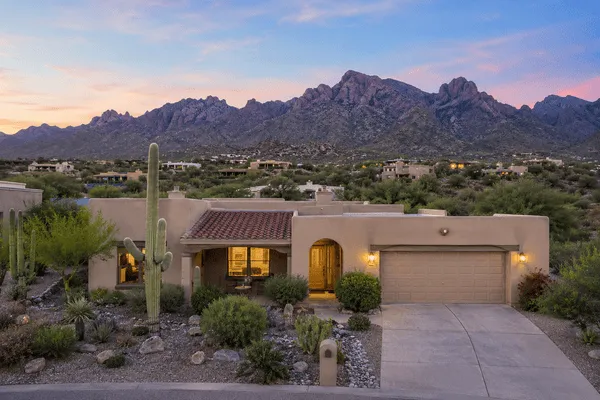
Selling Your Home
Sell your home fast with Ryan Comstock. Benefit from his market expertise, dedicated approach, and strategic marketing.

Buying A Home
Find your dream home with Ryan Comstock. Expert guidance, local insights, and personalized service.
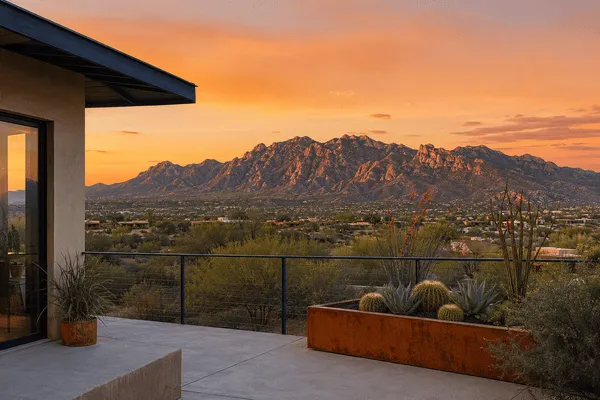
Probate
Sell probate property with Ryan Comstock. Expert probate real estate guidance and local market knowledge you can trust.
Homes with Mountain view
Senior community
Golf Course Homes
Just Listed
Newest Listings
Tucson
Oro Valley
Marana
Sahuarita
Vail
Saddlebrooke
Green Valley
Tanque Verde
Featured Areas
Communities
Market Reports
Stay Ahead with Local Market Insights
Keep up with local real estate through new listings, open houses, recent sales, and market trends — all in one place.
Testimonials
Client Reviews

Let's Talk
Get In Touch
Let's Connect
Blog
Recent Posts

Moving From California to Tucson, Arizona: A Complete Guide
If you are considering moving from California to Tucson, Arizona, you are not alone in looking for a different pace of life, more affordable housing options, and a new place to call home. Tucson offers a distinctive combination of desert scenery, outdoor recreation, Southwestern culture, and a growing range of residential communities.
For some California residents, relocating to Tucson may provide an opportunity to purchase a home that better fits their budget. Others are drawn to the warm climate, retirement lifestyle, proximity to outdoor activities, or the chance to enjoy a less crowded environment.
However, moving from California to Southern Arizona involves more than choosing a new home. Housing costs, summer temperatures, transportation, taxes, utility expenses, and neighborhood characteristics can all affect your experience.
Before making the move, it is important to understand what daily life in Tucson is really like and how to prepare for a successful relocation.
This guide explains what California residents should know before moving to Tucson, including where to live, what to budget for, and how to find the right home.
1. Why Are Californians Moving to Tucson?
Tucson appeals to people with different priorities, from first-time homebuyers and growing families to remote workers and retirees. While every relocation decision is different, several factors commonly make Southern Arizona worth considering.
More Housing Options for Your Budget
Housing affordability is one of the first things California residents investigate when comparing Tucson with their current location.
Depending on where you live in California, your housing budget may provide access to different property types in Tucson, including single-family homes, townhomes, condos, and properties with larger lots.
Some buyers may find opportunities to purchase a home with more interior space, a larger yard, or mountain views than they could comfortably afford in their previous market.
However, affordability depends on the specific communities being compared. A home in an expensive coastal California market is not directly comparable to a luxury property in the Catalina Foothills or an established neighborhood in Tucson.
Before deciding that Tucson is the better financial choice, compare similar properties by size, condition, location, and ownership costs.
A Different Pace of Life
Tucson combines urban conveniences with a strong connection to the outdoors. Residents can enjoy restaurants, shopping, cultural events, and local businesses while remaining close to desert trails and mountain landscapes.
Compared with some large California metropolitan areas, certain parts of Tucson may feel less congested or more relaxed. However, traffic, commute times, and neighborhood activity vary significantly across the region.
Access to Outdoor Recreation
Southern Arizona is known for its desert landscapes, mountain scenery, hiking trails, cycling routes, and opportunities for outdoor exploration.
Popular destinations include Saguaro National Park, Sabino Canyon, and the Catalina Mountains. Residents can also explore local parks, golf courses, and scenic drives throughout the region.
Outdoor recreation is a major attraction for people who enjoy an active lifestyle, although summer heat requires careful planning.
A Southwestern Lifestyle
Tucson has its own identity, shaped by Sonoran Desert geography, regional history, Mexican-American influences, local food traditions, and a strong connection to the surrounding landscape.
From neighborhood restaurants serving Sonoran-style Mexican food to local festivals and outdoor markets, newcomers can discover a culture that differs from many California communities.
2. Is Tucson More Affordable Than California?
For many people relocating from California, housing costs are a major reason to consider Tucson. However, the financial benefits depend on where you are moving from, your household income, and the type of home you plan to purchase.
California is a large state with substantial differences between markets. The cost of living in Los Angeles, San Diego, San Francisco, Sacramento, and smaller inland communities can vary considerably.
Rather than assuming every expense will be lower, compare your current budget with the costs of living in your preferred Tucson neighborhood.
Housing Costs
The purchase price is often the most noticeable difference when comparing homes in California and Tucson.
In some cases, a buyer moving from a higher-cost California market may be able to consider a larger home, a different property type, or a neighborhood with features that were previously outside their budget.
Still, Tucson home prices vary by location. Luxury homes, properties with mountain views, homes in sought-after communities, and houses with extensive upgrades may command significantly higher prices than other local properties.
When comparing homes, review recent comparable sales rather than relying solely on statewide or citywide averages.
Monthly Homeownership Expenses
The purchase price is only one part of the equation. Your monthly expenses may include:
Mortgage principal and interest.
Property taxes.
Homeowners insurance.
HOA fees, if applicable.
Electricity and water.
Internet and other utilities.
Home maintenance and repairs.
Pool maintenance or landscaping, when relevant.
In Tucson, summer electricity costs deserve particular attention because air conditioning can run frequently during periods of extreme heat.
Insurance costs can also vary based on the property's age, construction, roof condition, location, and coverage requirements.
California vs. Tucson: What Should You Compare?
Expense | What to Evaluate Before Moving |
|---|---|
Home purchase price | Compare similar homes in specific neighborhoods. |
Property taxes | Estimate taxes on the actual property and review applicable exemptions. |
State income taxes | Compare your expected tax situation in Arizona and California. |
Homeowners insurance | Obtain quotes for the specific property and coverage. |
Utilities | Account for summer cooling costs and water use. |
Transportation | Consider commute distances, vehicle expenses, and public transit access. |
HOA fees | Check community rules and recurring assessments. |
Maintenance | Budget for desert landscaping, HVAC servicing, and roof upkeep. |
Practical tip: Build a complete monthly budget before deciding how much home you can afford. A lower purchase price can be attractive, but the total cost of ownership matters more than the listing price alone.
3. Best Tucson Areas to Consider When Moving From California
Tucson is not one uniform housing market. The region includes established urban neighborhoods, suburban communities, foothill properties, and areas with more space and a quieter atmosphere.
Your ideal location will depend on your budget, work arrangements, preferred home style, and daily routine.
Tucson
Tucson offers a broad selection of housing options, from historic homes and established residential neighborhoods to newer construction and properties on larger lots.
Depending on the area, buyers may find convenient access to shopping, restaurants, medical services, the University of Arizona, and employment centers.
Tucson may be a good fit for buyers who want a variety of housing options and access to city amenities without necessarily living in a large metropolitan environment.
Oro Valley
<text></text>
Oro Valley, north of Tucson, attracts buyers who value established residential communities, mountain scenery, recreational opportunities, and access to shopping and services.
The area includes a mix of single-family homes, planned communities, and higher-end properties. Home prices and HOA requirements vary by neighborhood.
Oro Valley may appeal to families, professionals, and retirees looking for a suburban setting near the Catalina Mountains.
Marana
Marana offers a mix of newer residential developments, established neighborhoods, and properties with more space in certain areas.
Its location northwest of Tucson can be convenient for people whose work, recreation, or shopping preferences align with that part of the region.
Buyers considering Marana should compare commute times, school locations, community amenities, and the distance to their most frequently visited destinations.
Catalina Foothills
The Catalina Foothills area is known for desert landscapes, mountain views, distinctive architecture, and a range of upscale residential properties.
Some homes feature larger lots, outdoor living spaces, pools, and views of the surrounding mountains.
This area may suit buyers seeking a higher-end home or a property that emphasizes scenery and privacy. Pricing, lot characteristics, and accessibility vary by location.
Vail
Vail, southeast of Tucson, offers residential communities, newer homes, and a suburban environment with access to outdoor recreation.
It may appeal to buyers looking for a different balance of space, community amenities, and home prices than they find in other parts of the region.
Because Vail is farther from some Tucson employment and entertainment centers, buyers should evaluate actual commute times before choosing a home.
Sahuarita
Sahuarita, south of Tucson, includes planned communities, single-family homes, parks, and recreational amenities.
It may be worth exploring for buyers who want a suburban setting and are comfortable living farther from central Tucson.
Compare neighborhood amenities, commute requirements, HOA costs, and access to shopping and healthcare when evaluating properties.
How to Choose the Right Area
Before settling on a neighborhood, consider the following questions:
Where will you work, or how often will you commute?
Do you want an established neighborhood or newer construction?
Is a mountain view, larger lot, or pool important to you?
How close do you want to be to healthcare, shopping, and restaurants?
Are HOA fees and community restrictions acceptable?
Do you prefer a suburban setting or closer access to central Tucson?
If possible, visit your preferred neighborhoods at different times of day. A location that looks appealing during a weekend showing may feel different during the weekday commute.
4. Understand Tucson's Desert Climate Before You Move
One of the biggest adjustments for Californians moving to Tucson is the climate. Tucson has a hot desert environment, with very hot summers, mild winters compared with many parts of the country, and a seasonal monsoon period.
However, the experience can differ from California depending on whether you are moving from a coastal, inland, or mountainous area.
Summers Are Hot
Summer temperatures in Tucson regularly reach triple digits. For people accustomed to coastal California weather, the intensity of the heat can be a significant adjustment.
Air conditioning is essential for most households during the hottest months. When evaluating a property, pay attention to:
The age and condition of the HVAC system.
The home's insulation and window efficiency.
Shade from trees, patios, or architectural features.
Roof condition and sun exposure.
Historical electricity usage, if available.
A home with efficient cooling and appropriate shade can make summer living more comfortable.
Winters Are Generally Mild
Tucson's winters are generally mild compared with many colder parts of the country. This can make outdoor activities enjoyable for much of the season.
People who want to spend more time outside during winter may appreciate the ability to hike, cycle, golf, and explore the desert without regularly dealing with snow and ice.
Monsoon Season Requires Preparation
The summer monsoon season can bring thunderstorms, heavy rainfall, lightning, localized flooding, and strong winds.
Before buying a home, evaluate drainage, roof condition, and any known flooding concerns. Properties near washes or in mapped flood hazard areas deserve particular attention.
Desert Landscaping Is Different
Many Tucson homes feature native plants, gravel landscaping, cacti, and other drought-adapted vegetation.
These landscapes can reduce some traditional lawn-care needs, but they still require appropriate maintenance. Irrigation systems, trees, desert plants, and outdoor features all need care.
Buyers should also understand water use and any applicable community landscaping requirements.
5. Buying a Home in Tucson as an Out-of-State Buyer
Relocating from California can make the home-buying process more complicated, especially if you are trying to purchase a property before arriving in Arizona.
Planning ahead can help you avoid rushed decisions and unexpected expenses.
Get Pre-Approved Before Shopping
If you plan to finance your purchase, speak with a lender early in the process.
A pre-approval can help establish a realistic budget and clarify how your income, credit, debt, and available funds affect your buying power.
If you are moving for a new job, changing employment arrangements, or working remotely, ask your lender which documentation will be needed to verify your income and employment.
Understand the Arizona Purchase Contract
Real estate contracts and transaction procedures can differ between states. California buyers should not assume that every form, deadline, or contingency works the same way in Arizona.
Your real estate agent should explain the terms of the Arizona contract, including applicable inspection periods, earnest money provisions, financing requirements, and deadlines.
Review all documents carefully and ask questions before signing.
Schedule Thorough Property Inspections
Arizona homes face conditions that may be unfamiliar to buyers from other regions.
Depending on the property, inspections and due diligence may include:
General home inspection.
Roof inspection.
HVAC evaluation.
Termite inspection.
Pool inspection, if applicable.
Sewer or septic evaluation, as appropriate.
Review of drainage and flood risk.
Verification of property boundaries or easements when needed.
Not every property requires every inspection, but the right due diligence can help you understand potential costs before closing.
Evaluate the Home's Cooling System
Because air conditioning is so important in Tucson, the HVAC system deserves special attention.
Ask about the equipment's age, maintenance history, condition, and efficiency. If electricity costs are a concern, request historical utility information when available.
An older cooling system does not automatically mean a home is a poor choice, but replacement costs should be considered when planning your budget.
Consider a Virtual Home-Buying Process
If you cannot travel to Tucson for every showing, virtual tours and video walkthroughs can help narrow your choices.
However, online photos do not always communicate a home's surroundings, street noise, natural light, neighborhood layout, or the condition of outdoor spaces.
When possible, schedule an in-person visit before committing to a purchase. If that is not practical, arrange thorough independent inspections and carefully review the property and contract contingencies with your agent.
6. Moving From California to Tucson: What About Taxes?
Taxes are another important part of relocation planning. Moving from California to Arizona may change your state tax obligations, but the outcome depends on your income, residency status, property ownership, and other circumstances.
State Income Taxes
Arizona and California have different state income tax systems. Your actual tax savings, if any, depend on your personal circumstances and the tax rules in effect for the relevant year.
If you are relocating permanently, establish when your Arizona residency begins and determine whether you have remaining California-source income or other California tax obligations.
Simply purchasing a home in Arizona does not automatically end California tax residency.
If you own a business, earn rental income, receive retirement distributions, or continue working for a California employer, professional advice can be particularly valuable.
Property Taxes
Property taxes depend on the property and applicable assessment rules. Do not estimate your future tax bill solely from what the previous owner paid.
Ask your agent, lender, or the relevant county assessor how to evaluate the property's tax information and any applicable exemptions.
Vehicle Registration and Residency Tasks
A permanent move may require you to update your driver's license, vehicle registration, voter registration, insurance, and other records.
Confirm the current requirements and deadlines with the appropriate Arizona and California agencies before your move.
Important: For personalized guidance about residency, income taxes, or the tax treatment of selling a California home, consult a qualified tax professional familiar with both states.
7. What Should You Know About Utilities and Water in Tucson?
Desert living brings different considerations for utility costs and water use.
Electricity and Air Conditioning
Cooling expenses can vary substantially based on the size of the home, insulation, window exposure, thermostat settings, household habits, and HVAC efficiency.
Ask for available utility history and review the cooling system before purchasing.
Water Use
Water is an important consideration throughout Southern Arizona. Before buying, understand the property's water provider and the type of service available.
For properties served by a private well, investigate well records, permits, equipment, water quality, and any other relevant requirements with qualified professionals and the appropriate agencies.
For properties served by a public water system, review the provider's service information, rates, and any applicable restrictions.
Landscaping and Pools
A pool can be an attractive feature in Tucson's hot climate, but it also comes with recurring maintenance, water, electricity, and potential repair costs.
Similarly, desert landscaping may require less water than a traditional lawn in some circumstances, but costs depend on the plants, irrigation system, and maintenance needs.
Include these expenses in your overall homeownership budget.
8. Moving Logistics: How to Prepare for Your California-to-Tucson Move
A long-distance move requires more coordination than a local relocation. Organizing your timeline early can make the transition less stressful.
Create a Moving Budget
In addition to your home purchase, account for:
Professional movers or rental truck expenses.
Packing materials and storage.
Travel and temporary lodging.
Utility setup and deposits.
Home repairs or furnishings.
Vehicle transportation, if needed.
Pet transportation and care.
Unexpected expenses during the transition.
Request quotes from multiple moving companies and confirm what each estimate includes.
Decide Whether to Sell or Rent Your California Home
If you currently own a home in California, decide whether to sell it before moving, sell it after relocating, or keep it as a rental.
Each option has financial and logistical implications. Your mortgage obligations, available equity, tax considerations, rental management requirements, and ability to qualify for another mortgage may influence the decision.
Consult your lender and tax professional before making a plan that depends on proceeds from a future home sale.
Plan Your Move Around Your Home Purchase
You may need temporary housing if your California closing and Tucson purchase do not align.
Build flexibility into your moving schedule and avoid assuming that every transaction will close on the original target date.
If you are buying a home remotely, coordinate the inspection, appraisal, financing, closing documents, and moving arrangements well in advance.
Update Your Records
After relocating, review your address with employers, financial institutions, insurance providers, healthcare professionals, subscription services, and government agencies.
Also confirm Arizona requirements for your driver's license, vehicle registration, and other residency-related tasks.
9. Is Tucson a Good Place to Retire After Living in California?
Tucson is worth considering for retirees seeking warm winters, outdoor recreation, cultural activities, and a range of housing choices.
Depending on the neighborhood and budget, retirees may find single-story homes, low-maintenance properties, retirement-oriented communities, or homes close to healthcare and everyday services.
Before making a decision, consider:
Access to primary care and specialists.
Proximity to family and friends.
Transportation and driving needs.
Home accessibility and future mobility.
Ongoing housing and healthcare expenses.
Summer heat tolerance.
Community amenities and social opportunities.
Some retirees prioritize golf, mountain views, and outdoor recreation. Others prefer to live near medical services, shopping, and cultural attractions.
The best choice is the one that supports your lifestyle now while also meeting your needs in the future.
10. Common Mistakes to Avoid When Moving From California to Tucson
A successful relocation begins with realistic expectations and careful research.
Comparing Home Prices Without Comparing Neighborhoods
A lower purchase price may look appealing, but location, property condition, commute time, and access to services can change the overall value.
Compare homes with similar features in the areas where you would genuinely want to live.
Underestimating Summer Cooling Costs
A property with an inefficient HVAC system or poor insulation may cost more to cool than expected.
Review available utility history and evaluate the home's energy efficiency before finalizing your decision.
Choosing a Neighborhood Without Visiting
Photos and online listings cannot fully communicate traffic, noise, surroundings, or how a community feels at different times of day.
Visit your preferred areas if possible, or use detailed virtual tours and local guidance to supplement your research.
Overlooking Water, Drainage, and Access Issues
Desert properties can have unique considerations involving drainage, washes, private wells, easements, and road access.
Investigate these issues during due diligence rather than assuming every parcel or home has the same characteristics.
Making Financial Decisions Without Considering Taxes
If you own a California property or earn income connected to California, your move may involve more complicated tax questions than simply changing your address.
Obtain professional guidance before making decisions about residency, home sales, or rental arrangements.
Waiting Until the Last Minute to Find a Home
Starting your home search early gives you more time to compare neighborhoods, evaluate costs, and coordinate your move.
If you have a firm relocation date, communicate that timeline to your real estate agent and lender from the beginning.
11. Your California-to-Tucson Relocation Checklist
Use this checklist to organize your move and home search.
Establish your total home-buying and moving budget.
Research Tucson neighborhoods and surrounding communities.
Compare realistic housing costs and monthly ownership expenses.
Get pre-approved for a mortgage, if financing.
Decide whether to sell, rent, or retain your California home.
Review potential tax and residency implications with a professional.
Schedule property tours and inspections.
Evaluate HVAC condition, utility history, and water service.
Research commute times, healthcare access, and local amenities.
Obtain moving quotes and arrange temporary housing if needed.
Coordinate the purchase closing and moving schedule.
Update your address, license, registration, and other records.
Taking these steps before moving can help you make a more informed decision and avoid preventable surprises.
Frequently Asked Questions About Moving From California to Tucson
1. Is it worth moving from California to Tucson?
It can be, depending on your housing budget, career, lifestyle, and personal priorities. Tucson may offer more attainable housing options for some California buyers, along with desert scenery and outdoor recreation. Compare the total cost of living and your preferred neighborhoods before deciding.
2. Are homes cheaper in Tucson than in California?
Many California residents find that Tucson offers lower-priced housing options than expensive coastal markets. However, prices vary widely in both states. Compare recent sales for similar properties rather than relying on statewide averages.
3. What are the best areas in Tucson for California transplants?
Tucson, Oro Valley, Marana, Catalina Foothills, Vail, and Sahuarita each offer different housing options and lifestyles. Your best fit depends on your budget, commute, preferred home style, and desired amenities.
4. How hot does Tucson get in the summer?
Tucson regularly experiences summer temperatures above 100°F, with periods of more intense heat. Air conditioning, shade, hydration, and appropriate outdoor activity planning are important parts of desert living.
5. Will I save money on taxes by moving to Arizona?
Potentially, but there is no universal answer. Your tax situation depends on income, residency, property ownership, and other circumstances. California tax obligations may continue for certain income sources even after a move. Consult a qualified tax professional.
6. Do I need a car in Tucson?
Many Tucson residents rely on cars for commuting, errands, and accessing destinations across the region. Public transportation, cycling, and walking are possible in some areas, but transportation options vary by neighborhood. Evaluate your daily travel needs before choosing a location.
7. Is Tucson a good place for remote workers moving from California?
Tucson may suit remote workers who want a different housing market, outdoor recreation, and a Southwestern lifestyle. Before relocating, verify internet availability at the specific property, consider summer utility costs, and confirm any employer requirements regarding working from another state.
8. Is Tucson a good place to retire from California?
Tucson can be attractive to retirees who enjoy warm winters, outdoor activities, and a variety of housing choices. Access to healthcare, summer heat, transportation, and long-term affordability should be considered before moving.
9. How far in advance should I plan my move to Tucson?
Begin researching neighborhoods and preparing your budget as early as possible. A lead time of several months can be helpful when coordinating a home sale, mortgage approval, long-distance move, and purchase closing, although individual timelines vary.
10. Should I buy a home before moving to Tucson?
Buying before moving may help establish your housing plans, but it also means making a major decision from a distance. Whenever possible, visit the area, evaluate the property thoroughly, and use appropriate inspections and contract protections before committing.
Final Thoughts: Make Your Move to Tucson With Confidence
Moving from California to Tucson can be an opportunity to find a home that better fits your budget, lifestyle, and long-term plans. The region offers a variety of residential communities, access to outdoor recreation, and a distinctive Southwestern environment.
However, the right move requires more than comparing listing prices. Consider the complete cost of homeownership, understand the desert climate, research neighborhoods, and plan your relocation timeline carefully.
Whether you are moving for work, retirement, family, or a fresh start, researching your options before making a decision can help you choose a home that works for your needs.
If Tucson is on your list, start by identifying your priorities and exploring the communities that match them.
Planning a Move to Tucson? Work With a Local Real Estate Professional
Relocating from California can involve many decisions, especially when you are unfamiliar with Tucson's neighborhoods, housing market, and desert living considerations.
Ryan Comstock, Owner / Broker of Comstock Real Estate, can help you explore local housing options, compare neighborhoods, evaluate market conditions, and develop a home-buying strategy that aligns with your goals.
Contact Ryan Comstock | Comstock Real Estate
Phone: 520-261-4669
Email:[email protected]
Website:https://www.ryancomstock.com
Office: 177 N Church Ave #703, Tucson, AZ 85701
Serving Tucson, Oro Valley, Marana, Vail, and Sahuarita.
Your relocation decisions should reflect your financial situation, housing needs, and lifestyle priorities. This article is for general informational purposes only and does not constitute legal, tax, or financial advice.

Need More Info?
Read Faq's
What should I look for in a Realtor in Tucson, AZ?
When seeking a Realtor in Tucson, AZ, it's essential to consider their local market knowledge, experience in the Tucson area, and client testimonials. A knowledgeable Realtor like Ryan Comstock can guide you through neighborhoods like Oro Valley or the revitalized downtown area while providing insights into local amenities and schools.
How do I find the Best Realtor in Tucson, AZ?
To find the Best Realtor in Tucson, AZ, start by researching online reviews and asking for recommendations from friends or family. Look for real estate agents who specialize in Tucson properties and have a proven track record, such as Ryan Comstock, who understands the unique aspects of the Tucson market, including its diverse home styles and community events.
What is the average home price in Tucson, AZ?
The average home price in Tucson, AZ, can vary based on location and property type. As of now, homes typically range from $250,000 to $450,000. Working with a knowledgeable Real Estate Agent, like Ryan Comstock, can help you identify options that fit your budget while navigating Tucson's vibrant neighborhoods.
Is Tucson a good place to invest in real estate?
Yes, Tucson is a great place to invest in real estate due to its affordable housing market, strong rental demand, and steady job growth. With the influence of the University of Arizona and its cultural attractions, working with an experienced Realtor in Tucson, AZ can help investors capitalize on the city’s growth potential.
What neighborhoods in Tucson should I consider?
Tucson is home to a variety of neighborhoods suitable for different lifestyles. Consider areas like Catalina Foothills for luxury homes, Midtown for convenience, and Downtown Tucson for a vibrant arts scene. A top Real Estate Agent like Ryan Comstock can provide tailored recommendations based on your preferences.
How long does it typically take to sell a home in Tucson, AZ?
The time it takes to sell a home in Tucson varies but generally ranges from 30 to 90 days, depending on market conditions and the property's price. Partnering with a proactive Realtor in Tucson, AZ can significantly streamline the selling process by employing effective marketing strategies.


Disclaimer: All information contained on this website is deemed reliable but not guaranteed. All properties are subject to prior sale, change or withdrawal notice ryancomstock.com believes all information to be correct but assumes no legal responsibility for accuracy.