How Much Is Your Home Worth?

Top Realtor in Tucson, AZ – Buy or Sell Your Dream Home Today
Helping You Buy, Sell & Maximize Your Home’s Value in Tucson, AZ
Exclusive Properties
Featured Listings
Historic El Presidio Inn Lists for $1.3M in Tucson with Ryan Comstock.
A Rare Look Inside One of The Most Historic Homes with Ryan Comstock.
Tucson Real Estate News
Insights
As seen on







Meet Your Realtor®
Ryan Comstock

Ryan Comstock is a Top 1% Realtor in Tucson, AZ, with 20+ years of experience and 900+ homes sold across Southern Arizona. Serving the Tucson area since 2006, Ryan is consistently recognized as one of the best Realtors in Tucson, known for award-winning customer service across residential, luxury, and estate sales. He serves Tucson, Oro Valley, Marana, Sahuarita, Vail, and surrounding communities.
Homes Sold
Years of Experience
5 Star Reviews
Top 1% of Realtors in America
Certified Probate Real Estate Specialist (CPRES)
Why Work With Ryan
Accolades
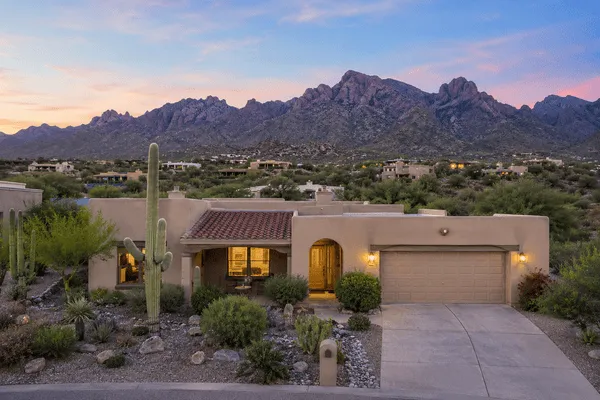
Selling Your Home
Sell your home fast with Ryan Comstock. Benefit from his market expertise, dedicated approach, and strategic marketing.
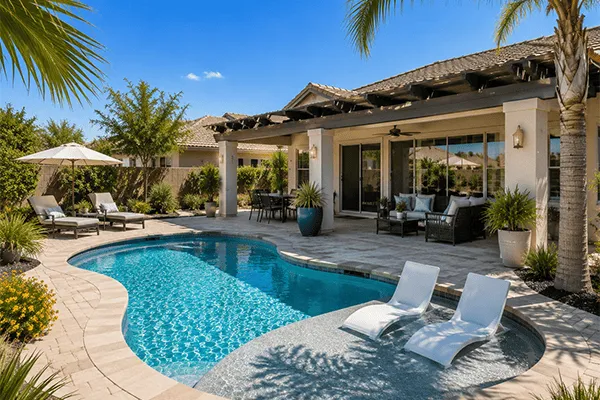
Buying A Home
Find your dream home with Ryan Comstock. Expert guidance, local insights, and personalized service.
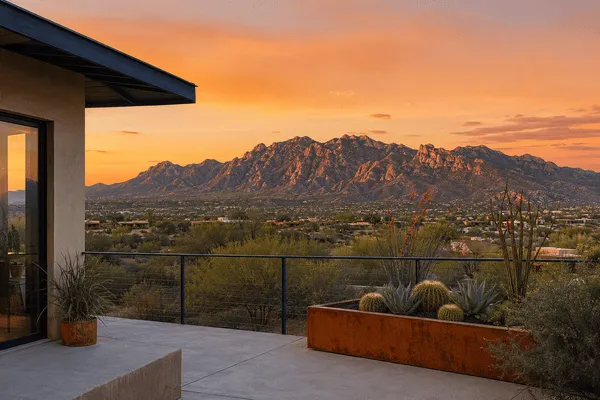
Probate
Sell probate property with Ryan Comstock. Expert probate real estate guidance and local market knowledge you can trust.
Homes with Mountain view
Senior community
Golf Course Homes
Just Listed
Newest Listings
Tucson
Oro Valley
Marana
Sahuarita
Vail
Saddlebrooke
Green Valley
Tanque Verde
Featured Areas
Communities
Market Reports
Stay Ahead with Local Market Insights
Keep up with local real estate through new listings, open houses, recent sales, and market trends — all in one place.
Testimonials
Client Reviews

Let's Talk
Get In Touch
Let's Connect
Blog
Recent Posts

Moving From the Midwest to Tucson, AZ: Complete Guide
Moving From the Midwest to Tucson: A Complete Relocation Guide
Thinking about moving from the Midwest to Tucson, Arizona? Whether you're leaving behind snowy winters in Illinois, Michigan, Ohio, Indiana, Wisconsin, or Missouri, relocating to Southern Arizona can offer a completely different lifestyle.
Tucson is known for its sunny weather, desert landscapes, mountain views, outdoor recreation, and distinctive Southwestern culture. For Midwest residents looking for milder winters, more opportunities to enjoy the outdoors, or a change of pace, Tucson may be worth considering.
However, moving across the country involves more than choosing a new home. You'll need to understand the climate, housing market, cost of living, transportation, and lifestyle differences before making your decision.
In this complete relocation guide, we'll explore what Midwest residents should know before moving to Tucson, Arizona, and how to prepare for a smoother transition.
Why Are People Moving From the Midwest to Tucson?
Every relocation is different, but several factors make Tucson appealing to people leaving the Midwest.
1. Warmer Winters and More Sunshine
One of the biggest differences between the Midwest and Tucson is the winter weather.
Many Midwestern cities experience freezing temperatures, snow, ice, and challenging driving conditions during winter. Tucson generally has mild winters, with plenty of sunny days and opportunities to spend time outside.
Although winter evenings can still be cold, prolonged periods of snow and freezing temperatures are much less common than in many Midwestern locations.
For people who enjoy walking, hiking, golfing, or spending time outdoors, Tucson's winter climate can be a significant lifestyle benefit.
2. Beautiful Desert Scenery and Mountain Views
Tucson offers a landscape that looks very different from the Midwest's forests, lakes, farmland, and rolling green countryside.
The Sonoran Desert features towering saguaros, rugged mountain ranges, desert wildflowers, and dramatic sunsets. Depending on where you live, you may enjoy views of the Catalina Mountains, Rincon Mountains, or Tucson Mountains.
For buyers who appreciate natural scenery, Tucson offers a distinctive setting that can influence both lifestyle and home preferences.
3. Outdoor Recreation Throughout the Year
Tucson provides access to hiking, cycling, golf, mountain biking, and scenic drives.
Popular destinations include Saguaro National Park, Sabino Canyon, and Mount Lemmon. Residents can explore desert trails, enjoy local parks, and discover outdoor activities throughout Southern Arizona.
Summer temperatures can limit midday outdoor activities, but cooler mornings, higher-elevation destinations, and indoor recreation options help residents adapt to the season.
4. A Different Pace of Life
Some people moving from the Midwest appreciate Tucson's combination of urban conveniences and access to nature.
The city offers established neighborhoods, local restaurants, cultural attractions, university life, and a strong Southwestern identity. Nearby communities provide different residential environments, from suburban neighborhoods to foothill properties and homes with larger lots.
The right fit depends on whether you prefer a walkable area, a traditional suburban neighborhood, a golf community, or a quieter setting near the desert.
Midwest vs. Tucson: What Should You Expect?
Relocating to Arizona means adjusting to more than warmer weather.
Category | Many Midwest Cities | Tucson, Arizona |
|---|---|---|
Winter weather | Often cold, with snow and ice | Generally mild, with cool nights |
Summer weather | Often humid, with thunderstorms | Very hot, with intense sunshine and monsoon storms |
Landscape | Green spaces, forests, farmland, and lakes | Desert vegetation, cacti, and mountain ranges |
Outdoor activities | Seasonal activities and four-season recreation | Hiking, cycling, and golf, with summer heat precautions |
Home maintenance | Snow removal and seasonal heating needs | Air conditioning, sun exposure, dust, and desert landscaping |
Transportation | Varies by city and neighborhood | A car is useful for many everyday trips |
Gardening | Often suited to temperate growing seasons | Requires heat-aware planting and desert-adapted landscaping |
These comparisons are general. Conditions vary significantly by Midwest state, Tucson neighborhood, and individual lifestyle.
Understanding Tucson's Climate Before You Move
The climate is one of the most important differences to consider before relocating.
Winters: Mild Days and Cool Nights
Tucson winters are often comfortable during the day, making it possible to enjoy outdoor activities that may be difficult during a Midwestern winter.
However, desert temperatures can drop quickly after sunset. A warm afternoon does not necessarily mean a warm evening, so you'll still want jackets and layers.
Homes can also feel chilly during winter nights, particularly if they have limited insulation or older windows.
Summers: Extreme Heat
Tucson summers are hot, and temperatures regularly reach triple digits during the hottest periods.
If you're moving from a humid Midwest climate, the dry heat may feel different, but it still presents real health and safety concerns. Outdoor activities often need to be scheduled for early morning or evening, and hydration, shade, and reliable air conditioning are essential.
When evaluating homes, pay close attention to the air conditioning system, insulation, window condition, shading, and recent maintenance records.
Monsoon Season: Rain, Wind, and Dust
Tucson's summer monsoon season can bring intense thunderstorms, heavy rainfall, lightning, flash flooding, and dust storms.
If you're unfamiliar with desert weather, learn about flash-flood safety and avoid driving or walking through flooded roadways.
Before purchasing a property, investigate drainage patterns, roof condition, grading, and any known water intrusion or flood-related concerns.
What Is the Cost of Living in Tucson Compared With the Midwest?
Your cost of living may change substantially when moving to Southern Arizona. The outcome depends on where you're moving from, your income, your housing choices, and your spending habits.
Someone relocating from an expensive Midwestern metropolitan area may find some expenses more manageable, while someone leaving a lower-cost rural community may experience higher housing costs.
Housing Costs
Housing is often one of the largest expenses to compare.
Research current home prices, rents, property taxes, homeowners insurance, and homeowners association fees in the specific neighborhoods you're considering.
Tucson offers a range of housing options, including condos, townhomes, single-family homes, newer subdivisions, established neighborhoods, and higher-end properties in areas such as the Catalina Foothills and Oro Valley.
Rather than relying on a single citywide price, compare homes with similar sizes, conditions, features, and locations.
Utilities and Air Conditioning
One adjustment for many Midwest newcomers is the cost of cooling a home during Tucson's hot months.
Electricity use can increase significantly when air conditioning runs frequently. The home's age, insulation, window exposure, system efficiency, and thermostat settings all affect energy consumption.
Before buying, ask whether the seller has available utility bills and review the age and condition of the HVAC system.
Transportation
Tucson has public transportation options, including Sun Tran bus service, but many residents find a personal vehicle convenient for commuting, shopping, medical appointments, and recreation.
If you're moving from a neighborhood where you can walk or use public transportation for most errands, evaluate the distance between your potential home and your regular destinations.
Food, Groceries, and Everyday Expenses
Grocery prices, dining costs, and other everyday expenses depend on shopping habits and the specific products or services you use.
Build a realistic monthly budget rather than assuming every expense will be cheaper because you're moving to Arizona.
Create a Relocation Budget
Before moving, estimate your expenses across the following categories:
Home purchase or rental costs.
Moving company, transportation, and packing.
Utility deposits and service setup.
Vehicle registration and insurance changes.
Homeowners insurance and property taxes.
Electricity and air conditioning.
Furniture, window coverings, and household supplies.
Emergency savings for unexpected expenses.
A detailed budget helps you determine how much home you can comfortably afford after the move.
Best Areas to Consider When Moving to Tucson
Tucson is not a one-size-fits-all destination. Different communities offer different housing options, amenities, commutes, and surroundings.
Oro Valley
Oro Valley is north of Tucson and is known for mountain views, established residential communities, parks, and access to outdoor recreation.
It may appeal to families, retirees, and buyers seeking suburban living near the Catalina Mountains.
When considering Oro Valley, compare commute times, neighborhood amenities, home prices, and access to shopping and healthcare.
Catalina Foothills
The Catalina Foothills area includes a variety of upscale homes, desert landscapes, scenic views, and access to shopping and dining.
Some properties feature hillside settings, pools, and expansive outdoor living spaces.
Buyers should compare property access, elevation, lot characteristics, and maintenance needs. Hillside properties and homes with extensive landscaping may require additional upkeep.
Marana
Marana offers a mix of newer subdivisions, established neighborhoods, and homes near desert and mountain scenery.
Depending on the area, buyers may find community amenities, golf options, and access to outdoor recreation.
Evaluate the commute to Tucson employment centers and the amenities closest to the specific property.
Vail
Southeast of Tucson, Vail offers suburban neighborhoods and access to the Rincon Mountains and surrounding desert.
It can be worth exploring for buyers who prefer a residential setting with access to outdoor recreation.
Consider the distance to work, schools, shopping, healthcare, and other frequently visited destinations before choosing a neighborhood.
Tucson Proper
Living within Tucson provides access to a wide range of established neighborhoods, shopping areas, restaurants, cultural attractions, and employment centers.
Housing styles vary considerably, from historic properties and smaller homes to modern subdivisions and luxury residences.
The right neighborhood depends on your preferred lifestyle, budget, commute, and proximity to everyday amenities.
What Midwest Buyers Should Know About Buying a Home in Tucson
Purchasing a home in a desert climate introduces considerations that may be unfamiliar to buyers from the Midwest.
1. Check the Air Conditioning System
Air conditioning is essential in Tucson. Ask about the system's age, service history, capacity, and performance.
A qualified HVAC professional can assess its condition and identify potential maintenance or replacement needs.
2. Understand the Roof and Sun Exposure
Intense sunshine can affect roofing materials, exterior finishes, and cooling efficiency.
Have the roof inspected and ask about its age, condition, and repair history. Also consider how windows, shade structures, and the home's orientation affect indoor temperatures.
3. Evaluate Landscaping and Water Use
Desert landscaping often includes native plants, gravel, and water-conscious design.
A home with extensive lawns or elaborate landscaping may require different maintenance and irrigation costs than a property designed around desert-adapted plants.
Ask about irrigation systems, plant care, drainage, and any relevant water-use restrictions.
4. Investigate Drainage and Flood Risk
Desert environments can experience intense rainfall over short periods.
Review available flood information, property disclosures, drainage conditions, and insurance considerations. A property outside a mapped high-risk flood zone may still experience localized drainage problems.
5. Review the Full Cost of Ownership
Look beyond the asking price. Include taxes, insurance, utilities, maintenance, HOA fees, commuting costs, and any planned improvements in your decision.
A home that appears affordable upfront may have higher ongoing expenses because of its age, condition, or features.
6. Understand Arizona's Real Estate Process
If you're unfamiliar with purchasing property in Arizona, ask your real estate professional to explain the contract, inspection period, contingencies, closing process, and important deadlines.
You should also review property disclosures and investigate any concerns that arise during inspections.
How to Prepare for a Long-Distance Move to Tucson
A cross-country move is easier to manage when you break it into stages.
Two to Three Months Before Moving
Establish a realistic moving budget.
Decide whether to buy, rent, or stay temporarily.
Research Tucson neighborhoods and commute times.
Request moving estimates and compare services.
Begin sorting, donating, or selling belongings.
Arrange employment, school, and healthcare transitions as needed.
One Month Before Moving
Confirm your moving company and arrival dates.
Organize important documents.
Schedule utility transfers and service installations.
Update your mailing address and notify relevant institutions.
Plan travel arrangements for family members and pets.
Arrange temporary accommodation if your new home will not be ready.
During the Final Week
Pack essentials separately.
Keep identification, medications, valuables, and important paperwork accessible.
Confirm access arrangements for the new home.
Prepare for hot weather if you're moving during summer.
Check the condition of the home before accepting delivery of your belongings.
After Arriving in Tucson
Locate nearby grocery stores, pharmacies, healthcare providers, and other essential services.
Learn local driving routes and alternative commute options.
Review Arizona driver's license and vehicle registration requirements.
Check smoke detectors, HVAC filters, irrigation, and other important home systems.
Explore nearby parks, restaurants, and community activities.
If you're establishing Arizona residency, consult the Arizona Motor Vehicle Division for applicable licensing and vehicle registration deadlines.
What to Bring—and What to Leave Behind
Moving from the Midwest to Tucson can be an opportunity to simplify your belongings.
You may still need winter clothing for trips back home, cold desert evenings, and visits to higher elevations such as Mount Lemmon. However, heavy snow equipment and extensive winter gear may be less necessary for everyday life in Tucson.
Consider bringing:
Lightweight clothing for hot weather.
Comfortable walking and hiking shoes.
A few warm layers for winter evenings.
Sun protection, including hats and sunglasses.
Items that are difficult or expensive to replace.
Furniture that suits your new home's size and layout.
Before moving large furniture, measure doorways, rooms, and storage spaces in your new home. This can prevent unnecessary moving expenses and help you decide what to keep.
Common Mistakes to Avoid When Relocating From the Midwest
Choosing a Home Without Visiting the Area
Online listings can show a property's features, but they cannot fully communicate neighborhood traffic, noise, access, or the surrounding environment.
Whenever possible, visit the area and tour homes in person. If that isn't feasible, request live video tours and investigate the neighborhood carefully.
Underestimating Summer Heat
The dry climate can still be dangerous during extreme heat. Plan outdoor activities around cooler hours and make sure your home has reliable cooling.
Focusing Only on the Purchase Price
A home's purchase price is only part of its financial impact. Consider utilities, insurance, maintenance, taxes, transportation, and other recurring costs.
Ignoring the Commute
Two homes may have similar prices but very different travel times. Test your likely commute during typical travel periods before deciding where to live.
Buying Before Understanding the Neighborhood
Consider access to healthcare, shopping, schools if relevant, recreational amenities, and the services you use most often.
Taking time to compare neighborhoods can help you choose a home that suits your everyday routine rather than just its appearance.
Is Tucson a Good Place to Live After the Midwest?
Tucson may be a good fit if you enjoy sunshine, desert scenery, outdoor recreation, and a lifestyle that differs from the traditional four-season Midwest experience.
It may be less appealing if you strongly prefer green landscapes, frequent summer rain, cold-weather recreation, or a climate without prolonged extreme heat.
Before moving, consider these questions:
Do you prefer mild winters or four distinct seasons?
Are you comfortable adjusting your schedule during hot weather?
Do you want suburban living, an urban neighborhood, or a home with more land?
How important are commute times and public transportation?
What housing and ongoing expenses fit your budget?
Will Tucson support your employment, retirement, and family goals?
Answering these questions before you move can help you make a more confident decision.
Frequently Asked Questions About Moving From the Midwest to Tucson
Is it worth moving from the Midwest to Tucson, Arizona?
It can be, especially for people who value mild winters, sunshine, desert scenery, and outdoor recreation. Whether the move is worthwhile depends on your budget, employment, lifestyle preferences, and comfort with Tucson's summer heat.
Is housing cheaper in Tucson than in the Midwest?
It depends on your current city and the type of home you want. Compare recent sales, rental prices, property taxes, insurance, and ongoing expenses in specific neighborhoods rather than assuming Tucson is universally cheaper.
What is the biggest adjustment when moving to Tucson?
For many newcomers, the biggest adjustments are extreme summer heat, greater dependence on air conditioning, desert landscaping, and the need to plan outdoor activities around temperatures and monsoon weather.
Which Tucson-area communities should Midwest retirees consider?
Oro Valley, the Catalina Foothills, Marana, Vail, and Tucson itself all offer different housing and lifestyle options. The best choice depends on your budget, preferred amenities, healthcare access, and daily routine.
Do I need a car to live in Tucson?
A car is useful for many residents because destinations can be spread out across the metropolitan area. Public transportation is available, but its convenience depends on where you live and where you need to go.
When is the best time to move to Tucson?
Fall, winter, and spring can offer more comfortable conditions for moving and exploring neighborhoods. Summer moves are possible, but you should plan carefully for extreme heat, especially when loading, unloading, and transporting belongings.
Should I buy a home before moving to Tucson?
Buying before relocating may work for some buyers, but renting temporarily can provide time to explore neighborhoods and understand local conditions. If you decide to buy remotely, use thorough inspections, detailed property research, and reliable local representation.
How do I find the right real estate agent for a Tucson relocation?
Look for an agent who understands the local market, can explain differences between neighborhoods, communicates clearly, and helps you evaluate homes based on your needs and budget.
Final Thoughts: Make Your Move to Tucson With Confidence
Moving from the Midwest to Tucson can be an exciting opportunity to experience a different climate, landscape, and lifestyle. The key to a successful relocation is understanding what will change, planning your budget, and finding a home that supports your long-term goals.
From comparing neighborhoods and evaluating home maintenance needs to preparing for desert weather, thoughtful planning can help you avoid common relocation mistakes.
If Tucson is on your shortlist, take the time to explore the communities that interest you, understand the local housing market, and consider what matters most in your next home.
Planning a Move to Tucson, Arizona?
Ryan Comstock, Owner/Broker of Comstock Real Estate, helps buyers explore real estate opportunities throughout Tucson and Southern Arizona.
Whether you're moving from Illinois, Michigan, Ohio, Wisconsin, Indiana, or another Midwestern state, local guidance can help you compare neighborhoods, understand your options, and find a property that fits your lifestyle.
Contact Ryan Comstock | Owner / Broker
Comstock Real Estate
Phone: 520-261-4669
Email: [email protected]
Website: www.ryancomstock.com
Office: 177 N Church Ave #703, Tucson, AZ 85701
Experience. Integrity. Results.
This article is for general informational purposes only. Housing prices, expenses, transportation options, and other local conditions may change. Verify current information before making relocation or real estate decisions.

Need More Info?
Read Faq's
What should I look for in a Realtor in Tucson, AZ?
When seeking a Realtor in Tucson, AZ, it's essential to consider their local market knowledge, experience in the Tucson area, and client testimonials. A knowledgeable Realtor like Ryan Comstock can guide you through neighborhoods like Oro Valley or the revitalized downtown area while providing insights into local amenities and schools.
How do I find the Best Realtor in Tucson, AZ?
To find the Best Realtor in Tucson, AZ, start by researching online reviews and asking for recommendations from friends or family. Look for real estate agents who specialize in Tucson properties and have a proven track record, such as Ryan Comstock, who understands the unique aspects of the Tucson market, including its diverse home styles and community events.
What is the average home price in Tucson, AZ?
The average home price in Tucson, AZ, can vary based on location and property type. As of now, homes typically range from $250,000 to $450,000. Working with a knowledgeable Real Estate Agent, like Ryan Comstock, can help you identify options that fit your budget while navigating Tucson's vibrant neighborhoods.
Is Tucson a good place to invest in real estate?
Yes, Tucson is a great place to invest in real estate due to its affordable housing market, strong rental demand, and steady job growth. With the influence of the University of Arizona and its cultural attractions, working with an experienced Realtor in Tucson, AZ can help investors capitalize on the city’s growth potential.
What neighborhoods in Tucson should I consider?
Tucson is home to a variety of neighborhoods suitable for different lifestyles. Consider areas like Catalina Foothills for luxury homes, Midtown for convenience, and Downtown Tucson for a vibrant arts scene. A top Real Estate Agent like Ryan Comstock can provide tailored recommendations based on your preferences.
How long does it typically take to sell a home in Tucson, AZ?
The time it takes to sell a home in Tucson varies but generally ranges from 30 to 90 days, depending on market conditions and the property's price. Partnering with a proactive Realtor in Tucson, AZ can significantly streamline the selling process by employing effective marketing strategies.


Disclaimer: All information contained on this website is deemed reliable but not guaranteed. All properties are subject to prior sale, change or withdrawal notice ryancomstock.com believes all information to be correct but assumes no legal responsibility for accuracy.