How Much Is Your Home Worth?

Top Realtor in Tucson, AZ – Buy or Sell Your Dream Home Today
Helping You Buy, Sell & Maximize Your Home’s Value in Tucson, AZ
Exclusive Properties
Featured Listings
Historic El Presidio Inn Lists for $1.3M in Tucson with Ryan Comstock.
A Rare Look Inside One of The Most Historic Homes with Ryan Comstock.
Tucson Real Estate News
Insights
As seen on







Meet Your Realtor®
Ryan Comstock

Ryan Comstock is a Top 1% Realtor in Tucson, AZ, with 20+ years of experience and 900+ homes sold across Southern Arizona. Serving the Tucson area since 2006, Ryan is consistently recognized as one of the best Realtors in Tucson, known for award-winning customer service across residential, luxury, and estate sales. He serves Tucson, Oro Valley, Marana, Sahuarita, Vail, and surrounding communities.
Homes Sold
Years of Experience
5 Star Reviews
Top 1% of Realtors in America
Certified Probate Real Estate Specialist (CPRES)
Why Work With Ryan
Accolades
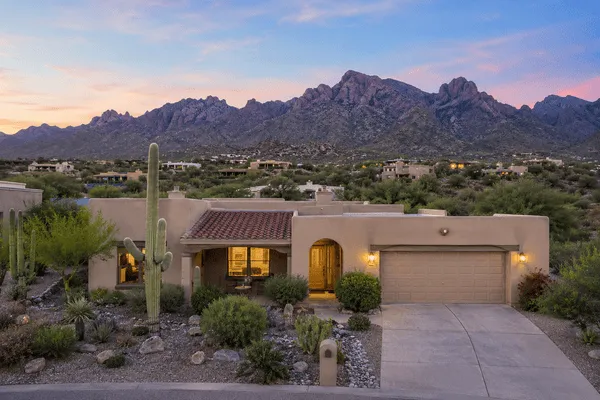
Selling Your Home
Sell your home fast with Ryan Comstock. Benefit from his market expertise, dedicated approach, and strategic marketing.
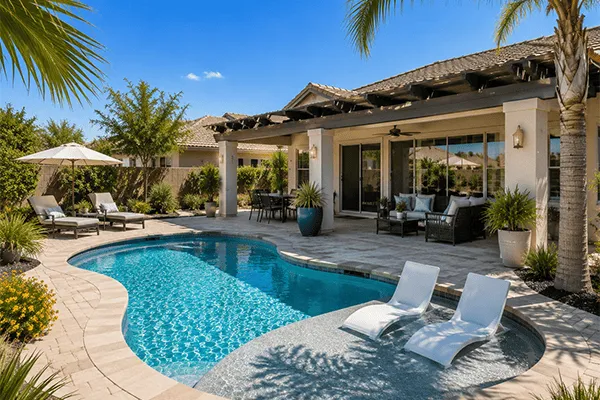
Buying A Home
Find your dream home with Ryan Comstock. Expert guidance, local insights, and personalized service.
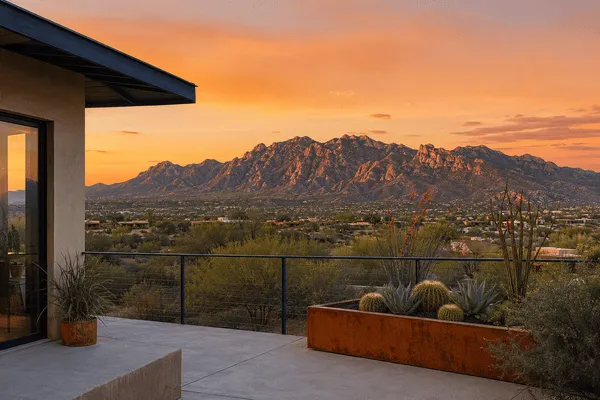
Probate
Sell probate property with Ryan Comstock. Expert probate real estate guidance and local market knowledge you can trust.
Homes with Mountain view
Senior community
Golf Course Homes
Just Listed
Newest Listings
Tucson
Oro Valley
Marana
Sahuarita
Vail
Saddlebrooke
Green Valley
Tanque Verde
Featured Areas
Communities
Market Reports
Stay Ahead with Local Market Insights
Keep up with local real estate through new listings, open houses, recent sales, and market trends — all in one place.
Testimonials
Client Reviews

Let's Talk
Get In Touch
Let's Connect
Blog
Recent Posts
Should Retirees Downsize? Buy a Smaller Home or Stay Where You Are?
Should Retirees Buy a Smaller Home or Stay Where They Are?
Retirement often brings a new perspective on homeownership. After years of maintaining a family home, raising children, building equity, and creating memories, many homeowners begin asking an important question: Is it time to move into something smaller, or does it make more sense to stay right where we are?
For some retirees, buying a smaller home offers financial flexibility, less maintenance, and a lifestyle that better fits their current needs. For others, staying in their existing home provides comfort, familiarity, and the freedom to enjoy retirement without the stress of moving.
There is no one-size-fits-all answer. The right decision depends on your finances, health, property condition, family needs, and plans for the years ahead.
If you are approaching retirement or already enjoying it in Southern Arizona, here are the most important factors to consider before deciding whether to downsize or stay in your current home.
1. The Financial Benefits of Downsizing
One of the biggest reasons retirees consider buying a smaller home is the potential to reduce housing expenses.
A larger home may have made perfect sense when children lived at home or when you needed extra space for work, hobbies, and entertaining. But as your lifestyle changes, maintaining that space may no longer be necessary.
Selling a larger property and purchasing a smaller one could potentially free up some of your home equity.
Potential financial advantages include:
Lower monthly mortgage payments, if you need financing.
Reduced property maintenance and repair expenses.
Lower utility bills in a smaller, more efficient home.
Less money spent on landscaping, cleaning, and upkeep.
The possibility of using remaining proceeds to support retirement goals.
However, downsizing does not automatically mean saving money. A smaller home in a desirable retirement community may cost more than expected. Closing costs, moving expenses, repairs, furnishings, and homeowners association fees can also affect your budget.
Before making a decision, compare the total cost of staying in your current home with the complete cost of selling and purchasing another property.
2. The Benefits of Staying in Your Current Home
Moving is not always the best financial or personal decision. If your current home is affordable, comfortable, and suitable for your future needs, staying may be the smarter option.
There are several advantages to remaining in a familiar home.
You avoid the costs of moving. Selling and buying involve expenses such as real estate commissions, closing costs, inspections, moving services, and potential repairs.
You maintain your familiar surroundings. You may already have established relationships with neighbors, nearby family members, doctors, and local businesses.
You keep the home you love. A house is more than square footage. It may hold decades of memories and provide a sense of stability that is difficult to replace.
You maintain control over your environment. If you enjoy your neighborhood, outdoor space, workshop, garden, or guest rooms, there may be little reason to give them up.
Staying can be especially appealing if your home is paid off or has a manageable monthly payment.
3. Consider the Maintenance and Upkeep of Your Home
One of the biggest lifestyle changes during retirement is deciding how much time and money you want to spend maintaining a property.
A larger home may require more attention than you want to give it.
Think about the responsibilities involved in maintaining your current property:
Yard work and landscaping.
Pool maintenance.
Roof repairs and exterior upkeep.
Cleaning multiple bedrooms and bathrooms.
Maintaining older appliances and systems.
Managing repairs and unexpected expenses.
In Tucson and surrounding Southern Arizona communities, homeowners may also need to consider desert landscaping, irrigation systems, pool equipment, air conditioning maintenance, and roof exposure to intense sun.
A smaller home may reduce some of these responsibilities, but it is important to evaluate the actual property rather than assume that smaller always means easier.
For example, a single-story home with a manageable yard may be easier to maintain than a smaller two-story property with extensive outdoor features.
4. Think About Accessibility and Aging in Place
Your current home may work perfectly today, but will it continue to meet your needs in the future?
This is an important question for retirees who want to remain independent for as long as possible.
Aging in place means continuing to live in your own home safely and comfortably as your needs change.
Before deciding to stay, consider whether your property can accommodate potential mobility or accessibility needs.
Features worth evaluating include:
Single-story floor plans.
Minimal steps at entrances.
Wider doorways and hallways.
Walk-in showers.
Accessible bathrooms.
Good lighting throughout the home.
Easy access to laundry and kitchen areas.
Bedrooms and bathrooms on the main level.
If your existing home can be modified to improve accessibility, staying may be a practical option.
However, if significant renovations are necessary, compare those costs with purchasing a home that already has the features you want.
5. Would a Smaller Home Better Match Your Retirement Lifestyle?
Retirement can create opportunities to spend more time doing the things you enjoy.
You may want to travel, visit family, pursue hobbies, volunteer, or spend more time outdoors. If your current home requires constant attention, it may limit the flexibility you want.
A smaller home could provide a simpler lifestyle with fewer responsibilities.
For retirees considering a move to the Tucson area, there are several types of properties worth exploring:
Single-story homes with practical floor plans.
Low-maintenance properties with smaller yards.
Homes in communities with shared amenities.
Condominiums and townhomes.
Active-adult communities, where available.
Properties closer to shopping, healthcare, and everyday services.
Some retirees may also prefer communities with golf courses, walking paths, recreation centers, or organized social activities.
The goal is not necessarily to buy the smallest home possible. It is to find a property that supports the lifestyle you want during retirement.
6. Compare the True Cost of Staying Versus Moving
Before making a decision, look beyond the sale price of your current home or the purchase price of a smaller property.
You need to understand the full financial picture.
Financial consideration | Staying in your home | Buying a smaller home |
|---|---|---|
Mortgage | May already be paid off or manageable | May require new financing |
Property taxes | Continue based on applicable assessments and exemptions | Depend on the new property's assessment and local rules |
Maintenance | Depends on the home's age and condition | May be lower, but not guaranteed |
Utilities | May be higher in a larger home | Could be lower with less space |
Moving expenses | Generally avoided | Must be included in the budget |
Closing costs | Usually none from staying | Apply when selling and purchasing |
Home equity | Remains invested in the property | Some equity may become available after the sale and purchase |
It is also important to remember that selling a home and purchasing another one can have tax and financial implications.
For example, eligible homeowners may qualify for a federal capital gains exclusion when selling a primary residence, subject to ownership, use, and other IRS requirements. Arizona property tax rules and exemptions may also affect your calculations.
Consult a qualified tax professional or financial advisor before making a major decision based on expected proceeds or tax savings.
7. Consider Where You Want to Live During Retirement
Your decision should not be based on the house alone. The surrounding community can have just as much impact on your retirement lifestyle.
For example, you may love your current property but find that it is becoming inconvenient to drive long distances for appointments, shopping, or social activities.
If you are considering a move within the Tucson area, think about how close you want to be to:
Healthcare providers and medical facilities.
Grocery stores, pharmacies, and shopping centers.
Family members and friends.
Restaurants and entertainment.
Parks, walking paths, and recreational facilities.
Community centers and social activities.
Some retirees prefer the convenience of living closer to downtown Tucson, while others enjoy quieter residential areas in Oro Valley, Marana, Vail, or Sahuarita.
The best location depends on your priorities. A home that offers less space but puts everyday conveniences within easier reach may be a worthwhile trade-off.
8. Understand Arizona Property Taxes Before Making a Move
Property taxes are another important part of the decision, particularly for retirees living on a fixed income.
Arizona has a Property Valuation Protection Option, commonly called the Senior Freeze Program. Qualified homeowners may be eligible to have the limited property value of their primary residence frozen for a renewable three-year period.
However, this program does not freeze the entire property tax bill. Tax rates and other factors can still affect the amount owed. Eligibility requirements apply, and homeowners should contact their county assessor for current information.
Arizona Department of Revenue+1
If you are considering moving, do not automatically assume that the property tax situation at your new home will be the same as your current one.
For retirees in Pima County, review the Pima County Senior Valuation Protection information before making a decision.
9. Don't Overlook the Emotional Side of Downsizing
The financial and practical considerations are important, but there is also an emotional side to deciding whether to move.
Your current home may be where you raised your family, celebrated holidays, welcomed grandchildren, and built years of memories. Leaving can be difficult, even when moving makes sense financially.
Downsizing may also mean sorting through years of belongings, deciding what to keep, and adjusting to a different environment.
Before listing your home, take time to think about what you would gain and what you might miss.
You do not have to rush the decision. Visit communities you are considering, tour different property types, and imagine what your everyday routine might look like in a new home.
A successful move should improve your quality of life, not simply reduce your square footage.
10. Questions to Ask Before Deciding to Downsize
If you are still unsure whether to stay or move, start with these questions:
Is my current home affordable based on my retirement income?
Can I comfortably maintain the property?
Will my home accommodate my needs as I get older?
Would a smaller home reduce my monthly expenses?
How much equity could I potentially access by selling?
Would I need a mortgage to purchase another property?
Are there homes available in locations that better fit my lifestyle?
How important is it to remain close to family, friends, and familiar surroundings?
Would renovating my current home be more practical than moving?
Where do I see myself living five or ten years from now?
Your answers can help clarify whether staying, renovating, or downsizing is the most practical next step.
11. Should You Sell Your Home Before Buying a Smaller One?
If you decide that downsizing is the right choice, you will also need to consider the timing of your sale and purchase.
Some retirees prefer to sell their existing home first so they know how much money they will have available for their next purchase. Others may want to find their next home before putting their current property on the market.
Both approaches have advantages and potential challenges.
Selling first may help you:
Understand your available proceeds.
Establish a more accurate purchasing budget.
Avoid carrying two housing payments.
Make an offer without relying on an uncertain future sale.
Buying first may help you:
Find a property that meets your needs before committing to a move.
Avoid feeling rushed to purchase another home.
Plan your move around the availability of your next property.
The best approach depends on your finances, the local housing market, and the availability of suitable homes.
A local real estate professional can help you understand the options, evaluate your current property's market value, and develop a plan that coordinates both transactions.
12. A Note About Taxes When Selling Your Retirement Home
For some homeowners, selling a long-time residence may create a significant capital gain.
The IRS allows eligible homeowners to exclude up to $250,000 of gain from the sale of a primary residence, or up to $500,000 for eligible married couples filing jointly. Generally, homeowners must meet ownership and residence requirements, along with other conditions.
Internal Revenue Service+1
This is not an automatic exemption for every home sale. Your individual circumstances, property use, ownership history, and previous home sales can affect eligibility.
Before selling, speak with a qualified tax professional to understand how the transaction may affect your retirement finances.
Frequently Asked Questions About Downsizing in Retirement
Is downsizing a good idea for retirees?
Downsizing can be beneficial for retirees who want less maintenance, lower housing expenses, or a home that better fits their current lifestyle. However, it is not always the best option. Homeowners should compare the cost of moving with the benefits of staying in their existing property.
At what age should retirees consider downsizing?
There is no specific age when someone should downsize. The decision depends on financial circumstances, health, mobility, property maintenance, and personal preferences. Some homeowners move shortly after retirement, while others remain in their homes for many years.
Is it better to pay off your home before retirement?
Having a paid-off home can reduce monthly housing expenses and provide financial stability. However, retirees should also consider property taxes, insurance, utilities, repairs, and maintenance. A mortgage-free home can still be expensive to maintain.
Should retirees buy a single-story home?
A single-story home can be a practical choice for retirees because it eliminates the need to use stairs between floors. Features such as accessible bathrooms, minimal steps, wider doorways, and convenient parking may also make a property more comfortable over time.
Are there retirement communities in the Tucson area?
Yes. The greater Tucson area offers a variety of housing options, including active-adult communities, condominiums, townhomes, golf communities, and traditional single-family homes. Options vary by location, amenities, pricing, and community requirements.
Should I renovate my current home or buy a smaller one?
Compare the estimated renovation costs with the total cost of selling and purchasing another property. If your current home has a suitable location and can be modified to meet your future needs, renovating may be worthwhile. If it requires extensive work or no longer fits your lifestyle, moving may make more sense.
Will I save money by buying a smaller home?
Possibly, but not always. A smaller home may have lower utility and maintenance expenses, but the purchase price, property taxes, insurance, HOA fees, and transaction costs all matter. Compare the complete cost of ownership before deciding.
Final Thoughts: Make Your Next Home Decision About Your Future
Deciding whether to buy a smaller home or stay where you are is one of the most personal real estate decisions you may make during retirement.
For some homeowners, downsizing creates an opportunity to simplify life, access home equity, and enjoy a property that better matches their needs. For others, staying in a familiar home offers comfort, stability, and the freedom to enjoy the surroundings they already love.
The right decision is the one that supports your financial goals, everyday comfort, and long-term plans.
If you are considering downsizing in Tucson, Oro Valley, Marana, Vail, or Sahuarita, understanding your home's current market value is a helpful place to start. You can explore your options without committing to a move before you are ready.
Thinking About Downsizing in Tucson, Arizona?
Whether you are considering selling your longtime family home, purchasing a smaller property, or simply exploring your retirement housing options, having an experienced local real estate professional can help you make an informed decision.
Ryan Comstock | Owner / Broker
Comstock Real Estate
20+ Years of Experience | 900+ Homes Sold
Experience. Integrity. Results.
Call or Text: 520-261-4669
Email: [email protected]
Website: www.ryancomstock.com
Office: 177 N Church Ave #703, Tucson, AZ 85701
Serving Tucson, Oro Valley, Marana, Vail, Sahuarita, and surrounding Southern Arizona communities.

Need More Info?
Read Faq's
What should I look for in a Realtor in Tucson, AZ?
When seeking a Realtor in Tucson, AZ, it's essential to consider their local market knowledge, experience in the Tucson area, and client testimonials. A knowledgeable Realtor like Ryan Comstock can guide you through neighborhoods like Oro Valley or the revitalized downtown area while providing insights into local amenities and schools.
How do I find the Best Realtor in Tucson, AZ?
To find the Best Realtor in Tucson, AZ, start by researching online reviews and asking for recommendations from friends or family. Look for real estate agents who specialize in Tucson properties and have a proven track record, such as Ryan Comstock, who understands the unique aspects of the Tucson market, including its diverse home styles and community events.
What is the average home price in Tucson, AZ?
The average home price in Tucson, AZ, can vary based on location and property type. As of now, homes typically range from $250,000 to $450,000. Working with a knowledgeable Real Estate Agent, like Ryan Comstock, can help you identify options that fit your budget while navigating Tucson's vibrant neighborhoods.
Is Tucson a good place to invest in real estate?
Yes, Tucson is a great place to invest in real estate due to its affordable housing market, strong rental demand, and steady job growth. With the influence of the University of Arizona and its cultural attractions, working with an experienced Realtor in Tucson, AZ can help investors capitalize on the city’s growth potential.
What neighborhoods in Tucson should I consider?
Tucson is home to a variety of neighborhoods suitable for different lifestyles. Consider areas like Catalina Foothills for luxury homes, Midtown for convenience, and Downtown Tucson for a vibrant arts scene. A top Real Estate Agent like Ryan Comstock can provide tailored recommendations based on your preferences.
How long does it typically take to sell a home in Tucson, AZ?
The time it takes to sell a home in Tucson varies but generally ranges from 30 to 90 days, depending on market conditions and the property's price. Partnering with a proactive Realtor in Tucson, AZ can significantly streamline the selling process by employing effective marketing strategies.


Disclaimer: All information contained on this website is deemed reliable but not guaranteed. All properties are subject to prior sale, change or withdrawal notice ryancomstock.com believes all information to be correct but assumes no legal responsibility for accuracy.