How Much Is Your Home Worth?

Top Realtor in Tucson, AZ – Buy or Sell Your Dream Home Today
Helping You Buy, Sell & Maximize Your Home’s Value in Tucson, AZ
Exclusive Properties
Featured Listings
Historic El Presidio Inn Lists for $1.3M in Tucson with Ryan Comstock.
A Rare Look Inside One of The Most Historic Homes with Ryan Comstock.
Tucson Real Estate News
Insights
As seen on







Meet Your Realtor®
Ryan Comstock

Ryan Comstock is a Top 1% Realtor in Tucson, AZ, with 20+ years of experience and 900+ homes sold across Southern Arizona. Serving the Tucson area since 2006, Ryan is consistently recognized as one of the best Realtors in Tucson, known for award-winning customer service across residential, luxury, and estate sales. He serves Tucson, Oro Valley, Marana, Sahuarita, Vail, and surrounding communities.
Homes Sold
Years of Experience
5 Star Reviews
Top 1% of Realtors in America
Certified Probate Real Estate Specialist (CPRES)
Why Work With Ryan
Accolades
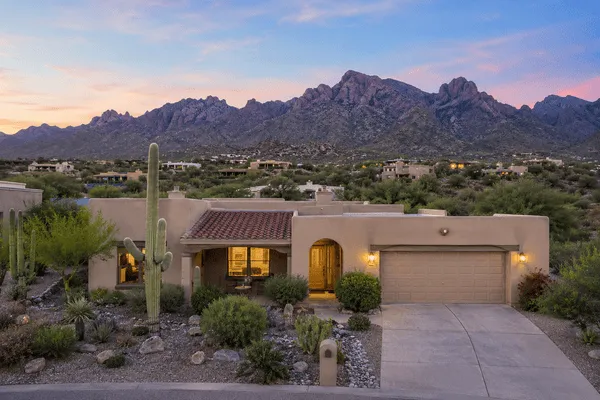
Selling Your Home
Sell your home fast with Ryan Comstock. Benefit from his market expertise, dedicated approach, and strategic marketing.
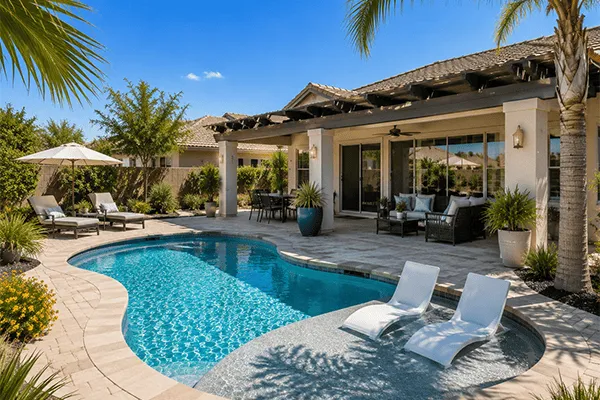
Buying A Home
Find your dream home with Ryan Comstock. Expert guidance, local insights, and personalized service.
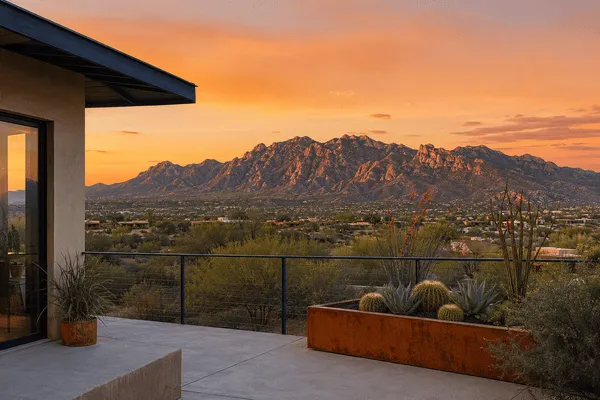
Probate
Sell probate property with Ryan Comstock. Expert probate real estate guidance and local market knowledge you can trust.
Homes with Mountain view
Senior community
Golf Course Homes
Just Listed
Newest Listings
Tucson
Oro Valley
Marana
Sahuarita
Vail
Saddlebrooke
Green Valley
Tanque Verde
Featured Areas
Communities
Market Reports
Stay Ahead with Local Market Insights
Keep up with local real estate through new listings, open houses, recent sales, and market trends — all in one place.
Testimonials
Client Reviews

Let's Talk
Get In Touch
Let's Connect
Blog
Recent Posts

The Complete Guide to Retiring in Tucson, Arizona
Retirement is an opportunity to rethink where and how you want to live. For some people, that means moving closer to family. For others, it means finding a home with less maintenance, enjoying more outdoor activities, or settling in a community that supports their next chapter.
For many retirees, retiring in Tucson, Arizona, offers an appealing combination of sunshine, desert scenery, outdoor recreation, and a variety of housing options. The greater Tucson area includes established neighborhoods, active adult communities, low-maintenance homes, and properties with mountain views.
However, choosing where to retire involves more than finding a home you like. You should also consider your retirement budget, healthcare access, transportation, summer temperatures, property maintenance, and how your needs may change over time.
As a Tucson-area real estate professional, Ryan Comstock of Comstock Real Estate helps buyers and sellers navigate the local housing market. With more than 20 years of experience and over 900 homes sold, Ryan understands the importance of choosing a property that fits your lifestyle, priorities, and long-term plans.
This guide explores what to consider before retiring in Tucson and how to find a community that feels right for you.
1. Why Consider Retiring in Tucson, Arizona?
Tucson offers a distinctive retirement lifestyle shaped by its desert environment, cultural attractions, and access to outdoor recreation.
Before deciding whether the area is right for you, consider the advantages as well as the potential challenges.
Sunshine and Outdoor Recreation
Tucson is known for its sunny climate, desert landscapes, and access to outdoor activities. Depending on your interests and mobility, you can enjoy walking, hiking, cycling, birdwatching, photography, and golf.
Many retirees appreciate being able to spend time outdoors during the cooler months. Summer, however, can bring extreme heat, so outdoor activities often require early starts, shade, hydration, and careful planning.
A Variety of Housing Options
Retirees can explore different types of homes throughout the Tucson area, including:
Single-story homes with practical layouts
Condominiums and townhomes
Low-maintenance properties
Active adult communities
Homes with golf course or mountain views
Larger properties for hobbies, guests, or additional privacy
The right option depends on your budget, preferred lifestyle, desired level of maintenance, and whether you plan to live alone, with a partner, or near family.
Culture, Dining, and Local Attractions
Tucson offers museums, restaurants, historic neighborhoods, community events, and cultural attractions. Its food scene reflects a blend of regional, Mexican, and Southwestern influences.
For retirees who enjoy exploring their surroundings, the city provides opportunities to stay socially engaged and discover new interests.
Access to Nature
The Tucson area provides access to desert parks, scenic drives, and mountain recreation. Mount Lemmon, for example, offers a higher-elevation environment that differs significantly from the desert floor.
Your preferred location can influence how easily you access trails, golf courses, parks, shopping, and other amenities.
2. Understand the Cost of Retiring in Tucson
One of the most important steps in retirement planning is understanding the full cost of living in your chosen community.
Housing expenses are only one part of the equation. Utilities, insurance, healthcare, transportation, HOA fees, property maintenance, and leisure activities can all affect your monthly budget.
Rather than assuming Tucson will be inexpensive, evaluate the actual costs associated with the lifestyle you want.
Retirement Expenses to Include in Your Budget
Expense | What to consider |
|---|---|
Housing | Purchase price, mortgage payments, or rent |
Property taxes | Current taxes and potential changes after a purchase |
Homeowners insurance | Coverage, deductibles, and property-specific risks |
HOA fees | Monthly or annual costs and included services |
Utilities | Electricity, water, gas, internet, and seasonal cooling expenses |
Maintenance | HVAC service, roof repairs, plumbing, landscaping, and general upkeep |
Healthcare | Insurance premiums, prescriptions, appointments, and out-of-pocket expenses |
Transportation | Vehicle expenses, fuel, insurance, and access to services |
Recreation | Golf, travel, dining, hobbies, and community activities |
Plan for Summer Utility Costs
Tucson summers can be extremely hot, making reliable air conditioning essential for many households.
When evaluating a property, ask about the age and condition of its HVAC system. Also consider insulation, window quality, roof condition, sun exposure, shade, and the home's maintenance history.
These factors can influence indoor comfort and energy consumption. Actual utility costs will vary by household, equipment, property design, and personal preferences.
Review Arizona Property Taxes
Property taxes should be part of your retirement budget. Tax amounts vary by property, assessed value, applicable tax rates, and other factors.
Arizona may offer certain property tax relief programs for eligible residents, but eligibility requirements and benefits vary. Do not assume you qualify for a specific exemption or reduction without confirming the current rules with the appropriate county or state office.
Before purchasing a retirement home, review the property's tax information and ask a qualified tax professional about how the purchase could affect your finances.
3. Explore the Best Places to Retire Near Tucson
There is no single best retirement community for everyone. Some people want restaurants and cultural activities nearby, while others prefer a quieter neighborhood, mountain scenery, golf, or a home with less upkeep.
Here are several Tucson-area locations worth exploring.
Tucson: Convenience and Variety
Tucson offers a wide range of residential options, from established neighborhoods and condominiums to newer developments and homes with desert or mountain views.
Retirees may appreciate access to restaurants, shopping, cultural attractions, medical services, and recreational opportunities.
Consider Tucson if you want:
A variety of home styles and neighborhoods
Access to city amenities
Cultural activities and local events
Different options for home size and maintenance
Because Tucson is geographically diverse, evaluate individual neighborhoods rather than treating the entire city as one housing market.
Oro Valley: Suburban Living and Mountain Views
North of Tucson, Oro Valley offers residential communities, parks, recreational opportunities, and views of the surrounding mountains.
Some buyers are drawn to its suburban setting and access to outdoor activities. Housing choices vary by neighborhood, so compare home prices, HOA requirements, property features, and access to services.
Consider Oro Valley if you want a suburban environment with scenic surroundings and convenient access to the greater Tucson area.
Marana: Newer Developments and Community Amenities
Marana includes established neighborhoods, newer residential developments, shopping areas, and access to outdoor recreation.
Depending on the location, retirees may find single-family homes, planned communities, and properties with different levels of maintenance.
Consider Marana if you want to compare a range of suburban housing options and community amenities outside central Tucson.
Vail: A More Suburban Setting
Located southeast of Tucson, Vail offers residential communities and access to outdoor recreation.
Buyers should evaluate travel times to medical providers, shopping, family, and other frequently visited destinations. A home that seems ideal on a weekend visit may feel less convenient if everyday errands require substantial driving.
Consider Vail if you want a residential environment and are comfortable with the location's transportation and service-access considerations.
Sahuarita: Planned Communities and Recreation
South of Tucson, Sahuarita offers planned residential developments, parks, and recreational facilities.
Some communities may appeal to retirees seeking neighborhood amenities and a suburban setting. Compare association fees, restrictions, home layouts, and travel times before deciding.
Consider Sahuarita if you want to explore planned communities and housing options south of Tucson.
4. Are 55-Plus and Active Adult Communities Right for You?
Active adult communities can be attractive to retirees who want shared amenities, organized activities, or a neighborhood with residents in a similar stage of life.
However, these communities differ considerably. Some focus on recreation and social events, while others emphasize lower-maintenance living or particular housing styles.
Potential Benefits
Depending on the community, amenities and services may include:
Clubhouses and social gathering spaces
Swimming pools and fitness facilities
Golf courses or nearby recreational opportunities
Organized activities, classes, and clubs
Walking paths and common areas
Exterior maintenance services
A neighborhood environment designed for active adult living
Not every community offers all these features, and amenities may come with additional fees or restrictions.
What to Check Before Buying
Before purchasing a home in an active adult community, review the following:
Age and occupancy rules: Confirm who may live in the property and whether any age-related requirements apply.
HOA fees: Understand the amount, payment schedule, and services included.
Special assessments: Ask about planned projects or additional charges.
Community rules: Review restrictions concerning pets, rentals, renovations, parking, and property use.
Amenities: Verify which facilities are included and whether any require separate membership fees.
Maintenance responsibilities: Determine what you must maintain yourself and what the association handles.
Future resale: Consider whether the community's rules and fees may affect the pool of potential buyers.
A community can look appealing during a tour, but the governing documents and actual ownership costs deserve equal attention.
5. Popular Retirement Communities Near Tucson
Several communities in the greater Tucson area are worth researching when comparing retirement lifestyles.
SaddleBrooke
SaddleBrooke is a master-planned community north of Tucson known for recreational amenities and an active adult lifestyle.
Potential buyers should review its housing options, community rules, fees, amenities, and location relative to their everyday needs.
SaddleBrooke Ranch
SaddleBrooke Ranch is another active adult community in the greater Tucson region. Buyers may want to compare its housing choices, recreation facilities, and community structure with other options.
Sun City Oro Valley
Sun City Oro Valley is an established retirement-oriented community in the Oro Valley area. It may appeal to people looking for a community setting with recreational and social opportunities.
Quail Creek
Quail Creek, located in the Green Valley area south of Tucson, is another option for retirees researching active adult living in Southern Arizona.
Its location may suit buyers who prefer a community farther from central Tucson, but they should consider the distance to healthcare providers, shopping, family, and other regular destinations.
Important: Amenities, fees, availability, and community rules can change. Verify current information directly with each community and review the relevant documents before making a purchase.
6. Choose a Retirement Home That Can Work for the Long Term
A retirement home should meet your needs today while giving you flexibility as your circumstances change.
A property that is manageable now may become more difficult if stairs, yard maintenance, or driving become less convenient in the future.
Features Worth Considering
Single-story floor plan: A single-level home may reduce the need to use stairs regularly.
Accessible entryways: Look at the number of steps at entrances and whether modifications could be made if needed.
Practical bathrooms: Consider shower access, space, lighting, and whether grab bars or other modifications could be installed.
Manageable outdoor areas: Large yards, pools, and elaborate landscaping may require more maintenance than you want to handle.
Storage and parking: Think about whether the home can comfortably accommodate your belongings, vehicles, and hobbies.
Proximity to services: Consider how far you will need to travel for groceries, pharmacies, healthcare, and other essentials.
Potential for future changes: Ask whether the layout could accommodate modifications if your needs evolve.
A home does not need to be fully accessible to be a good choice, but understanding its limitations before buying can help you make a more informed decision.
7. Healthcare Access and Transportation Matter
Healthcare and transportation deserve careful consideration when planning a retirement move.
Even if you are active and healthy today, it is useful to understand the options available near your potential home.
Evaluate Healthcare Access
When comparing neighborhoods, consider the distance to:
Primary care providers
Specialists relevant to your needs
Pharmacies
Hospitals and urgent care facilities
Dental and vision providers
Any healthcare services you use regularly
Provider availability, insurance acceptance, and appointment wait times can change. Verify coverage and access directly with providers and your insurance plan rather than relying on distance alone.
Consider Your Transportation Needs
Tucson and its surrounding communities vary in walkability, transit access, and proximity to services.
Ask yourself:
Will I drive for most errands?
Is public transportation available where I plan to live?
Can I reach grocery stores and pharmacies conveniently?
How far away are family and friends?
Would I be comfortable living here if I eventually drove less?
A location that supports your transportation needs can make everyday life easier and provide greater flexibility over time.
8. Prepare for Tucson's Desert Climate
The climate is a major part of life in Southern Arizona. Tucson has hot summers, generally mild winters, and a summer monsoon season that can bring thunderstorms and sudden heavy rain.
Many retirees enjoy the winter weather and outdoor opportunities. However, summer heat should be a serious consideration, especially for people who have difficulty tolerating high temperatures.
What to Expect Throughout the Year
Spring: Often pleasant for outdoor activities, with temperatures rising as summer approaches.
Summer: Very hot conditions, with air conditioning and heat-safety planning essential.
Monsoon season: Thunderstorms, lightning, strong winds, and localized flooding can occur.
Fall: Temperatures generally become more comfortable as summer heat fades.
Winter: Many afternoons are mild, although cold mornings, nights, and occasional freezes are possible.
Climate-Related Home Features to Review
When touring a property, pay attention to:
The age, condition, and maintenance history of the HVAC system
Roof condition and any history of leaks
Windows, insulation, and sun exposure
Covered patios and available shade
Drainage around the home
Irrigation and landscaping requirements
Potential energy expenses
A professional home inspection can help identify concerns. Additional evaluations may be appropriate for roofing, HVAC equipment, drainage, or other specialized systems.
If you are considering retirement in Tucson, it can also be helpful to visit during the hotter months before committing to a permanent move.
9. Should You Downsize Before Retiring in Tucson?
Downsizing can be part of a retirement plan, but it is not the right choice for everyone.
Some retirees want a smaller home with fewer maintenance responsibilities. Others need additional bedrooms for visiting family, space for hobbies, or room to work from home.
The best decision depends on how you plan to use your home and what you want your daily life to look like.
Questions to Ask Before Downsizing
How much space do I actually use?
Do I want to maintain a yard or pool?
Will family and friends visit regularly?
Do I need a garage, workshop, or hobby room?
Would an HOA-managed property simplify maintenance?
What belongings would I need to sell, donate, or move?
Would the cost of moving and buying another property make financial sense?
Compare the full cost of your options, including selling expenses, moving costs, purchase costs, taxes, insurance, and ongoing maintenance.
Downsizing should improve your lifestyle or financial situation—not simply reduce the number of rooms in your home.
10. Should You Buy a Home or Rent First?
If you are relocating from another state, renting before buying may give you time to explore Tucson and its surrounding communities.
You can experience the summer heat, test travel routes, visit neighborhoods at different times of day, and decide which amenities matter most.
Buying immediately may make sense if you are financially prepared, have researched the area, and have found a property that meets your needs.
Renting First May Make Sense If:
You are unfamiliar with Tucson neighborhoods.
You are unsure whether you prefer Tucson, Oro Valley, Marana, or another community.
You want time to evaluate the climate and lifestyle.
You are still deciding whether to downsize.
You need to understand your healthcare or transportation needs.
Buying May Make Sense If:
You have a clear understanding of your preferred location.
Your budget and financing are ready.
You have compared ownership costs with renting.
You have completed appropriate property inspections.
The home supports your current and anticipated needs.
Neither option is automatically better. Consider your finances, timing, and comfort level before making a decision.
11. Create a Retirement Relocation Checklist
Planning ahead can make a move to Tucson more manageable.
Before Choosing a Community
Establish a realistic retirement housing budget.
Research Tucson and surrounding communities.
Visit at different times of year if possible.
Compare healthcare access and transportation options.
Identify preferred home features and maintenance limits.
Research active adult communities if they interest you.
Before Making an Offer
Review comparable properties and local market conditions.
Understand HOA fees and community rules.
Review property disclosures and available records.
Arrange a professional home inspection.
Evaluate the roof, HVAC system, windows, and drainage.
Obtain insurance quotes.
Review property taxes and expected utility expenses.
Consult appropriate financial or tax professionals about your retirement plans.
Before Moving In
Arrange utilities and internet service.
Update your mailing address and important records.
Locate nearby healthcare providers and pharmacies.
Plan for moving, storage, and downsizing if needed.
Prepare your home for summer heat and monsoon weather.
Explore local clubs, recreation, and community activities.
Taking these steps can help you make a more confident transition and avoid overlooking important details.
12. Work With a Local Realtor Who Understands Retirement Moves
Buying a retirement home is both a real estate decision and a lifestyle decision. The right property should fit your budget, preferences, and plans for the years ahead.
A local real estate professional can help you compare communities, evaluate available homes, understand local market conditions, and navigate the buying or selling process.
If you are moving from another state, ask how the agent handles virtual tours, remote communication, scheduling, and coordination throughout the transaction.
Ryan Comstock, Owner / Broker of Comstock Real Estate, works with buyers and sellers throughout Tucson and surrounding Southern Arizona communities, including Oro Valley, Marana, Vail, and Sahuarita.
With more than 20 years of experience and over 900 homes sold, Ryan brings extensive real estate experience to clients making important housing decisions.
Whether you are downsizing, moving closer to family, looking for a low-maintenance property, or exploring active adult communities, the first step is identifying what matters most to you.
Frequently Asked Questions About Retiring in Tucson, Arizona
Is Tucson, Arizona, a good place to retire?
Tucson may be a good fit for retirees who enjoy sunshine, desert scenery, outdoor recreation, and a variety of housing options. However, summer heat, healthcare access, transportation, and home maintenance should be considered before relocating.
What are the best places to retire near Tucson?
Tucson, Oro Valley, Marana, Vail, Sahuarita, and the Green Valley area each offer different housing options and lifestyles. The best choice depends on your budget, preferred community, healthcare needs, transportation, and desired amenities.
Are there 55-plus communities near Tucson?
Yes. Communities such as SaddleBrooke, SaddleBrooke Ranch, Sun City Oro Valley, and Quail Creek are options to research. Verify each community's current age requirements, amenities, fees, rules, and available homes before making a decision.
Is retiring in Tucson affordable?
Affordability depends on your retirement income, housing choice, insurance, healthcare expenses, transportation, utilities, and lifestyle. Create a complete budget and compare actual costs for the communities and properties you are considering.
Does Tucson have mild winters?
Tucson generally has milder winters than many colder parts of the United States. Many afternoons are comfortable, but cold mornings and nights occur, and occasional freezing temperatures are possible.
Is Tucson too hot for retirees?
That depends on personal preferences and individual circumstances. Summer heat can be intense, so retirees should consider their heat tolerance, access to reliable air conditioning, ability to modify outdoor routines, and any personal needs that make high temperatures more challenging.
Should I buy a home before moving to Tucson?
Buying before relocating may work if you know the area and have carefully evaluated the property. Renting first may be useful if you want to compare communities, experience the climate, and learn more about your preferred lifestyle before committing.
What type of home is best for retirement?
There is no single best home for every retiree. Single-story layouts, manageable outdoor areas, convenient access to services, and practical maintenance requirements may be important. Your budget, household needs, hobbies, and long-term plans should guide your choice.
Should I consider an active adult community?
An active adult community may be worth considering if you value shared amenities, social activities, or a neighborhood designed for residents in a similar life stage. Compare fees, restrictions, maintenance responsibilities, and location before deciding.
Final Thoughts: Planning Your Retirement in Tucson
Retiring in Tucson, Arizona, can offer opportunities to enjoy desert scenery, outdoor recreation, local culture, and a range of housing options. The key is finding a location and home that fit your budget, preferred lifestyle, and plans for the future.
Take time to compare neighborhoods, understand the costs of ownership, evaluate healthcare and transportation, and experience the climate before making a decision. A thoughtful plan can help you choose a home that supports the retirement you want.
Ready to explore retirement homes in Tucson or Southern Arizona?
Contact Ryan Comstock at Comstock Real Estate to discuss your goals, compare local communities, and explore properties that fit your needs.
Contact Ryan Comstock | Comstock Real Estate
Ryan Comstock
OWNER / BROKER
COMSTOCK REAL ESTATE
Phone: 520-261-4669
Email:[email protected]
Website:www.ryancomstock.com
Office: 177 N Church Ave #703, Tucson, AZ 85701
Experience. Integrity. Results.

Need More Info?
Read Faq's
What should I look for in a Realtor in Tucson, AZ?
When seeking a Realtor in Tucson, AZ, it's essential to consider their local market knowledge, experience in the Tucson area, and client testimonials. A knowledgeable Realtor like Ryan Comstock can guide you through neighborhoods like Oro Valley or the revitalized downtown area while providing insights into local amenities and schools.
How do I find the Best Realtor in Tucson, AZ?
To find the Best Realtor in Tucson, AZ, start by researching online reviews and asking for recommendations from friends or family. Look for real estate agents who specialize in Tucson properties and have a proven track record, such as Ryan Comstock, who understands the unique aspects of the Tucson market, including its diverse home styles and community events.
What is the average home price in Tucson, AZ?
The average home price in Tucson, AZ, can vary based on location and property type. As of now, homes typically range from $250,000 to $450,000. Working with a knowledgeable Real Estate Agent, like Ryan Comstock, can help you identify options that fit your budget while navigating Tucson's vibrant neighborhoods.
Is Tucson a good place to invest in real estate?
Yes, Tucson is a great place to invest in real estate due to its affordable housing market, strong rental demand, and steady job growth. With the influence of the University of Arizona and its cultural attractions, working with an experienced Realtor in Tucson, AZ can help investors capitalize on the city’s growth potential.
What neighborhoods in Tucson should I consider?
Tucson is home to a variety of neighborhoods suitable for different lifestyles. Consider areas like Catalina Foothills for luxury homes, Midtown for convenience, and Downtown Tucson for a vibrant arts scene. A top Real Estate Agent like Ryan Comstock can provide tailored recommendations based on your preferences.
How long does it typically take to sell a home in Tucson, AZ?
The time it takes to sell a home in Tucson varies but generally ranges from 30 to 90 days, depending on market conditions and the property's price. Partnering with a proactive Realtor in Tucson, AZ can significantly streamline the selling process by employing effective marketing strategies.


Disclaimer: All information contained on this website is deemed reliable but not guaranteed. All properties are subject to prior sale, change or withdrawal notice ryancomstock.com believes all information to be correct but assumes no legal responsibility for accuracy.