How Much Is Your Home Worth?

Top Realtor in Tucson, AZ – Buy or Sell Your Dream Home Today
Helping You Buy, Sell & Maximize Your Home’s Value in Tucson, AZ
Exclusive Properties
Featured Listings
Historic El Presidio Inn Lists for $1.3M in Tucson with Ryan Comstock.
A Rare Look Inside One of The Most Historic Homes with Ryan Comstock.
Tucson Real Estate News
Insights
As seen on







Meet Your Realtor®
Ryan Comstock

Ryan Comstock is a Top 1% Realtor in Tucson, AZ, with 20+ years of experience and 900+ homes sold across Southern Arizona. Serving the Tucson area since 2006, Ryan is consistently recognized as one of the best Realtors in Tucson, known for award-winning customer service across residential, luxury, and estate sales. He serves Tucson, Oro Valley, Marana, Sahuarita, Vail, and surrounding communities.
Homes Sold
Years of Experience
5 Star Reviews
Top 1% of Realtors in America
Certified Probate Real Estate Specialist (CPRES)
Why Work With Ryan
Accolades
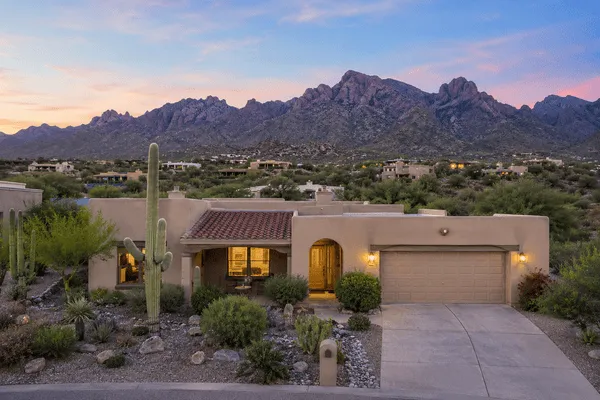
Selling Your Home
Sell your home fast with Ryan Comstock. Benefit from his market expertise, dedicated approach, and strategic marketing.
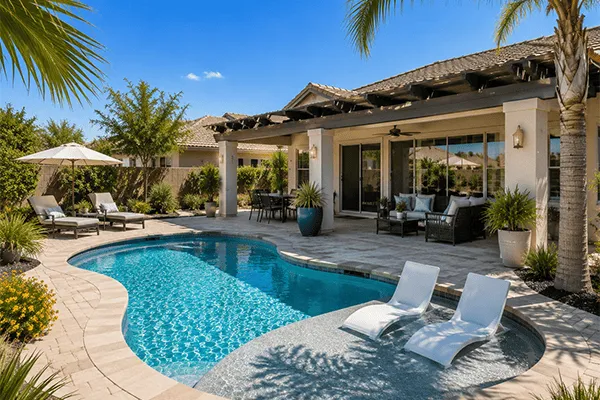
Buying A Home
Find your dream home with Ryan Comstock. Expert guidance, local insights, and personalized service.
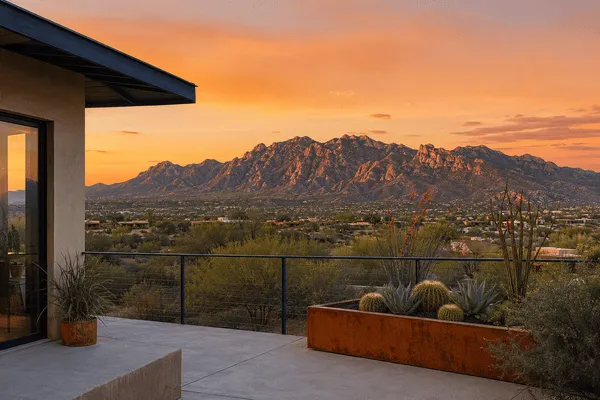
Probate
Sell probate property with Ryan Comstock. Expert probate real estate guidance and local market knowledge you can trust.
Homes with Mountain view
Senior community
Golf Course Homes
Just Listed
Newest Listings
Tucson
Oro Valley
Marana
Sahuarita
Vail
Saddlebrooke
Green Valley
Tanque Verde
Featured Areas
Communities
Market Reports
Stay Ahead with Local Market Insights
Keep up with local real estate through new listings, open houses, recent sales, and market trends — all in one place.
Testimonials
Client Reviews

Let's Talk
Get In Touch
Let's Connect
Blog
Recent Posts

Tucson Weather: What New Residents Should Expect
Moving to Tucson, Arizona, means experiencing a desert climate with abundant sunshine, hot summers, mild winters, and a summer monsoon season. For people relocating from colder states or more humid regions, the weather can be one of the biggest adjustments.
The good news is that Tucson's climate allows residents to enjoy outdoor activities for much of the year. However, understanding the heat, seasonal rain, temperature changes, and desert conditions can help you prepare for daily life.
If you're considering moving to Tucson, buying a home in Southern Arizona, or retiring in the desert, here's what you should know about Tucson weather and what new residents should expect.
What Is the Weather Like in Tucson, Arizona?
Tucson has a hot desert climate. Summers are typically very hot, winters are relatively mild, and annual rainfall is limited compared with many other parts of the United States.
One of the most noticeable features of Tucson weather is the difference between daytime and nighttime temperatures. Dry air can allow temperatures to drop considerably after sunset, particularly outside the hottest summer periods.
New residents should generally expect:
Hot summers: Temperatures frequently reach the upper 90s and exceed 100°F.
Mild winters: Many winter afternoons are comfortable, although cold mornings and occasional freezes can occur.
Low humidity for much of the year: Dry conditions are common outside the summer monsoon season.
Summer monsoon storms: Thunderstorms can bring heavy rain, lightning, strong winds, and localized flooding.
Plenty of sunshine: Sun protection is important throughout the year.
Weather varies by elevation and location, so conditions in central Tucson may differ from those in the Catalina Foothills, Oro Valley, Marana, or nearby mountain areas.
Tucson Weather by Season
Understanding each season is one of the easiest ways to prepare for life in the Sonoran Desert.
Spring: March Through May
Spring is often one of the most comfortable times of year in Tucson.
Temperatures gradually rise, outdoor activities become popular, and desert plants may bloom depending on winter rainfall and other conditions.
What new residents should expect:
Comfortable mornings and evenings early in the season
Increasing daytime heat as summer approaches
Dry conditions and occasional windy days
Excellent opportunities for hiking, cycling, golf, and exploring neighborhoods
What to prepare for: Keep sunscreen, sunglasses, and drinking water handy. If you're moving during spring, schedule property tours earlier in the day when possible.
Summer: June Through September
Tucson summers are hot, and the heat can take some adjustment if you're moving from a cooler climate.
June is often especially dry and hot. During July and August, the summer monsoon can bring periods of increased humidity, thunderstorms, and sudden downpours.
What new residents should expect:
Frequent temperatures above 100°F during the hottest periods
Hot pavement, sidewalks, and outdoor surfaces
Higher electricity use for air conditioning
Afternoon or evening thunderstorms during monsoon season
The need to plan outdoor activities around the heat
What to prepare for: Keep your air conditioning maintained, drink water regularly, use sun protection, and avoid strenuous outdoor activities during the hottest part of the day. Never leave children or pets unattended in a parked vehicle.
Summer heat also affects homes. Air-conditioning performance, insulation, window condition, shade, and roof maintenance can all influence indoor comfort and energy use.
Fall: October Through November
Fall brings relief from the summer heat, although early October can still be warm.
As temperatures moderate, residents often return to longer outdoor activities, local events, hiking, and golf.
What new residents should expect:
Gradually cooler afternoons
More comfortable mornings and evenings
Generally drier conditions as monsoon season ends
Increased opportunities to explore the city outdoors
What to prepare for: Continue drinking water during outdoor activities and keep an eye on changing temperatures, particularly if you're hiking in higher elevations.
Fall can also be a useful time for homebuyers to explore different neighborhoods and experience Tucson's outdoor lifestyle.
Winter: December Through February
Tucson winters are generally mild compared with winters in much of the United States.
Many days are sunny and comfortable, but mornings and nights can be cold. Temperatures may occasionally fall to freezing, particularly in outlying areas and locations with different elevations.
What new residents should expect:
Mild afternoons on many days
Cool mornings and evenings
Occasional frost or freezing temperatures
Snow possible in nearby higher elevations, especially around Mount Lemmon
Comfortable conditions for walking, hiking, and golf on many days
What to prepare for: Keep a jacket available for mornings and evenings, protect vulnerable outdoor plants when freezing weather is forecast, and check whether the home's heating system works properly.
If you're moving from a state with heavy snowfall, Tucson winters may feel much easier. However, don't assume you will never need heating.
Understanding Tucson's Monsoon Season
The North American monsoon typically brings a seasonal increase in moisture and thunderstorm activity to Southern Arizona during the summer.
For Tucson residents, this can mean dramatic skies, sudden heavy rain, lightning, gusty winds, and localized flooding.
Monsoon storms can develop quickly, so preparation matters.
Monsoon Safety Tips for New Residents
Check local forecasts and weather alerts before outdoor activities.
Avoid walking or driving through flooded roads and washes.
Secure patio furniture and other loose outdoor items before storms.
Clear debris from appropriate drainage areas around your home.
Check for roof leaks and signs of water intrusion after significant storms.
Avoid hiking in canyons or washes when storms or flash-flood risks are present.
Homebuyer tip: When evaluating a Tucson property, look beyond the interior. Ask about past roof leaks, drainage problems, water intrusion, and any history of flooding. Consider a professional inspection and review available property information before making a decision.
How Tucson Weather Affects Your Home
The desert climate can influence maintenance, comfort, utility expenses, and the features you may want in a home.
Home feature | Why it matters in Tucson |
|---|---|
Air conditioning | Essential for summer comfort; condition and maintenance are important |
Insulation and windows | Can help reduce unwanted heat transfer |
Roof condition | Important because of sun exposure and seasonal storms |
Shade and covered patios | Can make outdoor spaces more comfortable |
Landscaping | Drought-tolerant plants can reduce water needs |
Drainage | Helps direct stormwater away from the home |
Irrigation system | Proper operation can support desert landscaping |
Heating system | Still useful during cool winter mornings and occasional freezes |
No single feature guarantees low utility bills or trouble-free maintenance. The home's age, construction, equipment condition, orientation, and upkeep all make a difference.
Seller Tip: Highlight Climate-Friendly Features
If you're selling a home in Tucson, make useful features easy for buyers to understand.
Mention features such as covered patios, mature shade trees, energy-efficient windows, updated HVAC equipment, drought-tolerant landscaping, or a well-maintained irrigation system when applicable.
Keep documentation for recent maintenance and improvements. Buyers may appreciate knowing how the home has been cared for in Tucson's heat and monsoon conditions.
Does Tucson Weather Vary by Neighborhood?
Yes. Elevation, shade, development patterns, and proximity to the mountains can influence local conditions.
Central Tucson
Central Tucson offers access to downtown, restaurants, shopping, and cultural attractions. Like other developed urban areas, conditions can vary with pavement, shade, and building density.
Catalina Foothills
The Catalina Foothills offers mountain scenery and varied elevations. Temperatures can differ from lower parts of Tucson, and individual properties may have different sun exposure and wind conditions.
Oro Valley
Oro Valley offers access to outdoor recreation, parks, and views of the surrounding mountains. Buyers should evaluate each home's shade, orientation, HVAC condition, and drainage rather than assuming all properties have the same climate-related advantages.
Marana
Marana includes a range of established neighborhoods and newer developments. The right location depends on your commute, lifestyle, budget, and preferred home features.
Important: Do not choose a neighborhood based on weather assumptions alone. Visit properties at different times of day and evaluate the actual home, surroundings, and maintenance needs.
What Should You Pack When Moving to Tucson?
If you're relocating to Tucson from another state, a few practical items can make the transition easier.
Lightweight, breathable clothing
Sunscreen and sunglasses
A wide-brimmed hat
Comfortable walking shoes
A reusable water bottle
A light jacket for cool mornings and winter evenings
Clothing suitable for sudden rain
Weather-appropriate hiking gear if you plan to explore local trails
You may also want to adjust your daily routine. Many residents exercise early in the morning, take breaks during the hottest hours, and enjoy outdoor activities later in the day.
How to Adjust to Tucson Weather
You don't have to change your entire lifestyle to adapt to the desert. A few habits can make a meaningful difference.
1. Plan around the heat. Schedule outdoor chores, walks, and exercise during cooler hours, especially in summer.
2. Stay hydrated. Drink water regularly, and take breaks when spending time outside.
3. Protect yourself from the sun. Use sunscreen, sunglasses, shade, and appropriate clothing.
4. Prepare your home seasonally. Maintain your cooling system, inspect the roof, and check drainage before monsoon season.
5. Respect desert conditions. Keep an eye on weather alerts, watch for flash-flood hazards, and take extra care when exploring remote areas.
6. Learn your property's specific needs. Landscaping, irrigation, roof materials, and HVAC equipment all require maintenance suited to the home and its location.
Is Tucson Weather a Good Fit for You?
Tucson may be a good fit if you enjoy sunshine, mild winter afternoons, desert scenery, and outdoor recreation for much of the year.
However, summer heat is a real consideration. People who are sensitive to high temperatures may need to adjust outdoor routines, prioritize reliable air conditioning, and consider how much shade their home and neighborhood provide.
Before moving, think about:
How you handle extreme heat
Whether you prefer a home with a covered patio or pool
How much time you expect to spend outdoors
Your likely cooling and maintenance needs
Whether you prefer a central location or a community closer to the mountains
How the weather may affect pets, gardening, and daily routines
The best choice depends on your personal preferences and the specific property—not just Tucson's overall climate.
Planning a Move to Tucson? Talk With Ryan Comstock
Understanding Tucson weather is part of choosing the right home and neighborhood. From evaluating shade and outdoor living space to asking about HVAC condition and roof maintenance, local real estate guidance can help you make a more informed decision.
Ryan Comstock, OWNER / BROKER of Comstock Real Estate, brings more than 20 years of real estate experience and has helped clients through 900+ home sales. He works with buyers and sellers throughout Tucson and surrounding Southern Arizona communities, including Oro Valley, Marana, Vail, Sahuarita, and the Catalina Foothills.
Whether you're relocating, retiring, purchasing a second home, or preparing to sell, Ryan can help you evaluate your real estate options with your lifestyle and goals in mind.
Contact Ryan Comstock | Comstock Real Estate
Ryan Comstock
OWNER / BROKER
COMSTOCK REAL ESTATE
Phone: 520-261-4669
Email:[email protected]
Website:www.ryancomstock.com
Office: 177 N Church Ave #703, Tucson, AZ 85701
Frequently Asked Questions About Tucson Weather
Is Tucson hot all year?
No. Tucson has hot summers but generally mild winters. Spring and fall often provide comfortable conditions for outdoor activities, although temperatures vary from day to day.
Does it snow in Tucson?
Snow can occasionally fall in the Tucson area, but significant snowfall is uncommon in the lower-elevation city. Higher elevations near Mount Lemmon receive snow more regularly during winter weather systems.
How hot does Tucson get in summer?
Temperatures frequently reach the upper 90s and can exceed 100°F during summer. Heat varies by day and location, so check forecasts when planning outdoor activities.
When is monsoon season in Tucson?
The North American monsoon typically affects Southern Arizona during the summer, often bringing increased thunderstorm activity from late June or early July into September. The timing and amount of rainfall vary each year.
Are Tucson winters cold?
Tucson winters are relatively mild compared with many northern states, but mornings and nights can be cold. Freezing temperatures can occur, so heating and cold-weather preparation still matter.
Is Tucson weather good for retirees?
Many retirees appreciate Tucson's sunshine, outdoor recreation, and mild winters. However, summer heat can be challenging for some people, so it is wise to visit during warmer months before deciding to relocate.
What should I look for in a home because of Tucson's climate?
Pay attention to the air-conditioning system, insulation, windows, roof condition, drainage, shade, and landscaping. A professional home inspection can help identify issues that may need further evaluation.
Final Thoughts
Tucson weather offers plenty of sunshine, comfortable winter days, beautiful seasonal changes, and opportunities to enjoy the outdoors throughout much of the year. The main adjustment for many newcomers is learning how to manage summer heat and prepare for monsoon storms.
If you're planning to move to Tucson, take time to explore the area, understand the climate, and choose a home that supports your lifestyle.
Ready to buy or sell a home in Tucson or Southern Arizona? Contact Ryan Comstock at Comstock Real Estate to discuss your real estate goals.

Need More Info?
Read Faq's
What should I look for in a Realtor in Tucson, AZ?
When seeking a Realtor in Tucson, AZ, it's essential to consider their local market knowledge, experience in the Tucson area, and client testimonials. A knowledgeable Realtor like Ryan Comstock can guide you through neighborhoods like Oro Valley or the revitalized downtown area while providing insights into local amenities and schools.
How do I find the Best Realtor in Tucson, AZ?
To find the Best Realtor in Tucson, AZ, start by researching online reviews and asking for recommendations from friends or family. Look for real estate agents who specialize in Tucson properties and have a proven track record, such as Ryan Comstock, who understands the unique aspects of the Tucson market, including its diverse home styles and community events.
What is the average home price in Tucson, AZ?
The average home price in Tucson, AZ, can vary based on location and property type. As of now, homes typically range from $250,000 to $450,000. Working with a knowledgeable Real Estate Agent, like Ryan Comstock, can help you identify options that fit your budget while navigating Tucson's vibrant neighborhoods.
Is Tucson a good place to invest in real estate?
Yes, Tucson is a great place to invest in real estate due to its affordable housing market, strong rental demand, and steady job growth. With the influence of the University of Arizona and its cultural attractions, working with an experienced Realtor in Tucson, AZ can help investors capitalize on the city’s growth potential.
What neighborhoods in Tucson should I consider?
Tucson is home to a variety of neighborhoods suitable for different lifestyles. Consider areas like Catalina Foothills for luxury homes, Midtown for convenience, and Downtown Tucson for a vibrant arts scene. A top Real Estate Agent like Ryan Comstock can provide tailored recommendations based on your preferences.
How long does it typically take to sell a home in Tucson, AZ?
The time it takes to sell a home in Tucson varies but generally ranges from 30 to 90 days, depending on market conditions and the property's price. Partnering with a proactive Realtor in Tucson, AZ can significantly streamline the selling process by employing effective marketing strategies.


Disclaimer: All information contained on this website is deemed reliable but not guaranteed. All properties are subject to prior sale, change or withdrawal notice ryancomstock.com believes all information to be correct but assumes no legal responsibility for accuracy.