How Much Is Your Home Worth?

Top Realtor in Tucson, AZ – Buy or Sell Your Dream Home Today
Helping You Buy, Sell & Maximize Your Home’s Value in Tucson, AZ
Exclusive Properties
Featured Listings
Historic El Presidio Inn Lists for $1.3M in Tucson with Ryan Comstock at eXp Realty Tucson Arizona.
A Rare Look Inside One of The Most Historic Homes with Ryan Comstock at eXp Realty Tucson Arizona.
Tucson Real Estate News
Insights
As seen on







Meet Your Realtor®
Ryan Comstock

Ryan Comstock is a Top 1% Realtor in Tucson, AZ, with 20+ years of experience and 900+ homes sold across Southern Arizona. Serving the Tucson area since 2006, Ryan is consistently recognized as one of the best Realtors in Tucson, known for award-winning customer service across residential, luxury, and estate sales. He serves Tucson, Oro Valley, Marana, Sahuarita, Vail, and surrounding communities with eXp Realty.
Homes Sold
Years of Experience
5 Star Reviews
Top 1% of Realtors in America
Certified Probate Real Estate Specialist (CPRES)
2X eXp ICON Agent
Why Work With Ryan
Accolades
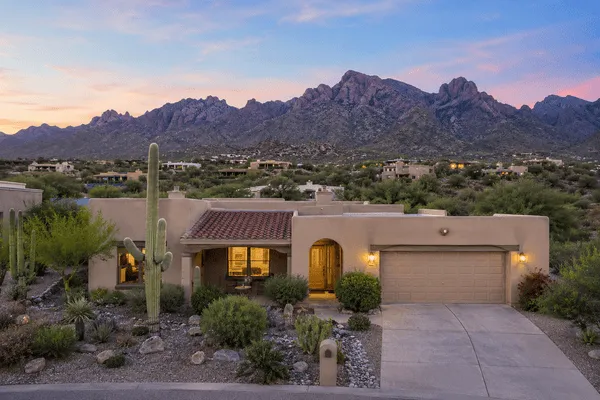
Selling Your Home
Sell your home fast with Ryan Comstock. Benefit from his market expertise, dedicated approach, and strategic marketing.
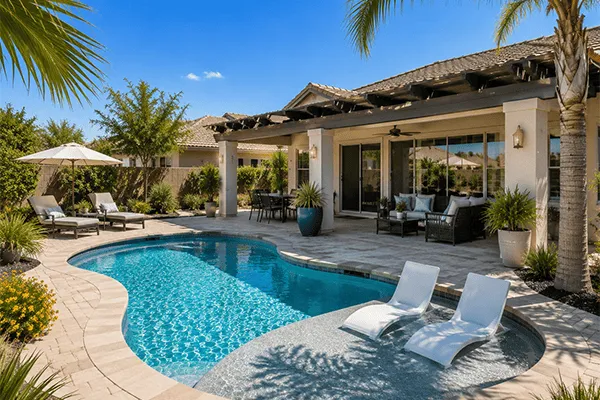
Buying A Home
Find your dream home with Ryan Comstock. Expert guidance, local insights, and personalized service.
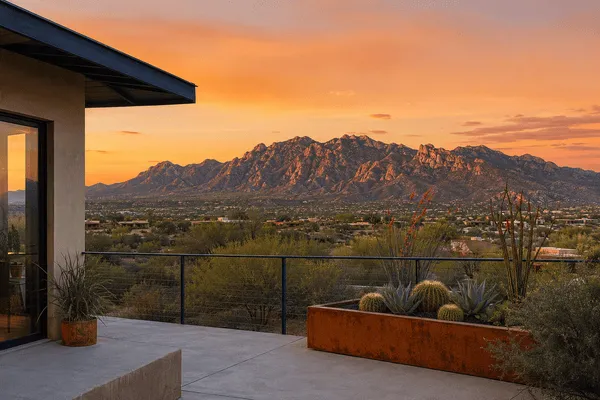
Probate
Sell probate property with Ryan Comstock. Expert probate real estate guidance and local market knowledge you can trust.
Homes with Mountain view
Senior community
Golf Course Homes
Just Listed
Newest Listings
Tucson
Oro Valley
Marana
Sahuarita
Vail
Saddlebrooke
Green Valley
Tanque Verde
Featured Areas
Communities
Market Reports
Stay Ahead with Local Market Insights
Keep up with local real estate through new listings, open houses, recent sales, and market trends — all in one place.
Testimonials
Client Reviews
Let's Talk
Get In Touch
Let's Connect
Blog
Recent Posts

Understanding Earnest Money Deposits in Arizona Real Estate
Understanding Earnest Money Deposits in Arizona Real Estate
If you're buying a home in Tucson, you may hear your REALTOR® mention earnest money as soon as you're ready to make an offer.
For many buyers, the immediate question is:
"Am I losing that money if I decide not to buy the house?"
The answer is: not necessarily.
Earnest money is an important part of an Arizona real estate transaction, but what happens to that money depends on the purchase contract, applicable contingencies, deadlines, and the reason a transaction does—or does not—close.
Understanding earnest money before you write an offer can help you make better decisions and avoid costly mistakes.
For Tucson buyers, having an experienced REALTOR® such as Ryan Comstock on your side can also help you understand how earnest money fits into the larger negotiation and purchase process.
With more than 20 years of real estate experience and more than 900 homes sold, Ryan understands that a strong offer isn't simply about the purchase price. The terms and protections in the contract matter, too.
What Is Earnest Money?
Earnest money is a deposit a buyer makes as part of a real estate purchase transaction.
It demonstrates that the buyer is serious about purchasing the property.
In Arizona, the amount and form of earnest money are addressed in the purchase contract. The current Arizona REALTORS® Residential Resale Real Estate Purchase Contract identifies the earnest-money amount and specifies its form, such as a personal check or wire transfer, as well as where the money will be deposited.
Think of earnest money as part of the buyer's financial commitment to the transaction—not simply an extra fee for purchasing a home.
Is Earnest Money Required in Arizona?
Not necessarily.
Earnest money is not automatically required for every Arizona real estate contract.
However, sellers may expect an earnest-money deposit as part of an offer, and including one can demonstrate that a buyer is serious.
The Arizona Association of REALTORS® has specifically noted that earnest money is not legally required for a valid contract.
That doesn't mean earnest money is unimportant.
Quite the opposite.
Once earnest money is included in a purchase contract, the contract's terms can determine what happens to those funds.
How Much Earnest Money Should You Offer?
There is no universal Arizona rule requiring buyers to deposit a particular dollar amount.
The appropriate amount can depend on:
Purchase price
Current market conditions
Seller expectations
Competition from other buyers
Financing
Property type
Strength of the overall offer
Negotiation strategy
For example, an earnest-money deposit that makes sense on a $250,000 home may not make sense on a $1 million property.
And putting down a very large amount isn't automatically a better strategy.
The Arizona Association of REALTORS® has cautioned that an unreasonably large earnest-money amount may create enforceability issues if it functions as an impermissible penalty rather than reasonable liquidated damages.
That's one reason buyers should discuss the amount with their REALTOR® before submitting an offer.
Is Earnest Money the Same as a Down Payment?
No.
These are two different concepts.
Earnest Money
Earnest money is a deposit associated with the purchase contract.
Down Payment
Your down payment is the amount you contribute toward the purchase price rather than financing through your mortgage.
If your transaction closes, earnest money is generally credited toward the money you owe at closing according to the purchase contract and settlement figures.
So, if you deposit earnest money early in the transaction, you're generally not paying that amount twice.
Where Does Earnest Money Go?
The purchase contract identifies where the earnest money will be deposited.
The current Arizona REALTORS® Residential Resale Real Estate Purchase Contract allows the parties to designate an escrow company or broker's trust account for the earnest-money deposit.
Arizona law also imposes requirements on brokers handling money received in connection with real estate transactions, including identifying the type of earnest money received and promptly placing funds in the care of the designated broker.
Your REALTOR® and escrow professional should explain where your earnest money is being deposited and how it will be handled.
When Do You Pay Earnest Money?
The timing depends on the purchase contract.
The contract should identify the required amount, form, and timing of the deposit.
This is important because missing an earnest-money deadline can create contractual problems.
For example, if the contract calls for a wire transfer and the buyer doesn't deliver the funds as required, the seller may have contractual remedies.
The Arizona Association of REALTORS® has discussed situations where a buyer failed to provide earnest money according to the terms specified in the contract and the seller was able to issue a cure notice.
Never assume you have extra time to deliver earnest money.
Read the contract carefully and follow the written instructions.
Can You Get Your Earnest Money Back?
Sometimes, yes.
This is one of the most important concepts buyers need to understand.
Earnest money may be returned when a buyer properly cancels the contract under a provision that gives the buyer that right.
Depending on the transaction, those protections can involve contingencies such as:
Inspection
Financing or loan approval
Appraisal
Title
Other contractual conditions
The Arizona Department of Real Estate's Buyer Advisory specifically warns that buyers who waive contingencies may face adverse consequences, including the risk of losing earnest money or incurring monetary damages if they later decide not to purchase the property.
The key word is properly.
A buyer shouldn't assume that simply changing their mind automatically entitles them to a refund.
What Happens If the Home Inspection Finds Problems?
This is a situation where understanding your contract becomes extremely important.
If an inspection identifies significant problems, the buyer may have contractual rights depending on the applicable inspection provisions, deadlines, and actions taken by both parties.
The buyer may have options that can include:
Requesting repairs
Requesting a credit
Negotiating other terms
Proceeding with the purchase
Cancelling if the contract provides that right
The specific contract language controls.
Arizona REALTORS® has published examples involving inspection-related cancellations where the buyer was entitled to the return of earnest money after following the contract's requirements.
That's why buyers should never let an inspection deadline pass without understanding their options.
What Happens If the Appraisal Comes in Low?
Suppose you agree to purchase a Tucson home for $400,000, but the appraisal comes in below the purchase price.
What happens next?
That depends on the contract and applicable appraisal provisions.
Potential options may include:
Renegotiating the purchase price
Increasing the buyer's cash contribution
Challenging the appraisal
Negotiating another solution
Cancelling if the contract provides that right
Arizona REALTORS® has published guidance involving situations where buyers were entitled to the return of earnest money based on an appraisal contingency.
The important lesson is:
An appraisal issue does not automatically mean you lose your earnest money.
But you must follow the contract's requirements and deadlines.
What Happens If Your Loan Is Denied?
Financing is another major reason buyers need to understand their contractual protections.
If you are purchasing with a mortgage, your contract may contain loan-related provisions that address what happens if financing cannot be obtained.
The details matter.
A buyer who simply stops pursuing the loan or misses contractual requirements could be in a very different position from a buyer who properly exercises a contractual cancellation right.
The Arizona Buyer Advisory specifically identifies the loan contingency as one of the important contingencies contained in the purchase contract and warns that waiving contingencies can expose buyers to losing earnest money or other financial consequences.
What Happens If You Simply Change Your Mind?
This is where buyers need to be particularly careful.
If you decide you no longer want the house simply because you changed your mind, your ability to recover earnest money depends on the contract and whether a valid cancellation right applies.
You should never assume:
"I can always get my earnest money back."
You also shouldn't assume:
"If I cancel, I automatically lose my earnest money."
Both statements can be wrong.
The correct answer depends on the specific contract and circumstances.
When in doubt, talk to your REALTOR® and, when legal interpretation is required, an attorney.
Can a Seller Keep Your Earnest Money?
Potentially.
If a buyer breaches the purchase contract without a contractual right to cancel, the seller may have rights to the earnest money under the contract.
The Arizona REALTORS® contract explains that earnest money can serve as liquidated damages in the event of certain buyer breaches.
That is why earnest money should never be treated casually.
You are making a contractual commitment when you submit an offer.
What If the Seller Breaches the Contract?
Buyers aren't the only party with contractual obligations.
Sellers also have responsibilities under the purchase contract.
If a seller fails to perform, the buyer may have contractual remedies depending on the circumstances and the specific contract language.
The important point is that earnest-money disputes aren't always simply:
"Buyer versus seller."
They are usually questions of contract rights, performance, deadlines, and the circumstances surrounding the transaction.
If a dispute becomes complicated, legal advice may be appropriate.
What Happens If Buyer and Seller Disagree About the Earnest Money?
Sometimes both parties believe they are entitled to the deposit.
This can create an earnest-money dispute.
In Arizona, the escrow company may have procedures for handling disputed funds, and the purchase contract establishes important rights and instructions concerning the release of earnest money.
Arizona REALTORS® has explained that, in the event of a dispute, the parties authorize the escrow company to release earnest money pursuant to the terms and conditions of the contract, subject to the contract's provisions.
A dispute can delay the release of funds.
This is another reason to work with professionals who understand the contract and transaction process.
Why Earnest Money Matters When Making a Tucson Offer
Imagine you're competing against several buyers for a Tucson home.
Your offer includes:
A competitive purchase price
Strong financing
A reasonable closing date
Appropriate contingencies
A meaningful earnest-money deposit
The seller may view the overall package as stronger than an offer with a similar price but weaker terms.
That's because sellers aren't necessarily choosing the highest number.
They're choosing the offer they believe is most likely to close on acceptable terms.
Earnest money can be one part of demonstrating that commitment.
But it should be balanced against the buyer's need for appropriate contractual protections.
Don't Offer More Earnest Money Just to "Win"
Some buyers assume that a larger earnest-money deposit automatically makes their offer better.
Not necessarily.
Putting more money at risk doesn't automatically compensate for other weaknesses in an offer.
Instead, your REALTOR® should help you consider the entire offer:
Purchase price
Financing
Earnest money
Inspection terms
Appraisal terms
Closing date
Contingencies
Seller concessions
Other contract terms
The strongest offer is often the one that creates the best combination of price, terms, certainty, and protection.
Earnest Money and First-Time Homebuyers
First-time buyers often worry about earnest money because they may not have much extra cash available.
That's understandable.
If you're working with a limited budget, it's especially important to understand:
How much earnest money you're offering
When it must be deposited
Where it will be held
When it can be credited at closing
What circumstances could affect whether it is returned
What contractual deadlines you must meet
Don't be embarrassed to ask questions.
A good REALTOR® should be willing to walk you through the transaction step by step.
How Ryan Comstock Helps Tucson Buyers With Earnest Money Decisions
This is where having an experienced REALTOR® can be especially valuable.
Ryan Comstock has more than 20 years of real estate experience and more than 900 homes sold.
When helping a Tucson buyer prepare an offer, Ryan looks beyond the purchase price.
He can help buyers understand how the major terms of the offer fit together, including:
Earnest money
Purchase price
Financing
Contingencies
Inspection periods
Appraisal considerations
Closing timeline
Seller concessions
Negotiation strategy
Ryan's goal is not to encourage buyers to put more money at risk simply to make an offer look stronger.
It's to help buyers develop a competitive offer that makes sense for their individual circumstances.
Why Tucson Buyers Choose Ryan Comstock
Ryan brings:
20+ years of real estate experience
900+ homes sold
Top 1% REALTOR®
Strong Tucson and Southern Arizona market knowledge
Extensive negotiation experience
Buyer-focused guidance
Experience with first-time and experienced buyers
Knowledge of Tucson, Oro Valley, Marana, Vail, Sahuarita, and surrounding communities
When you're making a significant financial commitment, experience can help you understand not only what you're offering—but what you're agreeing to.
A Simple Earnest Money Checklist for Arizona Buyers
Before submitting an offer, ask:
1. How much earnest money am I offering?
Make sure the amount fits your financial situation and the overall offer strategy.
2. When must the deposit be delivered?
Know the exact contractual deadline.
3. How must the money be delivered?
The contract may specify a check, wire transfer, or another form.
4. Where will the money be deposited?
Understand whether the contract identifies an escrow company or broker's trust account.
5. What contingencies protect me?
Understand the inspection, loan, appraisal, title, and other applicable provisions.
6. What are my cancellation deadlines?
A right to cancel is only useful if you exercise it according to the contract.
7. What happens to my earnest money if I cancel?
Don't guess. Review the contract and ask questions.
8. What happens if I fail to close?
Understand the potential contractual consequences before you submit the offer.
Common Earnest Money Mistakes to Avoid
Mistake #1: Thinking Earnest Money Is an Extra Fee
If the transaction closes, earnest money is generally credited toward the buyer's required funds at closing.
Mistake #2: Assuming Earnest Money Is Always Refundable
Refundability depends on the contract and circumstances.
Mistake #3: Missing a Deadline
Contractual deadlines matter.
Mistake #4: Waiving Contingencies Without Understanding the Risk
Waiving a contingency can increase the buyer's exposure, including potential risk to earnest money.
Mistake #5: Offering an Unnecessarily Large Deposit
More earnest money isn't automatically a better offer.
Mistake #6: Waiting Until There's a Problem to Read the Contract
The time to understand your contractual obligations is before you sign, not after something goes wrong.
Frequently Asked Questions About Earnest Money in Arizona
Is earnest money refundable in Arizona?
It can be, depending on the purchase contract and the circumstances surrounding the cancellation. Buyers should not assume it is automatically refundable or automatically forfeited.
How much earnest money should I put down on a Tucson home?
There is no universal amount. The appropriate deposit depends on the property, purchase price, competition, seller expectations, and overall negotiation strategy.
Does earnest money go toward my down payment?
If the transaction closes, earnest money is generally credited toward the buyer's funds due at closing according to the purchase contract and settlement statement.
Can I get my earnest money back after an inspection?
Potentially. Your rights depend on the inspection provisions, deadlines, notices, and other terms of your purchase contract.
What happens to earnest money if the appraisal is low?
The outcome depends on the appraisal provisions in your contract and the actions taken by the buyer and seller. A low appraisal does not automatically mean the buyer loses the deposit.
Can the seller keep my earnest money if I change my mind?
Potentially, if the buyer breaches the contract and does not have a contractual right to cancel. The specific contract and circumstances matter.
Is earnest money legally required in Arizona?
No. Earnest money is not required for every valid Arizona real estate contract, although it is commonly used in purchase transactions.
Who holds earnest money in Arizona?
The purchase contract identifies where the earnest money will be deposited, which may include an escrow company or broker's trust account.
The Bottom Line: Understand Your Earnest Money Before You Make an Offer
Earnest money is more than a number you write into an offer.
It's part of your contractual commitment to purchase the property.
For Arizona homebuyers, understanding earnest money means understanding:
How much you're offering.
When it must be deposited.
Where it will be held.
What contractual protections apply.
Which deadlines you must meet.
What could happen if the transaction doesn't close.
The good news is that you don't have to navigate these decisions alone.
Your REALTOR® can help you understand the real estate and negotiation aspects of the offer, while your lender can explain financing requirements. If you need legal advice or interpretation of your rights and obligations, an Arizona real estate attorney is the appropriate professional to consult.
Ready to Buy a Home in Tucson?
If you're planning to purchase a home in Tucson, Oro Valley, Marana, Vail, Sahuarita, or another Southern Arizona community, working with an experienced REALTOR® can help you approach the offer process with greater confidence.
Ryan Comstock has more than 20 years of real estate experience and more than 900 homes sold.
He understands that buying a home isn't just about finding a property you love.
It's about understanding the market, creating a competitive offer, negotiating effectively, meeting deadlines, and navigating the transaction from contract to closing.
If you're ready to start your Tucson home search, Ryan can help you understand how earnest money fits into your overall offer strategy.
Ryan Comstock, REALTOR®
eXp Realty
Phone: (520) 261-4669
Office: 177 N. Church Ave. #805, Tucson, AZ 85701
Website:www.ryancomstock.com
Before you put your money on the line, make sure you understand the contract you're signing.

Need More Info?
Read Faq's
What should I look for in a Realtor in Tucson, AZ?
When seeking a Realtor in Tucson, AZ, it's essential to consider their local market knowledge, experience in the Tucson area, and client testimonials. A knowledgeable Realtor like Ryan Comstock can guide you through neighborhoods like Oro Valley or the revitalized downtown area while providing insights into local amenities and schools.
How do I find the Best Realtor in Tucson, AZ?
To find the Best Realtor in Tucson, AZ, start by researching online reviews and asking for recommendations from friends or family. Look for real estate agents who specialize in Tucson properties and have a proven track record, such as Ryan Comstock, who understands the unique aspects of the Tucson market, including its diverse home styles and community events.
What is the average home price in Tucson, AZ?
The average home price in Tucson, AZ, can vary based on location and property type. As of now, homes typically range from $250,000 to $450,000. Working with a knowledgeable Real Estate Agent, like Ryan Comstock, can help you identify options that fit your budget while navigating Tucson's vibrant neighborhoods.
Is Tucson a good place to invest in real estate?
Yes, Tucson is a great place to invest in real estate due to its affordable housing market, strong rental demand, and steady job growth. With the influence of the University of Arizona and its cultural attractions, working with an experienced Realtor in Tucson, AZ can help investors capitalize on the city’s growth potential.
What neighborhoods in Tucson should I consider?
Tucson is home to a variety of neighborhoods suitable for different lifestyles. Consider areas like Catalina Foothills for luxury homes, Midtown for convenience, and Downtown Tucson for a vibrant arts scene. A top Real Estate Agent like Ryan Comstock can provide tailored recommendations based on your preferences.
How long does it typically take to sell a home in Tucson, AZ?
The time it takes to sell a home in Tucson varies but generally ranges from 30 to 90 days, depending on market conditions and the property's price. Partnering with a proactive Realtor in Tucson, AZ can significantly streamline the selling process by employing effective marketing strategies.


Disclaimer: All information contained on this website is deemed reliable but not guaranteed. All properties are subject to prior sale, change or withdrawal notice ryancomstock.com believes all information to be correct but assumes no legal responsibility for accuracy.