How Much Is Your Home Worth?

Top Realtor in Tucson, AZ – Buy or Sell Your Dream Home Today
Helping You Buy, Sell & Maximize Your Home’s Value in Tucson, AZ
Exclusive Properties
Featured Listings
Historic El Presidio Inn Lists for $1.3M in Tucson with Ryan Comstock.
A Rare Look Inside One of The Most Historic Homes with Ryan Comstock.
Tucson Real Estate News
Insights
As seen on







Meet Your Realtor®
Ryan Comstock

Ryan Comstock is a Top 1% Realtor in Tucson, AZ, with 20+ years of experience and 900+ homes sold across Southern Arizona. Serving the Tucson area since 2006, Ryan is consistently recognized as one of the best Realtors in Tucson, known for award-winning customer service across residential, luxury, and estate sales. He serves Tucson, Oro Valley, Marana, Sahuarita, Vail, and surrounding communities.
Homes Sold
Years of Experience
5 Star Reviews
Top 1% of Realtors in America
Certified Probate Real Estate Specialist (CPRES)
Why Work With Ryan
Accolades
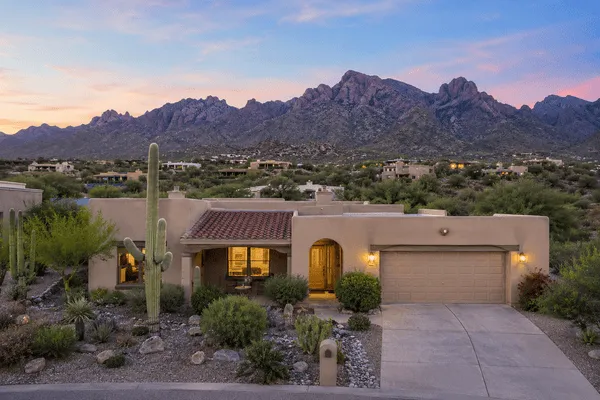
Selling Your Home
Sell your home fast with Ryan Comstock. Benefit from his market expertise, dedicated approach, and strategic marketing.
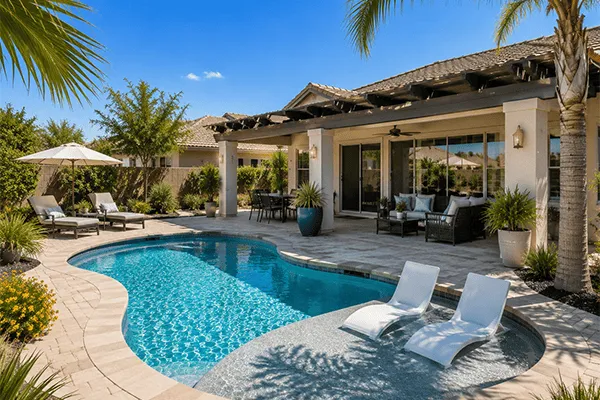
Buying A Home
Find your dream home with Ryan Comstock. Expert guidance, local insights, and personalized service.
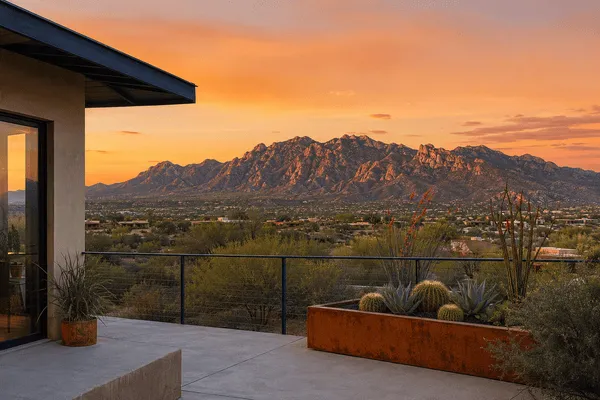
Probate
Sell probate property with Ryan Comstock. Expert probate real estate guidance and local market knowledge you can trust.
Homes with Mountain view
Senior community
Golf Course Homes
Just Listed
Newest Listings
Tucson
Oro Valley
Marana
Sahuarita
Vail
Saddlebrooke
Green Valley
Tanque Verde
Featured Areas
Communities
Market Reports
Stay Ahead with Local Market Insights
Keep up with local real estate through new listings, open houses, recent sales, and market trends — all in one place.
Testimonials
Client Reviews

Let's Talk
Get In Touch
Let's Connect
Blog
Recent Posts
What It’s Really Like Living in Tucson, Arizona
What Is It Really Like Living in Tucson, Arizona?
What is it really like living in Tucson, Arizona?
For people considering a move to Southern Arizona, the answer goes far beyond sunshine and warm weather.
Tucson offers a combination of desert landscapes, mountain views, outdoor recreation, food, culture, historic neighborhoods, and a relatively relaxed pace of life.
But Tucson also has things prospective residents should understand before moving here.
The summer heat is real. Neighborhoods can feel very different from one another. Driving is often part of daily life. And the desert environment requires homeowners to think differently about landscaping, water, cooling, and maintenance.
If you're considering moving to Tucson, this guide covers what daily life can actually feel like—from the weather and neighborhoods to housing, outdoor activities, food, and the overall Tucson lifestyle.
1. Tucson Has a Distinct Desert Lifestyle
Tucson doesn't feel like every other Arizona city.
The surrounding Sonoran Desert is part of everyday life.
You will see:
Saguaro cacti
Palo verde trees
Ocotillo
Desert mountains
Natural washes
Desert wildlife
Mountain trails
Dramatic sunsets
The Catalina, Tucson, Rincon, Santa Rita, and Tucson Mountain ranges help define the city's landscape.
For many residents, one of the biggest attractions is simply being able to look outside and see mountains.
2. The Weather Is One of Tucson's Biggest Attractions—and Challenges
Tucson is known for sunshine, but the climate has two very different sides.
Winter
Winter is one of Tucson's most popular seasons.
Residents can enjoy:
Comfortable daytime temperatures
Outdoor dining
Hiking
Golf
Cycling
Patio gatherings
Desert walks
Snow is uncommon in the city, although the surrounding mountains can occasionally receive snow.
Summer
Summer is hot.
Temperatures regularly climb into the triple digits, particularly during June, July, and August.
That means Tucson residents adapt their schedules.
You may see people:
Hiking early in the morning
Exercising indoors during the afternoon
Using pools more frequently
Planning outdoor activities around the heat
Spending more time in air-conditioned spaces
The monsoon season can also bring dramatic thunderstorms, heavy rain, lightning, and rapidly changing weather.
The Good News
For people who enjoy sunshine and don't mind heat, Tucson's climate can be a major lifestyle advantage.
But anyone moving to Tucson should understand that summer isn't something to underestimate.
3. Tucson Has More Neighborhood Variety Than Many People Expect
One of the biggest mistakes people make when researching Tucson is thinking of the city as one uniform market.
It isn't.
Different areas offer very different lifestyles.
Catalina Foothills
The Catalina Foothills are known for:
Mountain views
Luxury homes
Desert scenery
Established neighborhoods
Upscale properties
Proximity to hiking and recreation
It can be particularly attractive to buyers looking for a higher-end desert lifestyle.
Oro Valley
Oro Valley offers:
Mountain views
Planned communities
Golf
Trails
Parks
Newer housing options
Restaurants and shopping
It is popular with buyers looking for a suburban lifestyle with access to outdoor recreation.
Downtown Tucson
Downtown offers a different experience.
Residents may enjoy:
Historic architecture
Restaurants
Coffee shops
Arts and culture
Events
Walkable areas
Urban living
Central Tucson
Central Tucson includes many established neighborhoods with a mixture of:
Mid-century homes
Historic properties
Ranch-style houses
Older neighborhoods
Mature landscaping
East and Southeast Tucson
These areas provide a wide range of housing options and access to different shopping, recreation, and employment areas.
Northwest Tucson and Marana
Northwest Tucson and nearby Marana offer newer communities, shopping, golf, larger homes, and access to the Tucson Mountains and surrounding desert.
4. Outdoor Recreation Is a Major Part of Life
If you enjoy being outside, Tucson offers plenty of opportunities.
Popular activities include:
Hiking
Mountain biking
Road cycling
Golf
Trail running
Camping
Bird watching
Photography
Stargazing
Saguaro National Park
Tucson is surrounded by spectacular desert scenery, including Saguaro National Park on the east and west sides of the city.
The iconic saguaro cactus is one of the defining symbols of Southern Arizona.
Mount Lemmon
Mount Lemmon provides something unusual for Southern Arizona: a dramatic change in elevation and climate.
Residents can travel from the desert floor toward the Santa Catalina Mountains and experience cooler temperatures and a very different landscape.
5. Tucson's Food Scene Is a Major Part of the Culture
Food is one of the things that makes Tucson unique.
The city has deep connections to:
Mexican cuisine
Sonoran-style food
Native ingredients
Southwestern cooking
Local agriculture
Historic food traditions
Tucson was designated a UNESCO City of Gastronomy, recognizing its distinctive food culture.
For residents, that means restaurants and food aren't simply amenities—they are part of the city's identity.
You can find everything from casual Mexican restaurants and taco shops to upscale dining and chef-driven restaurants.
6. Tucson Has a Strong Arts and Cultural Identity
Tucson isn't simply an outdoor destination.
The city has a long history of:
Art
Music
Museums
Architecture
Indigenous culture
Mexican and Spanish heritage
Festivals
Performing arts
Residents can find cultural activities throughout the year.
The combination of desert scenery and historic architecture also gives Tucson a visual identity that is different from many other Southwestern cities.
7. Housing in Tucson Comes in Many Different Styles
One advantage of the Tucson real estate market is variety.
You can find:
Starter homes
Ranch-style homes
Historic homes
Townhomes
Condos
New construction
Golf homes
Luxury estates
Homes on acreage
Desert contemporary homes
Spanish-style properties
Homes with mountain views
That variety means buyers should determine their lifestyle priorities before choosing a neighborhood.
Do you want:
Low maintenance?
A large yard?
Mountain views?
A newer home?
A historic neighborhood?
A golf community?
A luxury property?
A home close to downtown?
Your answers can dramatically change which Tucson neighborhoods make sense.
8. The Cost of Living Requires More Than Looking at Home Prices
When people consider moving to Tucson, they often focus on the purchase price or rent.
But housing is only part of the equation.
Consider:
Mortgage or rent
Property taxes
Homeowners insurance
Utilities
Air conditioning
Landscaping
Pool maintenance
Water usage
Transportation
HOA fees
Home maintenance
Air Conditioning Matters
In Tucson, cooling costs can become an important part of the household budget during the summer.
When purchasing a home, buyers should pay attention to:
HVAC age
Energy efficiency
Insulation
Windows
Shade
Solar
Utility history when available
The cheapest house to purchase isn't necessarily the cheapest house to own.
9. Landscaping Is Different in the Desert
Moving to Tucson often means changing your expectations about landscaping.
A traditional green lawn isn't necessary for every property.
Many homeowners choose:
Native plants
Desert landscaping
Gravel
Decorative rock
Cacti
Palo verde trees
Artificial turf
Drip irrigation
Low-water landscaping
This can reduce maintenance and water use while creating a landscape that fits the natural environment.
10. Pools Are Popular—but They Require Maintenance
A pool can be a major lifestyle benefit during Tucson's hot summers.
But buyers should remember that a pool also means:
Maintenance
Chemicals
Equipment
Water
Repairs
Energy use
When purchasing a Tucson home with a pool, consider the age and condition of:
Pool surface
Pump
Filter
Heater
Plumbing
Automatic controls
A beautiful pool can be an asset, but buyers should understand the ongoing costs.
11. Getting Around Tucson
Tucson is a spread-out city.
For many residents, having a car is an important part of daily life.
Your commute can vary significantly depending on where you live and work.
Before purchasing a home, consider:
Commute time
Major roads
School locations
Shopping
Healthcare
Airport access
Downtown access
Traffic patterns
A home that looks perfect online may feel very different if it adds significant time to your daily commute.
12. Healthcare and Retirement Living
Tucson is also attractive to retirees and people planning for long-term living.
Buyers may consider:
Healthcare access
Single-level homes
Low-maintenance properties
Walkability
Golf
Recreation
Social activities
Proximity to family
Home accessibility
Oro Valley, Catalina Foothills, Marana, and other areas of Southern Arizona offer different combinations of these characteristics.
13. Tucson Is a Popular Relocation Destination
People move to Tucson for many different reasons.
Some are relocating for:
Retirement
A job
Military-related reasons
Family
Lower-density living
Outdoor recreation
Warmer winters
A slower pace of life
A second home
A lifestyle change
Because the reasons for moving vary so much, there is no single "best" Tucson neighborhood.
The right area depends on what you want from daily life.
14. What New Residents Should Know About the Desert
Living in the desert comes with a few adjustments.
You should expect to learn about:
Monsoon storms
Water conservation
Desert landscaping
Heat management
Scorpions and other desert pests
Dust
Sun exposure
Pool maintenance
HVAC maintenance
None of these necessarily make Tucson a bad place to live.
They are simply part of adapting to the environment.
15. Tucson's Real Estate Market Is Neighborhood-Specific
Tucson should not be treated as one single housing market.
Prices and buyer demand can vary considerably between neighborhoods.
Factors include:
Location
School areas
Views
Lot size
Age of home
Condition
New construction
HOA
Golf access
Mountain proximity
Architecture
For example, a luxury home in the Catalina Foothills is competing in a very different market than an entry-level property in another part of Tucson.
This is why neighborhood-specific real estate guidance matters.
16. What Is the Tucson Lifestyle Really Like?
If you ask long-term residents what they like about Tucson, you will hear different answers.
For some people, it is the mountains.
For others, it is the food.
For others, it is hiking, golf, cycling, art, culture, or simply enjoying a patio during a cool winter evening.
One of Tucson's defining characteristics is the combination of city amenities and access to nature.
You can spend the morning hiking in the mountains and the evening enjoying dinner downtown.
You can live in a quiet desert neighborhood while still being within reach of restaurants, shopping, healthcare, and entertainment.
Pros and Cons of Living in Tucson
Potential Advantages | Things to Consider |
|---|---|
Mild winters | Very hot summers |
Mountain and desert scenery | Air conditioning can be a major expense |
Outdoor recreation | Car-dependent areas |
Distinctive food culture | Desert landscaping requires adjustment |
Variety of neighborhoods | Neighborhoods can feel very different |
Golf and recreation | Pool maintenance for homes with pools |
Arts and culture | Summer heat can limit outdoor activities |
Range of housing options | Home condition varies widely |
Relatively relaxed lifestyle | Commute depends heavily on location |
The right choice depends on your priorities and expectations.
Is Tucson a Good Place to Live?
There isn't one answer that applies to everyone.
Tucson can be particularly appealing to people who value:
Outdoor recreation
Warm winters
Desert scenery
Mountain views
Food and culture
Golf
A relaxed lifestyle
Diverse neighborhoods
Access to nature
At the same time, prospective residents should be comfortable with:
Hot summers
Desert living
Vehicle travel in many areas
Cooling costs
Ongoing property maintenance
The best way to determine whether Tucson is right for you is to spend time in the neighborhoods you're considering and experience the lifestyle for yourself.
Moving to Tucson? Start With the Neighborhood, Not Just the House
One of the biggest mistakes homebuyers make is finding a house they love before determining whether they love the location.
When relocating to Tucson, start by identifying your priorities:
Lifestyle
Do you want urban, suburban, golf, desert, or mountain living?
Commute
How far are you willing to travel to work or daily activities?
Recreation
Do you want hiking, golf, cycling, or easy access to parks?
Housing
Do you want a condo, single-family home, new construction, luxury home, or acreage?
Maintenance
How much landscaping and property maintenance are you comfortable handling?
Future
Will the neighborhood still fit your lifestyle five or ten years from now?
Why Work With a Local Tucson REALTOR®?
Moving to a new city can make the home-buying process more complicated.
A local REALTOR® can help you understand differences between neighborhoods that may not be obvious from an online listing.
Ryan Comstock, REALTOR® with eXp Realty, has more than 20 years of real estate experience and has been involved in 900+ home transactions.
Ryan serves buyers and sellers throughout:
Tucson
Oro Valley
Marana
Vail
Sahuarita
Catalina Foothills
Surrounding Southern Arizona communities
For relocation buyers, local knowledge can help you compare neighborhoods based on more than price.
The goal is to find a property that fits the way you actually want to live.
Tucson Relocation Checklist
If you're considering moving to Tucson, research:
☐ Neighborhood
☐ Commute
☐ Home price
☐ Property taxes
☐ Homeowners insurance
☐ HOA fees
☐ HVAC condition
☐ Utility costs
☐ Pool maintenance
☐ Landscaping
☐ Schools, if applicable
☐ Healthcare access
☐ Shopping and restaurants
☐ Outdoor recreation
☐ Airport access
☐ Future resale considerations
Frequently Asked Questions About Living in Tucson
Is Tucson a good place to live?
Tucson can be a good fit for people who enjoy warm winters, outdoor recreation, desert scenery, food, culture, and a relaxed lifestyle. However, prospective residents should also consider the hot summers and desert environment.
Is Tucson expensive to live in?
Living costs depend on housing, neighborhood, lifestyle, transportation, utilities, and other expenses. Buyers should evaluate the total cost of ownership rather than looking only at the purchase price.
Does Tucson get really hot?
Yes. Summer temperatures frequently reach the triple digits. Residents typically adapt by planning outdoor activities around cooler parts of the day and relying heavily on air conditioning.
Does Tucson get snow?
Snow is uncommon in the city, although the higher elevations of the nearby Santa Catalina Mountains can receive snow during winter weather events.
What are the best areas to live in Tucson?
There isn't one best area for everyone. Catalina Foothills, Oro Valley, Downtown Tucson, Central Tucson, Northwest Tucson, Marana, Vail, and other areas offer different lifestyles, housing options, and amenities.
Is Tucson good for retirees?
Tucson can appeal to retirees because of its winter climate, outdoor recreation, golf, healthcare options, and range of housing. The best neighborhood depends on lifestyle, accessibility, maintenance, and proximity to desired services.
Should I rent before buying in Tucson?
For people unfamiliar with Tucson, renting can provide an opportunity to experience different neighborhoods before committing to a home purchase. Buyers should consider their timeline, finances, and long-term plans.
Final Thoughts: What It's Really Like Living in Tucson
Living in Tucson is about adapting to the desert while taking advantage of everything the desert offers.
It's mountain views, sunny winter days, monsoon storms, hiking trails, Mexican food, golf, historic neighborhoods, desert landscaping, hot summers, and incredible sunsets.
It is not perfect for everyone—and that's okay.
The important question isn't simply:
"Is Tucson a good place to live?"
The better question is:
"Does the Tucson lifestyle fit the way I want to live?"
If the answer is yes, the next step is finding the Tucson neighborhood that fits your lifestyle, budget, and long-term plans.
Thinking About Moving to Tucson?
If you're relocating to Tucson, Oro Valley, Marana, Vail, Sahuarita, or the Catalina Foothills, Ryan Comstock can help you understand the local market and compare communities before you buy.
Ryan Comstock, REALTOR® | eXp Realty
20+ Years of Experience | 900+ Homes | Top 1% REALTOR®
📞 520-261-4669
🌐 www.ryancomstock.com
📍 177 N. Church Ave. #805, Tucson, AZ 85701
Planning a move to Tucson? Contact Ryan Comstock to discuss neighborhoods, homes, and what to consider before making your move to Southern Arizona.

Need More Info?
Read Faq's
What should I look for in a Realtor in Tucson, AZ?
When seeking a Realtor in Tucson, AZ, it's essential to consider their local market knowledge, experience in the Tucson area, and client testimonials. A knowledgeable Realtor like Ryan Comstock can guide you through neighborhoods like Oro Valley or the revitalized downtown area while providing insights into local amenities and schools.
How do I find the Best Realtor in Tucson, AZ?
To find the Best Realtor in Tucson, AZ, start by researching online reviews and asking for recommendations from friends or family. Look for real estate agents who specialize in Tucson properties and have a proven track record, such as Ryan Comstock, who understands the unique aspects of the Tucson market, including its diverse home styles and community events.
What is the average home price in Tucson, AZ?
The average home price in Tucson, AZ, can vary based on location and property type. As of now, homes typically range from $250,000 to $450,000. Working with a knowledgeable Real Estate Agent, like Ryan Comstock, can help you identify options that fit your budget while navigating Tucson's vibrant neighborhoods.
Is Tucson a good place to invest in real estate?
Yes, Tucson is a great place to invest in real estate due to its affordable housing market, strong rental demand, and steady job growth. With the influence of the University of Arizona and its cultural attractions, working with an experienced Realtor in Tucson, AZ can help investors capitalize on the city’s growth potential.
What neighborhoods in Tucson should I consider?
Tucson is home to a variety of neighborhoods suitable for different lifestyles. Consider areas like Catalina Foothills for luxury homes, Midtown for convenience, and Downtown Tucson for a vibrant arts scene. A top Real Estate Agent like Ryan Comstock can provide tailored recommendations based on your preferences.
How long does it typically take to sell a home in Tucson, AZ?
The time it takes to sell a home in Tucson varies but generally ranges from 30 to 90 days, depending on market conditions and the property's price. Partnering with a proactive Realtor in Tucson, AZ can significantly streamline the selling process by employing effective marketing strategies.


Disclaimer: All information contained on this website is deemed reliable but not guaranteed. All properties are subject to prior sale, change or withdrawal notice ryancomstock.com believes all information to be correct but assumes no legal responsibility for accuracy.