How Much Is Your Home Worth?

Top Realtor in Tucson, AZ – Buy or Sell Your Dream Home Today
Helping You Buy, Sell & Maximize Your Home’s Value in Tucson, AZ
Exclusive Properties
Featured Listings
Historic El Presidio Inn Lists for $1.3M in Tucson with Ryan Comstock at eXp Realty Tucson Arizona.
A Rare Look Inside One of The Most Historic Homes with Ryan Comstock at eXp Realty Tucson Arizona.
Tucson Real Estate News
Insights
As seen on







Meet Your Realtor®
Ryan Comstock

Ryan Comstock is a Top 1% Realtor in Tucson, AZ, with 20+ years of experience and 900+ homes sold across Southern Arizona. Serving the Tucson area since 2006, Ryan is consistently recognized as one of the best Realtors in Tucson, known for award-winning customer service across residential, luxury, and estate sales. He serves Tucson, Oro Valley, Marana, Sahuarita, Vail, and surrounding communities with eXp Realty.
Homes Sold
Years of Experience
5 Star Reviews
Top 1% of Realtors in America
Certified Probate Real Estate Specialist (CPRES)
2X eXp ICON Agent
Why Work With Ryan
Accolades
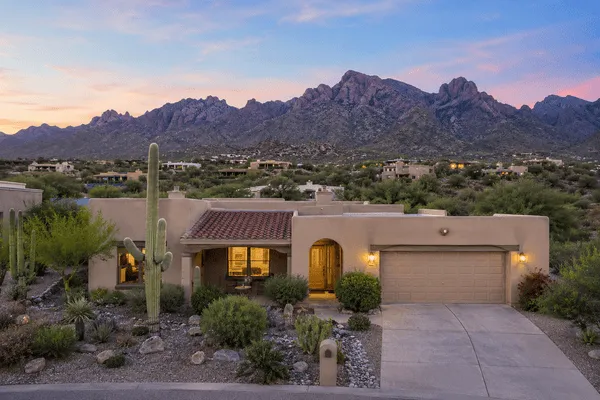
Selling Your Home
Sell your home fast with Ryan Comstock. Benefit from his market expertise, dedicated approach, and strategic marketing.

Buying A Home
Find your dream home with Ryan Comstock. Expert guidance, local insights, and personalized service.
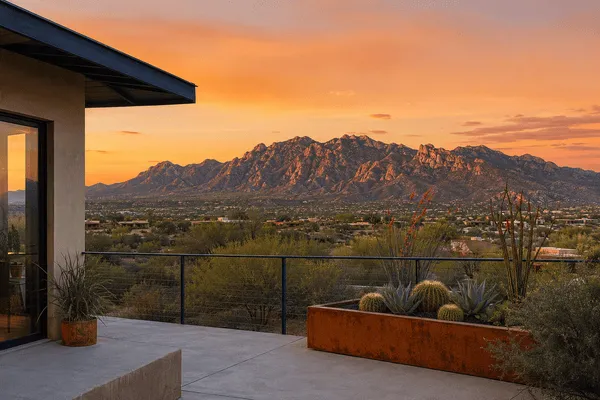
Probate
Sell probate property with Ryan Comstock. Expert probate real estate guidance and local market knowledge you can trust.
Homes with Mountain view
Senior community
Golf Course Homes
Just Listed
Newest Listings
Tucson
Oro Valley
Marana
Sahuarita
Vail
Saddlebrooke
Green Valley
Tanque Verde
Featured Areas
Communities
Market Reports
Stay Ahead with Local Market Insights
Keep up with local real estate through new listings, open houses, recent sales, and market trends — all in one place.
Testimonials
Client Reviews

Let's Talk
Get In Touch
Let's Connect
Blog
Recent Posts

What Makes an Offer Stronger Than Just Price? | Tucson Realtor
How Contingencies Affect Your Home Sale: A Tucson Seller’s Guide
Selling a home is more than accepting the highest offer. The terms and contingencies attached to an offer can significantly affect your transaction, timeline, risk, and ultimately your net proceeds.
For Tucson homeowners, understanding contingencies before accepting an offer can help you compare buyers more effectively and avoid surprises later.
A $400,000 offer with significant contingencies may not necessarily be better than a $395,000 offer with stronger terms and fewer risks.
What Is a Real Estate Contingency?
A contingency is a contractual condition that must be satisfied, waived, or otherwise addressed for the transaction to proceed according to the contract.
Common contingencies in a home sale can involve:
Financing
Inspection and due diligence
Appraisal
Sale of the buyer's existing home
Title
Property-related issues
Other negotiated conditions
The exact rights, deadlines, and consequences depend on the purchase contract and circumstances.
For sellers, the key question is:
How much uncertainty does this contingency create?
1. Financing Contingency
A financing contingency means the buyer's purchase depends on obtaining the financing required under the contract.
This is one of the most important considerations for sellers because financing problems can potentially delay or prevent a closing.
A seller should look at:
Whether the buyer is pre-approved
The type of financing
Whether the buyer has adequate funds for closing
Financing deadlines
Whether the buyer's financial situation appears stable
The strength of the buyer's overall offer
Why It Matters
A financed buyer may have a strong offer, but the seller is still exposed to financing-related uncertainty.
A well-qualified buyer can reduce some of that concern.
Seller Tip: Don't evaluate the purchase price without evaluating the buyer's ability to actually close.
2. Inspection Contingency
Buyers commonly conduct inspections and other forms of due diligence during a home purchase.
The inspection process can uncover issues involving:
Roof
HVAC
Plumbing
Electrical systems
Foundation
Windows
Appliances
Pool equipment
Landscaping
Water damage
Safety concerns
After inspections, buyers may request repairs, credits, price changes, or other concessions depending on the contract and findings.
Why It Matters
Inspection-related negotiations can affect:
Your net proceeds
Your closing timeline
Your stress level
Whether the buyer continues with the transaction
Sellers should avoid assuming that an accepted offer means negotiations are finished.
3. Appraisal Contingency
When a buyer is obtaining financing, the lender may require an appraisal.
The appraisal is intended to provide the lender with an independent opinion of the property's value.
If the appraisal comes in below the contract price, the transaction may require additional negotiation depending on the contract and buyer's financing.
Possible outcomes can include:
Buyer bringing additional funds
Seller reducing the price
Buyer and seller negotiating a compromise
Buyer challenging the appraisal
Other contractual solutions
Why It Matters to Tucson Sellers
Pricing your home correctly before listing can help reduce unnecessary appraisal problems.
This is one reason an accurate comparative market analysis and strong pricing strategy are so important.
4. Home Sale Contingency
A home sale contingency means the buyer's purchase may depend on selling their existing property.
For a seller, this can introduce additional uncertainty.
The buyer may need to:
Sell their current home.
Receive proceeds from that sale.
Complete the next purchase.
Why Sellers May Be Concerned
If the buyer cannot sell their current home, your transaction could be delayed or potentially fail depending on the contract.
A seller should carefully evaluate:
Whether the buyer's home is already listed
Its current market position
Whether it is under contract
Expected timing
The buyer's available financial resources
Contract deadlines
A home sale contingency is not necessarily a reason to reject an offer, but it should be evaluated carefully.
5. Title Contingencies and Issues
Title is another important part of a real estate transaction.
Potential title issues can include:
Liens
Ownership questions
Judgments
Unreleased mortgages
Estate or probate matters
Recording problems
Boundary or legal-description issues
Title professionals help identify and address issues that may affect the transaction.
Why It Matters
A seller generally wants title issues identified as early as possible rather than discovering a problem immediately before closing.
This is particularly important for inherited or probate properties.
6. HOA-Related Issues
Tucson-area properties can involve homeowners associations.
Depending on the property and transaction, HOA-related matters can affect the closing process.
Potential issues include:
Outstanding assessments
HOA documents
Transfer requirements
Fees
Violations
Disclosure questions
Sellers should provide requested information promptly and work with the appropriate professionals to resolve outstanding issues.
7. What Happens When a Contingency Isn't Met?
This depends on the specific contingency and the contract.
A contingency may:
Be satisfied
Be waived
Be extended
Lead to renegotiation
Allow a party to exercise a contractual right
Potentially result in cancellation
Sellers should not assume that they can simply declare a contingency "failed" and terminate a transaction.
The purchase contract controls.
When a legal interpretation is required, sellers should consult a qualified Arizona real estate attorney.
8. Contingencies Can Affect Your Net Proceeds
Consider two hypothetical offers:
Offer | Price | Financing | Contingencies | Seller Consideration |
|---|---|---|---|---|
Offer A | $425,000 | Financed | Several | Higher price, potentially more uncertainty |
Offer B | $415,000 | Strong financing | Fewer | Lower price, potentially stronger terms |
Offer A has the higher price.
But that does not automatically mean it is the better offer.
The seller should consider:
Purchase Price + Terms + Risk + Timeline + Likely Net Proceeds
This is why comparing offers requires more than looking at the first number on the page.
9. Should Sellers Accept an Offer With Fewer Contingencies?
Not necessarily.
Fewer contingencies can make an offer appear more attractive, but sellers should also consider the risks created when buyers waive protections.
For example, a buyer who waives an important contingency may later face financial or practical problems.
That could create complications for both parties.
The goal should be to find an offer with a strong combination of price, terms, buyer qualifications, and probability of closing.
10. How Contingencies Affect Your Closing Timeline
Contingencies often have deadlines.
Your transaction may involve multiple milestones, including:
Contract acceptance
Earnest money
Inspection period
Loan processing
Appraisal
Title work
HOA documentation
Final loan approval
Final walkthrough
Closing
A delay in one part of the transaction can sometimes affect the rest of the timeline.
This is why sellers should pay attention to deadlines throughout the transaction rather than assuming everything will happen automatically.
11. Cash Offers and Contingencies
Cash offers can remove certain financing-related concerns because the buyer is not relying on a mortgage.
However, cash does not automatically mean there are no contingencies.
A cash buyer may still request:
Inspection
Due diligence
Title requirements
Specific closing conditions
Other contractual protections
For sellers, the important question is not simply:
"Is it cash?"
Instead, ask:
"What are the complete terms of the cash offer?"
12. Probate and Inherited Home Sales
Contingencies can become particularly important when selling a probate or inherited property.
An estate may have:
Multiple heirs
Court requirements
An appointed personal representative
Property maintenance expenses
Existing liens
Mortgage obligations
Time-sensitive expenses
Before accepting an offer, the personal representative should understand how the contract interacts with the estate's responsibilities and authority.
A probate-experienced Realtor can help coordinate the real estate side of the transaction, while the probate attorney handles legal questions and court requirements.
13. How to Compare Multiple Offers
If you receive multiple offers, create a side-by-side comparison.
Look at:
Factor | What to Consider |
|---|---|
Price | Is it supported by the market? |
Financing | How strong is the buyer? |
Cash | Is proof of funds available? |
Earnest Money | Is the deposit appropriate? |
Inspection | What rights and deadlines apply? |
Appraisal | What happens if value is lower? |
Concessions | How much is the seller being asked to pay? |
Closing Date | Does it fit your plans? |
Possession | When does the buyer take possession? |
Home Sale | Is the offer dependent on another property selling? |
Overall Risk | How likely is the transaction to close? |
The strongest offer is often the one that provides the best overall combination of price and certainty.
14. Don't Automatically Remove Every Contingency
Some sellers believe the best strategy is to demand that buyers eliminate as many contingencies as possible.
That can be risky.
A buyer needs to feel comfortable enough with the contract to proceed to closing.
Instead of trying to eliminate every contingency, sellers can work with their Realtor to evaluate:
Which contingencies are normal
Which create significant risk
Which deadlines are reasonable
Which terms can be negotiated
Which protections should remain
A balanced contract can be better than an overly aggressive one.
15. How a Tucson Realtor Helps Manage Contingencies
An experienced Tucson Realtor can help sellers evaluate the practical impact of contingencies throughout the transaction.
Ryan Comstock brings more than 20 years of real estate experience and has helped close 900+ homes. As a Top 1% Realtor® and Certified Probate Real Estate Specialist (CPRES), Ryan understands the importance of evaluating an offer beyond the purchase price.
Ryan can help sellers:
Compare multiple offers
Review the practical implications of different terms
Communicate with the buyer's agent
Track important transaction milestones
Coordinate with lenders, title companies, inspectors, and other professionals
Negotiate when issues arise
Keep the transaction moving toward closing
Ryan serves homeowners throughout Tucson, Oro Valley, Marana, Vail, Sahuarita, and surrounding Southern Arizona communities.
Seller Checklist: Before Accepting an Offer
Before accepting an offer, ask:
☐ Is the price supported by comparable sales?
☐ How strong is the buyer's financing?
☐ Is proof of funds available if it is a cash offer?
☐ What inspection rights does the buyer have?
☐ Is there an appraisal contingency?
☐ Is the purchase dependent on another home selling?
☐ What seller concessions are being requested?
☐ Does the closing date work for me?
☐ Are there unusual contractual terms?
☐ What are the important deadlines?
☐ What is my estimated net proceeds?
☐ How likely is this offer to actually close?
Frequently Asked Questions
What is the most important contingency for a seller?
There is no single contingency that is always the most important. Financing, inspection, appraisal, home-sale, and other contingencies can each create different levels of risk depending on the transaction.
Can a seller reject an offer because it has too many contingencies?
Yes, a seller can choose which offer to accept, subject to applicable law and the transaction circumstances. Your Realtor can help you compare the risks and benefits of different offers.
Does a cash offer have contingencies?
It can. Cash removes mortgage financing risk, but buyers can still include inspection, due diligence, title, and other contractual contingencies.
Can contingencies delay closing?
Yes. Contingencies often have deadlines, and unresolved issues can sometimes affect the transaction timeline.
Should I accept the highest offer?
Not necessarily. Consider price, financing, contingencies, concessions, timing, and the likelihood of successfully reaching closing.
Can contingencies be negotiated?
Many transaction terms can be negotiated, but what can be changed and how depends on the contract and circumstances. Your Realtor can help with the real estate negotiation, while an attorney should address legal questions.
Final Takeaway
Contingencies can significantly affect the strength, risk, and timeline of your home sale.
When selling your Tucson home, don't evaluate an offer based on price alone.
Look at the complete package:
Price + Financing + Contingencies + Concessions + Timeline + Certainty of Closing
A slightly lower offer with strong terms may sometimes be more attractive than a higher offer carrying substantial uncertainty.
The right strategy depends on your property, your goals, the current market, and the specific offers you receive.
Ready to Sell Your Tucson Home?
If you're considering selling a home in Tucson, Oro Valley, Marana, Vail, or Sahuarita, work with an experienced Realtor who understands how to evaluate the entire offer—not just the price.
Ryan Comstock, Realtor® | eXp Realty
20+ Years of Experience | 900+ Homes Sold | Top 1% Realtor® | CPRES
📞 520-261-4669
🌐 www.ryancomstock.com
📍 177 N. Church Ave. #805, Tucson, AZ 85701
Contact Ryan Comstock to discuss your home-selling strategy and learn how to evaluate offers with confidence.

Need More Info?
Read Faq's
What should I look for in a Realtor in Tucson, AZ?
When seeking a Realtor in Tucson, AZ, it's essential to consider their local market knowledge, experience in the Tucson area, and client testimonials. A knowledgeable Realtor like Ryan Comstock can guide you through neighborhoods like Oro Valley or the revitalized downtown area while providing insights into local amenities and schools.
How do I find the Best Realtor in Tucson, AZ?
To find the Best Realtor in Tucson, AZ, start by researching online reviews and asking for recommendations from friends or family. Look for real estate agents who specialize in Tucson properties and have a proven track record, such as Ryan Comstock, who understands the unique aspects of the Tucson market, including its diverse home styles and community events.
What is the average home price in Tucson, AZ?
The average home price in Tucson, AZ, can vary based on location and property type. As of now, homes typically range from $250,000 to $450,000. Working with a knowledgeable Real Estate Agent, like Ryan Comstock, can help you identify options that fit your budget while navigating Tucson's vibrant neighborhoods.
Is Tucson a good place to invest in real estate?
Yes, Tucson is a great place to invest in real estate due to its affordable housing market, strong rental demand, and steady job growth. With the influence of the University of Arizona and its cultural attractions, working with an experienced Realtor in Tucson, AZ can help investors capitalize on the city’s growth potential.
What neighborhoods in Tucson should I consider?
Tucson is home to a variety of neighborhoods suitable for different lifestyles. Consider areas like Catalina Foothills for luxury homes, Midtown for convenience, and Downtown Tucson for a vibrant arts scene. A top Real Estate Agent like Ryan Comstock can provide tailored recommendations based on your preferences.
How long does it typically take to sell a home in Tucson, AZ?
The time it takes to sell a home in Tucson varies but generally ranges from 30 to 90 days, depending on market conditions and the property's price. Partnering with a proactive Realtor in Tucson, AZ can significantly streamline the selling process by employing effective marketing strategies.


Disclaimer: All information contained on this website is deemed reliable but not guaranteed. All properties are subject to prior sale, change or withdrawal notice ryancomstock.com believes all information to be correct but assumes no legal responsibility for accuracy.