How Much Is Your Home Worth?

Top Realtor in Tucson, AZ – Buy or Sell Your Dream Home Today
Helping You Buy, Sell & Maximize Your Home’s Value in Tucson, AZ
Exclusive Properties
Featured Listings
Historic El Presidio Inn Lists for $1.3M in Tucson with Ryan Comstock.
A Rare Look Inside One of The Most Historic Homes with Ryan Comstock.
Tucson Real Estate News
Insights
As seen on







Meet Your Realtor®
Ryan Comstock

Ryan Comstock is a Top 1% Realtor in Tucson, AZ, with 20+ years of experience and 900+ homes sold across Southern Arizona. Serving the Tucson area since 2006, Ryan is consistently recognized as one of the best Realtors in Tucson, known for award-winning customer service across residential, luxury, and estate sales. He serves Tucson, Oro Valley, Marana, Sahuarita, Vail, and surrounding communities.
Homes Sold
Years of Experience
5 Star Reviews
Top 1% of Realtors in America
Certified Probate Real Estate Specialist (CPRES)
Why Work With Ryan
Accolades
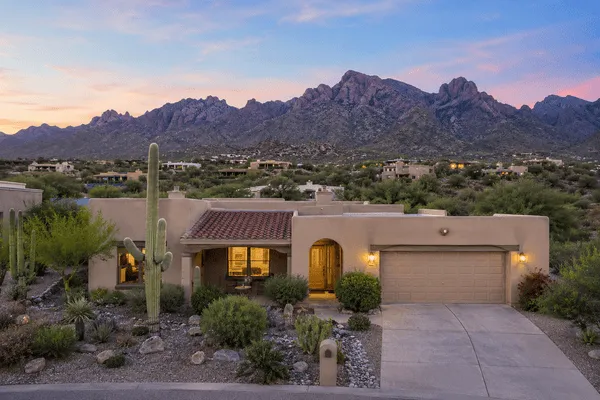
Selling Your Home
Sell your home fast with Ryan Comstock. Benefit from his market expertise, dedicated approach, and strategic marketing.
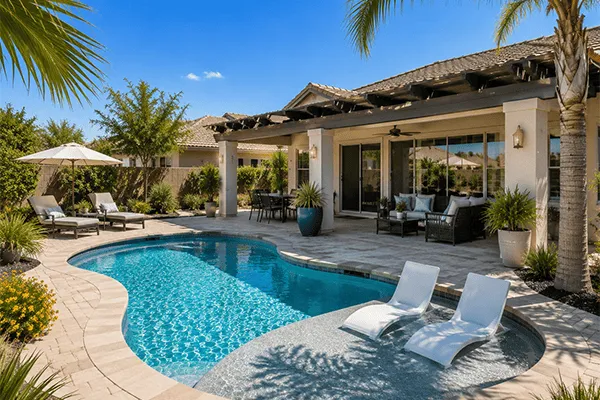
Buying A Home
Find your dream home with Ryan Comstock. Expert guidance, local insights, and personalized service.
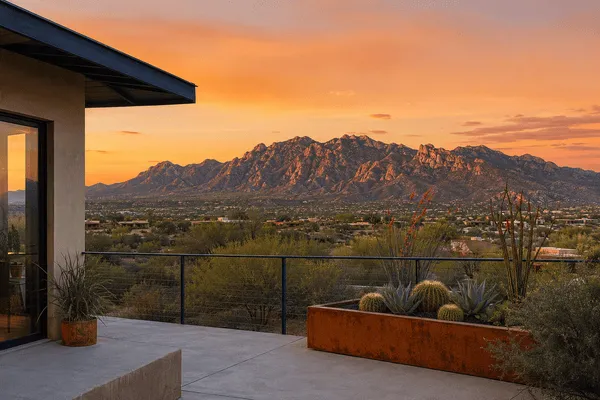
Probate
Sell probate property with Ryan Comstock. Expert probate real estate guidance and local market knowledge you can trust.
Homes with Mountain view
Senior community
Golf Course Homes
Just Listed
Newest Listings
Tucson
Oro Valley
Marana
Sahuarita
Vail
Saddlebrooke
Green Valley
Tanque Verde
Featured Areas
Communities
Market Reports
Stay Ahead with Local Market Insights
Keep up with local real estate through new listings, open houses, recent sales, and market trends — all in one place.
Testimonials
Client Reviews

Let's Talk
Get In Touch
Let's Connect
Blog
Recent Posts

Why Market Timing Isn't as Important as Proper Pricing | Tucson
Why Market Timing Isn't as Important as Proper Pricing
One of the first questions many homeowners ask when considering a sale is:
"When is the best time to sell my home?"
Spring? Summer? Winter? Wait for interest rates to change? Wait for prices to increase?
Timing can matter, but there is another factor that can have an even greater impact on how buyers respond to your listing:
Proper pricing.
A well-priced home can attract buyers in different market conditions. An overpriced home can struggle even when the market appears favorable.
For Tucson sellers, the goal should not simply be to find the "perfect" month to sell.
The goal should be to price the property correctly, prepare it properly, and launch it with a strategy that matches current buyer behavior.
Why Sellers Focus So Much on Market Timing
It's understandable.
Homeowners hear that:
Spring is the best selling season.
Winter buyers are more serious.
Interest rates may fall.
Home prices may rise.
Inventory may change.
More buyers may enter the market later in the year.
These factors can influence real estate activity.
But waiting for the perfect market can create a problem: the perfect market may never arrive.
Your personal circumstances, local competition, property condition, interest rates, inventory, and buyer demand can change while you wait.
Instead of trying to predict the market months in advance, sellers should focus on the factors they can control.
Pricing Is One of the Biggest Things a Seller Can Control
You cannot control:
Mortgage rates
The number of competing listings
Buyer demand
The economy
Interest rates
New construction
Seasonal trends
But you can influence:
Your asking price
Property preparation
Presentation
Marketing
Showing availability
Negotiation strategy
How quickly you respond to market feedback
Pricing is especially important because buyers can compare your home with other available properties immediately.
If your home is priced significantly above comparable properties, buyers may simply move on.
Buyers Don't Judge Your Home in Isolation
Today's buyers can easily compare homes online.
They may look at:
Recent sales
Active listings
Price reductions
Days on market
Square footage
Lot size
Bedrooms and bathrooms
Updates
Location
Views
Outdoor features
HOA costs
Property taxes
This means your home isn't competing against what you paid for it.
It isn't competing against what your neighbor thinks it's worth.
It is competing against the other homes buyers can purchase today.
The Problem With Overpricing
Overpricing often starts with understandable reasoning.
A seller may think:
"We'll start high and see what happens."
Or:
"We can always lower the price later."
The problem is that the first days on the market are important.
When a home first launches, it can receive a concentrated amount of attention from buyers, agents, and online searchers.
If the price causes buyers to dismiss the property immediately, the seller may lose some of that initial opportunity.
Overpricing can lead to:
Fewer showings
Fewer offers
Longer days on market
More price reductions
Buyers wondering what's wrong with the property
Increased competition from newer listings
A weaker negotiating position
A price reduction later may help, but it doesn't always recreate the impact of a correctly priced launch.
What Proper Pricing Actually Means
Proper pricing does not mean choosing the highest number a seller would like to receive.
It means determining a price that reflects the property's:
Current condition
Location
Size
Features
Updates
Lot
Views
Competition
Recent comparable sales
Current buyer demand
Market conditions
The goal is to position the property where the most likely buyers will recognize its value.
Your Neighbor's Sale Isn't Automatically Your Home's Value
One of the most common pricing mistakes is relying on a single nearby sale.
A neighbor may have sold for $500,000.
That doesn't automatically mean your home is worth $500,000.
The properties could differ in:
Size
Lot
Condition
Renovations
Pool
Garage
Views
Location within the neighborhood
Floor plan
Age
Outdoor living
Time of sale
A strong pricing analysis looks at multiple comparable properties rather than one headline sale.
Active Listings Matter Too
Recent sales tell you what buyers previously paid.
Active listings tell you what buyers can choose from right now.
This distinction is extremely important.
Imagine three similar homes:
Property | Price | Condition |
|---|---|---|
Home A | $425,000 | Updated |
Home B | $435,000 | Average |
Your Home | $450,000 | Average |
Even if your home is worth $450,000 based on an older comparable sale, buyers may choose Home A because it offers better value today.
That's why pricing should consider both past sales and current competition.
Tucson Sellers Need to Look at the Local Market, Not Just National Headlines
National real estate headlines can be interesting, but they don't tell you exactly what your Tucson home should sell for.
Tucson neighborhoods can behave differently based on:
Location
Price range
Property type
Inventory
Buyer demographics
New construction
Retirement demand
Luxury demand
School areas
HOA communities
Mountain views
Golf communities
A pricing strategy for a $300,000 home can be very different from one for a $900,000 luxury property.
Local comparable sales matter.
The First Price Is Often Your Most Important Price
Your initial asking price creates a position in the market.
It tells buyers:
"This is how the seller wants this property to compete."
If the price is appropriate, the listing has a better opportunity to generate:
Clicks
Showings
Buyer conversations
Offers
Competition
If the price is too high, buyers may wait.
And waiting can become expensive.
What Happens When a Home Sits on the Market?
A listing that remains active for a long period can begin to attract questions.
Buyers may wonder:
"Why hasn't this sold?"
That doesn't necessarily mean something is wrong.
But the longer a home remains available, the more buyers may expect the seller to negotiate.
This can create a difficult cycle:
Overpricing → fewer showings → no offer → price reduction → more days on market → buyer skepticism → additional negotiation
The better strategy is often to avoid starting that cycle in the first place.
Seller Action Step: Get a Current Comparative Market Analysis
Before choosing your asking price, ask your REALTOR® for a current Comparative Market Analysis (CMA).
A good CMA should help you understand:
Recently sold homes
Active competition
Pending properties when available
Price per square foot
Days on market
Similar property features
Price reductions
Neighborhood trends
Ask:
"Which homes will buyers compare my property against?"
That question can be more useful than simply asking:
"What is my home worth?"
Seller Action Step: Identify Your Direct Competition
Search for homes that a buyer could reasonably choose instead of yours.
Look at:
Same neighborhood
Similar price range
Similar size
Similar condition
Similar bedroom/bath count
Similar amenities
Similar lot
Similar views
Then ask:
"Why would a buyer choose my home instead of this one?"
If you don't have a strong answer, your pricing or presentation may need to improve.
Seller Action Step: Decide What Needs to Be Fixed Before Pricing
Pricing and preparation work together.
A $500,000 home in excellent condition may compete differently from a $500,000 home that needs:
Paint
Flooring
Landscaping
Roof work
HVAC repairs
Pool repairs
Cleaning
Decluttering
Before setting the price, determine whether the property should be:
Move-in ready, lightly prepared, or sold as-is.
Don't spend thousands of dollars on improvements simply because you assume buyers expect them.
Focus on improvements that make the property more competitive.
Seller Action Step: Don't Build Your Price Around Your Emotional Attachment
Your home may have tremendous personal value.
Maybe you raised your family there.
Maybe you remodeled the kitchen yourself.
Maybe you have lived there for 20 years.
Those experiences matter personally.
But buyers don't pay for memories.
They pay based on market value and perceived value.
A successful pricing strategy separates emotional value from market value.
Seller Action Step: Pay Attention to the First Two Weeks
The first two weeks can provide useful information.
Track:
Online interest
Showing activity
Agent feedback
Buyer questions
Showing-to-offer activity
Competing listings
Price reductions from competitors
A simple interpretation:
Lots of showings + no offers:
The price or condition may not be meeting buyer expectations.
Very few showings:
The price, marketing, presentation, or property positioning may need attention.
Strong showing activity + multiple offers:
The property may be positioned competitively.
Your REALTOR® should help you interpret the data rather than immediately changing the price based on one person's opinion.
Seller Action Step: Don't Wait Too Long to Respond to Market Feedback
One of the biggest mistakes sellers can make is ignoring the market.
If multiple buyers and agents consistently identify the same issue, pay attention.
For example:
"The home is nice, but we think it's overpriced compared with the other property nearby."
If several buyers say something similar, that's valuable information.
The question becomes:
Is the issue the price, the condition, the presentation, or a combination?
Should You Price Below Market Value?
Not necessarily.
There is a difference between strategic pricing and simply underpricing a home.
Your REALTOR® should explain the reasoning behind the recommended price.
Depending on the property and market, a strategy could involve:
Pricing near comparable value
Pricing competitively to attract more buyers
Positioning slightly below a psychological price threshold
Pricing toward the upper end when the property clearly supports it
There is no single pricing formula that works for every Tucson home.
Market Timing Still Matters—Just Not the Way Sellers Think
Timing should not be ignored.
Certain properties may perform differently depending on:
Season
Inventory
Interest rates
Buyer demand
Local events
School schedules
Retirement and relocation activity
But timing is only one part of the equation.
Think of it this way:
Good timing + poor pricing = difficult sale
Poor timing + excellent pricing = still potentially successful
Good timing + proper pricing + strong presentation = much stronger position
The goal is to control as many of the controllable factors as possible.
When Waiting to Sell May Make Sense
There are situations where waiting can be reasonable.
For example:
You need time to make important repairs.
Your home is not ready for market.
There is unusually high competition in your price range.
You have a personal reason to delay.
You are waiting for another transaction to be completed.
Your financial situation requires a different timeline.
But don't wait simply because you believe prices will definitely be higher later.
No one can guarantee future market conditions.
When Selling Now May Make More Sense
Selling sooner may make sense if:
You are ready to move.
You have strong equity.
Your property is competitive.
Your neighborhood has favorable buyer demand.
You want to avoid carrying costs.
You are relocating.
You have an estate or probate property.
You are downsizing.
You need to coordinate another purchase.
The right decision should be based on your goals and the current market, not a generic "best month to sell."
A Better Seller Strategy: Price for the Buyer You Want
Instead of asking:
"How high can we list?"
Ask:
"What price will make the right buyers want to see this home?"
Then build the marketing around those buyers.
For example, if your Tucson home is ideal for:
Retirees
Luxury buyers
Golf enthusiasts
Families
Relocation buyers
First-time buyers
Investors
the marketing should highlight the features that matter to that audience.
Pricing gets buyers' attention.
Presentation gives them a reason to care.
Marketing gets the property in front of them.
Negotiation helps turn interest into a transaction.
A Simple Pricing Checklist for Tucson Sellers
Before listing, ask:
Pricing
What are the most recent comparable sales?
What homes are competing with mine today?
How much inventory exists in my price range?
What price range are buyers searching?
Property
What condition is my home really in?
Which repairs are worth making?
What features differentiate my property?
What weaknesses will buyers notice?
Marketing
Are professional photos necessary?
Should we use video?
What features should be highlighted?
Does the listing description communicate value?
Strategy
What happens if we receive no offers?
When will we review buyer feedback?
What metrics will we track?
What would cause us to adjust the price?
Having these answers before the listing goes live can prevent emotional decisions later.
Why Proper Pricing Can Save Sellers Time and Money
An effective pricing strategy can help reduce unnecessary:
Price reductions
Extended carrying costs
Showings to unqualified buyers
Negotiation problems
Market time
Repeated listing adjustments
It also gives buyers a clearer reason to act.
The objective isn't necessarily to sell for the highest possible asking price.
The objective is to achieve the best overall result based on market value, buyer demand, property condition, timing, and your goals.
How Ryan Comstock Helps Tucson Sellers Price Strategically
Choosing the right price is one of the most important decisions you'll make when selling your home.
Ryan Comstock, REALTOR® with Comstock Real Estate, brings more than 20 years of real estate experience and has helped close 900+ homes throughout Southern Arizona.
As a Top 1% REALTOR®, Ryan helps sellers evaluate comparable sales, current competition, property condition, buyer demand, and marketing strategy before determining how to position a home.
Ryan serves Tucson, Oro Valley, Marana, Vail, Sahuarita, Catalina Foothills, and surrounding Southern Arizona communities.
If you're considering selling, don't wait for the "perfect" market.
Start by understanding what your home can realistically compete for today.
Ryan Comstock, REALTOR®
Comstock Real Estate
177 N Church Ave #703
Tucson, AZ 85701
Phone: 520-261-4669
Email:[email protected]
Website:www.ryancomstock.com

Need More Info?
Read Faq's
What should I look for in a Realtor in Tucson, AZ?
When seeking a Realtor in Tucson, AZ, it's essential to consider their local market knowledge, experience in the Tucson area, and client testimonials. A knowledgeable Realtor like Ryan Comstock can guide you through neighborhoods like Oro Valley or the revitalized downtown area while providing insights into local amenities and schools.
How do I find the Best Realtor in Tucson, AZ?
To find the Best Realtor in Tucson, AZ, start by researching online reviews and asking for recommendations from friends or family. Look for real estate agents who specialize in Tucson properties and have a proven track record, such as Ryan Comstock, who understands the unique aspects of the Tucson market, including its diverse home styles and community events.
What is the average home price in Tucson, AZ?
The average home price in Tucson, AZ, can vary based on location and property type. As of now, homes typically range from $250,000 to $450,000. Working with a knowledgeable Real Estate Agent, like Ryan Comstock, can help you identify options that fit your budget while navigating Tucson's vibrant neighborhoods.
Is Tucson a good place to invest in real estate?
Yes, Tucson is a great place to invest in real estate due to its affordable housing market, strong rental demand, and steady job growth. With the influence of the University of Arizona and its cultural attractions, working with an experienced Realtor in Tucson, AZ can help investors capitalize on the city’s growth potential.
What neighborhoods in Tucson should I consider?
Tucson is home to a variety of neighborhoods suitable for different lifestyles. Consider areas like Catalina Foothills for luxury homes, Midtown for convenience, and Downtown Tucson for a vibrant arts scene. A top Real Estate Agent like Ryan Comstock can provide tailored recommendations based on your preferences.
How long does it typically take to sell a home in Tucson, AZ?
The time it takes to sell a home in Tucson varies but generally ranges from 30 to 90 days, depending on market conditions and the property's price. Partnering with a proactive Realtor in Tucson, AZ can significantly streamline the selling process by employing effective marketing strategies.


Disclaimer: All information contained on this website is deemed reliable but not guaranteed. All properties are subject to prior sale, change or withdrawal notice ryancomstock.com believes all information to be correct but assumes no legal responsibility for accuracy.