How Much Is Your Home Worth?

Top Realtor in Tucson, AZ – Buy or Sell Your Dream Home Today
Helping You Buy, Sell & Maximize Your Home’s Value in Tucson, AZ
Exclusive Properties
Featured Listings
Historic El Presidio Inn Lists for $1.3M in Tucson with Ryan Comstock.
A Rare Look Inside One of The Most Historic Homes with Ryan Comstock.
Tucson Real Estate News
Insights
As seen on







Meet Your Realtor®
Ryan Comstock

Ryan Comstock is a Top 1% Realtor in Tucson, AZ, with 20+ years of experience and 900+ homes sold across Southern Arizona. Serving the Tucson area since 2006, Ryan is consistently recognized as one of the best Realtors in Tucson, known for award-winning customer service across residential, luxury, and estate sales. He serves Tucson, Oro Valley, Marana, Sahuarita, Vail, and surrounding communities.
Homes Sold
Years of Experience
5 Star Reviews
Top 1% of Realtors in America
Certified Probate Real Estate Specialist (CPRES)
Why Work With Ryan
Accolades
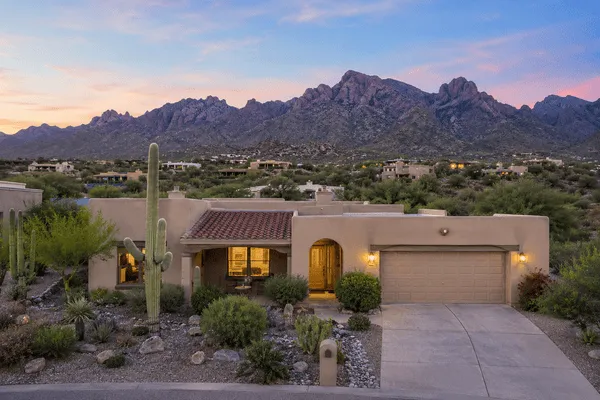
Selling Your Home
Sell your home fast with Ryan Comstock. Benefit from his market expertise, dedicated approach, and strategic marketing.
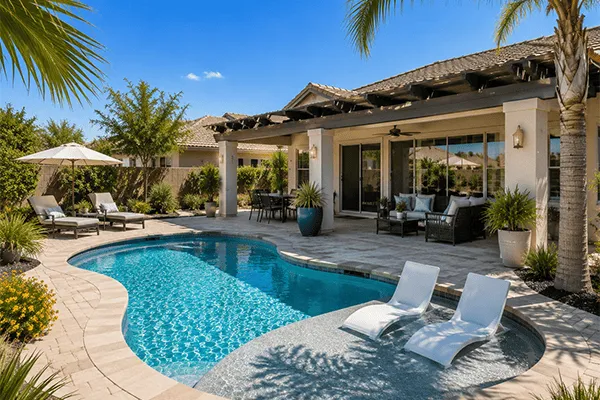
Buying A Home
Find your dream home with Ryan Comstock. Expert guidance, local insights, and personalized service.
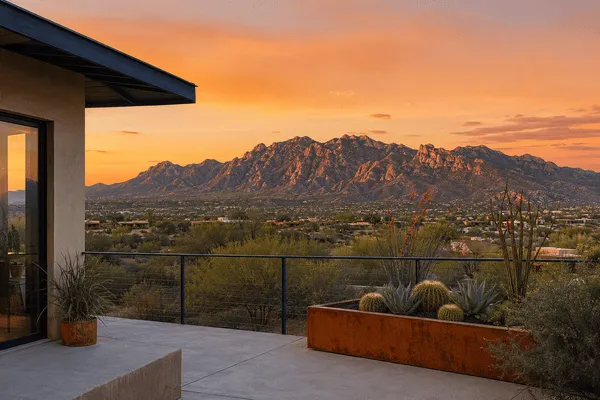
Probate
Sell probate property with Ryan Comstock. Expert probate real estate guidance and local market knowledge you can trust.
Homes with Mountain view
Senior community
Golf Course Homes
Just Listed
Newest Listings
Tucson
Oro Valley
Marana
Sahuarita
Vail
Saddlebrooke
Green Valley
Tanque Verde
Featured Areas
Communities
Market Reports
Stay Ahead with Local Market Insights
Keep up with local real estate through new listings, open houses, recent sales, and market trends — all in one place.
Testimonials
Client Reviews

Let's Talk
Get In Touch
Let's Connect
Blog
Recent Posts

Why Tucson Is One of the Best Places to Retire in Arizona
Why Tucson Is One of the Best Places to Retire in Arizona
Is Tucson the Right Place for Your Retirement?
Retirement is an opportunity to rethink how you want to spend your time, where you want to live, and what matters most in your next chapter. For people considering Arizona, Tucson offers an appealing combination of desert scenery, outdoor recreation, cultural attractions, and a variety of housing options.
Unlike retirement destinations built around a single lifestyle, Tucson offers several ways to enjoy retirement. You can choose a home near restaurants and cultural attractions, a quiet neighborhood with mountain views, a golf community, or a property with more space and privacy.
However, choosing a retirement destination involves more than sunshine and scenery. Your housing budget, healthcare needs, transportation, home maintenance, and preferred social activities should all influence your decision.
For many retirees, retiring in Tucson, Arizona, can be an opportunity to enjoy a new lifestyle while finding a home that fits their long-term plans.
Ryan Comstock, Owner / Broker of Comstock Real Estate, helps buyers and sellers navigate the Tucson-area real estate market. With more than 20 years of experience and over 900 homes sold, Ryan understands the importance of looking beyond a property's appearance to determine whether it fits a buyer's needs.
Here are the reasons Tucson deserves consideration when planning your retirement.
1. Enjoy Tucson's Sunny Climate and Desert Scenery
One of Tucson's biggest attractions is its sunny, dry climate. The region is known for abundant sunshine, mild winter days, and distinctive Sonoran Desert scenery. According to Visit Tucson, the area receives more than 340 days of sunshine a year.
For retirees who enjoy spending time outdoors, that climate can provide plenty of opportunities to stay active during the cooler months.
You might spend a winter morning walking through your neighborhood, enjoying a patio breakfast, playing golf, or exploring a nearby trail. The surrounding mountain ranges also create dramatic views, especially around sunrise and sunset.
What Retirees Should Know About the Weather
Tucson's climate has trade-offs. Summer temperatures regularly exceed 100°F, and the summer monsoon season can bring thunderstorms, strong winds, dust storms, and localized flooding.
Before buying a retirement home, consider:
The age and condition of the air-conditioning system.
Energy efficiency, insulation, and window quality.
Shaded outdoor areas and covered patios.
Roof condition and drainage.
Whether you are comfortable limiting outdoor activities during extreme heat.
If you are moving from a cooler climate, consider visiting Tucson during the summer before making a permanent move. Experiencing the hottest season firsthand can help you decide whether the climate fits your expectations.
2. Find a Retirement Home That Fits Your Lifestyle
Tucson and its surrounding communities offer a range of homes for different budgets, preferences, and stages of retirement.
Some retirees want a smaller home that requires less maintenance. Others prefer a larger property for visiting family, a home with a swimming pool, or a community with shared amenities.
The key is to choose a home that supports how you want to live—not simply the property with the most impressive features.
Housing Options to Consider
Single-story homes: These can reduce the need to navigate stairs and may be easier to adapt as mobility needs change.
Low-maintenance homes: Condominiums, townhomes, and some planned communities may reduce exterior maintenance responsibilities, although association fees and rules should be reviewed carefully.
Homes with outdoor living areas: Covered patios and shaded yards can make it easier to enjoy the desert climate during comfortable parts of the day.
Homes near everyday services: Living close to grocery stores, healthcare providers, pharmacies, and restaurants may make retirement more convenient.
Homes with space for guests: If children, grandchildren, or friends will visit regularly, consider guest bedrooms, parking, and flexible living spaces.
It is also worth thinking about your needs five or ten years from now. A home that is manageable today may become more difficult to maintain if your mobility, health, or transportation needs change.
3. Explore Tucson's Active Adult and Retirement Communities
Some retirees prefer an independent home in a traditional neighborhood. Others want access to organized activities, recreation centers, golf, fitness facilities, and opportunities to meet neighbors.
The greater Tucson area offers several communities worth exploring.
<text color="secondary" size="sm">Community details and age requirements can change. Verify current rules, amenities, and fees directly with each community before making a decision.</text>
SaddleBrooke
Located north of Tucson, SaddleBrooke is an established active-adult community known for golf, recreation, clubs, and social activities. The community's official website describes its amenities and resident activities.
It may appeal to retirees who want a community-centered lifestyle and enjoy having recreational and social opportunities close to home.
SaddleBrooke Ranch
SaddleBrooke Ranch offers another option for buyers interested in an active-adult setting north of Tucson. Prospective residents should compare its homes, amenities, fees, location, and age requirements with other communities before deciding.
Sun City Oro Valley
Sun City Oro Valley is worth considering if you prefer a planned community in the Oro Valley area. Review the community's current age requirements, recreation options, association fees, and property choices to determine whether it suits your retirement plans.
Quail Creek
Located in the Green Valley area south of Tucson, Quail Creek is another community to investigate if you want recreational amenities and an active-adult environment.
Traditional Tucson Neighborhoods
You do not have to live in a 55-plus community to enjoy retirement in Tucson. Traditional neighborhoods may be a better fit if you prefer fewer community-specific rules, different home styles, or closer access to downtown, restaurants, shopping, and cultural attractions.
Before choosing a community, compare the total cost of ownership, not just the home's purchase price. Association fees, special assessments, recreational memberships, and maintenance responsibilities can affect your retirement budget.
4. Stay Active With Outdoor Recreation
Retirement can provide more time to explore hobbies, stay active, and enjoy the outdoors. Tucson offers many opportunities to do just that.
Golf
Golf is an important part of the lifestyle for many retirees in Southern Arizona. The greater Tucson area offers a variety of public, municipal, and private golf courses. Visit Tucson provides an overview of the region's golf options through its research and destination information.
When comparing golf communities, look into course access, membership costs, guest policies, and whether golf is included in any community fees.
Hiking and Walking
The Tucson region offers desert trails, scenic parks, and access to natural areas. Saguaro National Park and the surrounding mountain ranges are popular destinations for exploring the Sonoran Desert.
You can learn more about the region's outdoor opportunities through Visit Arizona's Tucson guide.
Choose activities that match your fitness level, and plan outdoor exercise around temperatures. During hot weather, early mornings and evenings are generally safer than the middle of the day.
Cycling and Leisurely Outdoor Activities
Tucson's extensive multi-use trail network, including The Loop, gives residents opportunities for cycling, walking, and other recreational activities. You can also enjoy birdwatching, gardening, photography, and scenic drives.
You do not need to be an avid athlete to appreciate the outdoor lifestyle. Even having a nearby park, shaded walking route, or pleasant patio can make a difference in your daily routine.
5. Enjoy Tucson's Food, Culture, and Community
Retirement is not only about where you live. It is also about how you spend your time and the experiences available in your community.
Tucson has a distinctive food culture influenced by Indigenous, Mexican, Spanish, and other regional traditions. The city is recognized as a UNESCO City of Gastronomy, and residents can explore local restaurants, markets, food festivals, and neighborhood dining spots.
Beyond food, Tucson offers museums, historic sites, performing arts, community events, and attractions for people with a wide range of interests.
These options can help retirees build routines, explore new hobbies, and connect with other residents.
When evaluating neighborhoods, consider how close you want to be to the activities you enjoy. A home with beautiful views may be appealing, but a location closer to your preferred restaurants, classes, or community groups might better support your everyday lifestyle.
6. Plan Your Retirement Budget Carefully
One of the most important steps in retirement planning is understanding the full cost of living in your preferred location.
Tucson may offer a range of housing choices, but it is important not to assume that every neighborhood or property will fit your budget. Home prices, insurance costs, property taxes, utilities, and maintenance expenses vary.
Retirement Home Expenses to Include
Expense | What to consider |
|---|---|
Home purchase | Purchase price, down payment, and closing costs |
Property taxes | Verify the property's current tax information and any applicable exemptions |
Homeowners insurance | Request quotes based on the home's location, condition, and coverage needs |
HOA fees | Check recurring dues, rules, and potential special assessments |
Utilities | Account for air-conditioning costs during hot weather |
Maintenance | Budget for HVAC service, roof repairs, landscaping, and routine upkeep |
Transportation | Consider vehicle costs, fuel, and access to services |
Healthcare | Review insurance coverage, provider networks, and proximity to care |
Retirees should also think about how a home purchase affects their savings and available cash. Using too much of your retirement funds for a down payment or renovations can reduce the financial flexibility you may need later.
If you are moving from another state, consult qualified tax and financial professionals about how the move may affect your individual retirement plan.
7. Consider Healthcare and Everyday Accessibility
Access to healthcare is an important consideration when choosing where to retire.
Before purchasing a home, identify nearby primary care providers, specialists, pharmacies, hospitals, and other services relevant to your needs. If you have Medicare Advantage or another managed-care plan, confirm that the providers and facilities you prefer are within your network.
Location also matters for everyday independence. Consider how easily you can reach grocery stores, banks, community activities, and family members.
Features That May Support Long-Term Comfort
When touring properties, look for:
A practical floor plan with fewer stairs.
A primary bedroom and bathroom on the main level.
An accessible entrance and convenient parking.
Good lighting and clear pathways.
A shower layout that could be adapted if needed.
Manageable landscaping and exterior maintenance.
A location that does not require long drives for routine errands.
You do not have to purchase a home designed specifically for aging in place. However, considering accessibility early may help you avoid an expensive move later.
8. Compare Tucson With Nearby Retirement Destinations
Tucson is not the only place to consider in Southern Arizona. Nearby communities offer different combinations of amenities, housing, and proximity to services.
Location | May appeal to retirees who want |
|---|---|
Tucson | City amenities, restaurants, cultural attractions, and varied neighborhoods |
Oro Valley | Mountain scenery, suburban neighborhoods, and recreational options |
Marana | A range of residential developments and access to shopping and outdoor activities |
Green Valley | Established active-adult living options south of Tucson |
SaddleBrooke area | Planned active-adult communities and recreation-focused amenities |
Sahuarita | Planned neighborhoods, parks, and community amenities |
These are general distinctions, not guarantees about affordability or lifestyle. Conditions can vary significantly from one neighborhood to another.
If possible, visit your top choices before buying. Spend time in each area, drive to the places you expect to visit regularly, and compare homes with similar features.
A local real estate professional can help you identify relevant properties and understand how location may affect your home search.
9. Questions to Ask Before Buying a Retirement Home in Tucson
Before making an offer, take time to evaluate whether the property and its location are right for your plans.
Use these questions as a starting point:
Can I comfortably afford the home while maintaining my retirement savings?
Is the home practical for my current and anticipated mobility needs?
Are healthcare providers and essential services conveniently located?
Can I manage the maintenance and landscaping?
Have I checked the HVAC system, roof, drainage, and other major components?
Do HOA fees and restrictions fit my budget and lifestyle?
Have I reviewed insurance costs and property tax information?
Is the neighborhood comfortable for me during both summer and winter?
Will the home work if family members visit or my needs change?
A professional home inspection can help identify potential issues, while reviewing property disclosures and available records can provide additional information about the home.
Taking time to investigate these details can help you make a more informed decision.
10. Work With a Local Realtor Who Understands Retirement Moves
Retirement moves often involve more than buying a house. You may be selling a long-time family home, downsizing, relocating from another state, or deciding whether to purchase in a traditional neighborhood or an active-adult community.
A local real estate professional can help you compare locations, review comparable sales, arrange property tours, and navigate the transaction. If you are selling one home to purchase another, planning the timing and financial details of both transactions is particularly important.
Ryan Comstock, Owner / Broker of Comstock Real Estate, serves buyers and sellers throughout Tucson and surrounding Southern Arizona communities. With 20+ years of experience and 900+ homes sold, Ryan helps clients evaluate their options and make informed real estate decisions.
Whether you are looking for a low-maintenance home, a property with mountain views, or a community with recreational amenities, start by identifying what matters most to you.
Frequently Asked Questions About Retiring in Tucson, Arizona
Is Tucson a good place to retire in Arizona?
Tucson may be a good fit for retirees who enjoy sunshine, desert scenery, outdoor recreation, and a mix of city and suburban living. Whether it is the right choice depends on your budget, healthcare needs, climate preferences, and desired lifestyle.
What are the best areas around Tucson for retirees?
Tucson, Oro Valley, Green Valley, SaddleBrooke, Marana, and Sahuarita are all worth exploring. Each offers different housing options, amenities, and community environments, so compare them based on your personal priorities.
Are there 55-plus communities near Tucson?
Yes. The greater Tucson area includes several active-adult communities, including SaddleBrooke Ranch and Quail Creek. Other communities may have different age requirements, so verify current policies before purchasing.
Is Tucson affordable for retirees?
Affordability depends on your income, savings, housing choice, and ongoing expenses. Compare home prices, insurance, property taxes, HOA fees, utilities, transportation, and maintenance rather than relying on a general cost-of-living estimate.
What are the downsides of retiring in Tucson?
Potential challenges include extreme summer heat, higher air-conditioning use, the need for careful water and landscaping management, and the distances involved in some suburban or rural communities. Prospective retirees should also research healthcare access and transportation before selecting a neighborhood.
Should I buy a retirement home before moving to Tucson?
Buying before moving can work if you understand the area and have thoroughly evaluated the property. If you are unfamiliar with Tucson, renting temporarily may give you time to experience different neighborhoods and seasons before committing to a purchase.
Find Your Place in Tucson
Tucson offers retirees a distinctive blend of desert scenery, cultural experiences, outdoor recreation, and varied housing choices. For some, the ideal retirement home is a low-maintenance property close to everyday services. For others, it is a home with mountain views or a community filled with recreational and social opportunities.
The best choice is the one that supports your budget, comfort, and long-term plans.
If you are considering retiring in Tucson or relocating to Southern Arizona, Ryan Comstock can help you explore local communities and find a property that fits your next chapter.
Contact Ryan Comstock
Ryan Comstock | Owner / Broker
Comstock Real Estate
Phone: 520-261-4669
Email:[email protected]
Website:www.ryancomstock.com
Office: 177 N Church Ave #703, Tucson, AZ 85701
Experience. Integrity. Results.
Reach out to discuss your retirement plans, compare Tucson-area communities, and take the next step toward finding your place in Southern Arizona.

Need More Info?
Read Faq's
What should I look for in a Realtor in Tucson, AZ?
When seeking a Realtor in Tucson, AZ, it's essential to consider their local market knowledge, experience in the Tucson area, and client testimonials. A knowledgeable Realtor like Ryan Comstock can guide you through neighborhoods like Oro Valley or the revitalized downtown area while providing insights into local amenities and schools.
How do I find the Best Realtor in Tucson, AZ?
To find the Best Realtor in Tucson, AZ, start by researching online reviews and asking for recommendations from friends or family. Look for real estate agents who specialize in Tucson properties and have a proven track record, such as Ryan Comstock, who understands the unique aspects of the Tucson market, including its diverse home styles and community events.
What is the average home price in Tucson, AZ?
The average home price in Tucson, AZ, can vary based on location and property type. As of now, homes typically range from $250,000 to $450,000. Working with a knowledgeable Real Estate Agent, like Ryan Comstock, can help you identify options that fit your budget while navigating Tucson's vibrant neighborhoods.
Is Tucson a good place to invest in real estate?
Yes, Tucson is a great place to invest in real estate due to its affordable housing market, strong rental demand, and steady job growth. With the influence of the University of Arizona and its cultural attractions, working with an experienced Realtor in Tucson, AZ can help investors capitalize on the city’s growth potential.
What neighborhoods in Tucson should I consider?
Tucson is home to a variety of neighborhoods suitable for different lifestyles. Consider areas like Catalina Foothills for luxury homes, Midtown for convenience, and Downtown Tucson for a vibrant arts scene. A top Real Estate Agent like Ryan Comstock can provide tailored recommendations based on your preferences.
How long does it typically take to sell a home in Tucson, AZ?
The time it takes to sell a home in Tucson varies but generally ranges from 30 to 90 days, depending on market conditions and the property's price. Partnering with a proactive Realtor in Tucson, AZ can significantly streamline the selling process by employing effective marketing strategies.


Disclaimer: All information contained on this website is deemed reliable but not guaranteed. All properties are subject to prior sale, change or withdrawal notice ryancomstock.com believes all information to be correct but assumes no legal responsibility for accuracy.